Home Remediation Services in Ontario, CA
Home remediation in Ontario covers five core services: mold removal, mold testing, water damage restoration, asbestos testing, and asbestos removal. MoldRx provides all five through a single, family-owned team serving Ontario and the wider Inland Empire — licensed, insured, and backed by over 20 years of combined field experience.
If you're dealing with mold behind a bathroom wall, water flooding your garage after a winter storm, or a renovation that uncovered something unexpected — you shouldn't have to call four different companies and hope their work doesn't conflict. MoldRx coordinates everything under one roof. When you call (888) 609-8907, you talk to a real person who sends a vetted, certified professional to handle it. No call center. No scripted upsell. Just honest guidance and qualified experts who know your area.
That matters more in Ontario than you might think — and the reasons have everything to do with what your home is made of, how old it is, and what the Inland Empire climate does to it.
Why Ontario Properties Face Specific Remediation Challenges
Three factors converge to make Ontario homes more vulnerable than most homeowners realize: a semi-arid climate with concentrated winter rainfall and extreme summer heat, a housing stock spanning over a century of construction eras, and terrain features — including the Cucamonga Wash — that funnel stormwater into low-lying properties during heavy rain.
Climate and Moisture
Ontario's semi-arid Mediterranean climate delivers 321 days of sunshine annually, summer temperatures in the low-to-mid 90s, and winter days in the 60s with overnight lows in the mid-40s. Annual rainfall averages 8 to 16 inches, falling almost entirely between November and March in concentrated bursts that overwhelm aging gutters, saturate grading, and expose every weak point in your home's envelope.
Ontario's low humidity — around 42% in August, peaking near 60% in spring — is misleading. Moisture problems here come from water intrusion: burst pipes, failed water heaters, storm flooding, and condensation in poorly ventilated spaces. Once water enters your walls or crawl space, warm temperatures accelerate mold colonization within 24 to 48 hours.
Santa Ana winds complicate matters further — when these hot, dry desert winds recede, rapid temperature swings cause condensation on cooler surfaces like attic sheathing and uninsulated pipes. Ontario's hard water also accelerates corrosion in copper pipes and water heaters, making plumbing failures a leading trigger for water damage.
Housing Stock and Age
Founded in 1882 by Canadian engineer George Chaffey as a "Model Colony," Ontario is one of San Bernardino County's oldest cities — nearly 188,000 residents call it home today. The median construction year is 1980, but that median obscures an enormous range:
- Pre-1950 homes (about 8% of housing stock) in the Villa Historic District, Euclid Avenue Historic District, and Downtown Ontario carry the highest asbestos risk — in plaster, pipe insulation, floor tiles, ductwork wrap, and roofing felt. Original plumbing is well past expected service life.
- 1950s–1970s homes in North Ontario, Central Ontario, and Mountain View were built during peak asbestos use. Floor tile mastic, popcorn ceilings, joint compound, and HVAC insulation may all contain asbestos. Galvanized steel and early copper plumbing are now 50 to 70 years old.
- 1980s–1990s homes in Archibald Ranch, Creekside, and Central Ontario sit at the asbestos transition point. Polybutylene pipe from this era becomes brittle and can fail without warning. Water heaters past their service life can release 40 to 80 gallons onto your floor in minutes.
- 2000s to present in Ontario Ranch and developments like New Haven and Piemonte are built to modern codes but aren't immune to water damage from builder-grade fixtures, improperly graded lots, and inadequate foundation waterproofing.
Local Terrain and Conditions
Ontario's flat terrain and concrete drainage channels manage stormwater under normal conditions, but intense winter storms overwhelm the system. The Cucamonga Wash runs through the area, and heavy rainfall causes flash flooding in low-lying neighborhoods. Grading that has settled over decades can redirect water toward foundations instead of away.
The Guasti neighborhood, tied to the historic Italian Vineyard Company, presents a unique combination of age-related material concerns and proximity to industrial uses.
Services We Provide in Ontario
MoldRx provides six remediation services to Ontario homeowners and commercial property owners, all coordinated through a single point of contact. You call once. We assess, coordinate, and execute — whether your project needs one service or three working together.
Mold, water damage, and asbestos problems rarely exist in isolation. Water damage leads to mold. Renovation to fix mold uncovers asbestos. A single provider who understands how these problems interconnect prevents the gaps and duplicated work that happen when you juggle multiple contractors.
Mold Removal in Ontario
Ontario's concentrated winter storms and aging plumbing make mold one of the most common remediation needs in the area. Our IICRC S520-certified professionals follow the same protocol on every job: contain the affected area, remove contaminated materials using HEPA filtration, apply antimicrobial treatments, and conduct clearance testing to verify the space is clean.
The part that separates effective mold removal from a temporary fix is moisture source correction. We identify why the mold grew and address the underlying cause. For homes in Ontario's historic districts, our professionals understand how to work with older construction while preserving the character that makes these properties special.
We scope every job honestly. If your problem is smaller than you expected, we'll tell you.
Water Damage Restoration in Ontario
Water damage is the most time-sensitive issue you can face. Every hour that standing water remains unaddressed, the damage expands. After 24 to 48 hours, you're no longer dealing with just water damage — you're dealing with mold.
Our water damage restoration team handles emergency extraction, structural drying with commercial-grade dehumidifiers and air movers, moisture monitoring, and full restoration. We classify the water source — Category 1 (clean) through Category 3 (sewage or contaminated) — to determine the right equipment and safety protocols. We document everything for your insurance claim: photos, moisture readings, daily drying logs, and a complete scope of work.
Mold Testing in Ontario
Not every mold concern requires remediation — but you can't know that without accurate information. If you notice musty odors, allergy-like symptoms that improve when you leave home, past water damage, or are buying or selling a property, professional mold testing gives you clarity instead of guesswork.
Our specialists collect air and surface samples and send them to accredited laboratories. We walk you through results in plain language. If no remediation is needed, we'll tell you exactly that. We don't test to generate remediation work.
Asbestos Testing in Ontario
If you're planning a renovation in Ontario — especially on a home built before 1990 — testing before you disturb anything is both the safe approach and the legally compliant one. You cannot visually identify asbestos. It requires laboratory analysis.
Our specialists collect bulk samples following EPA protocols and submit them to NVLAP-accredited laboratories for PLM analysis. Common materials worth testing include 9"x9" vinyl floor tiles and mastic, popcorn ceiling coatings, pipe insulation, joint compound, HVAC duct insulation, and roofing felt. Historic homes in Downtown Ontario may also contain asbestos in plaster and window glazing.
Discovering asbestos mid-renovation — after you've already disturbed it — is significantly more dangerous, more expensive, and more disruptive than testing beforehand.
Asbestos Removal in Ontario
If testing confirms asbestos-containing materials, removal must be performed by a licensed professional. This is not optional — California law requires it, and the health risks are serious, cumulative, and irreversible. Asbestos fibers, once airborne, cause mesothelioma, asbestosis, and lung cancer with latency periods of 10 to 50 years. There is no safe DIY approach.
Our licensed abatement team works in full compliance with EPA NESHAP, OSHA 1926.1101, South Coast AQMD Rule 1403, and all California notification and disposal requirements. The process includes regulatory notification, negative-pressure containment, wet removal, double-bagged disposal in 6-mil polyethylene sheeting, manifested transport to approved landfills, and complete documentation.
Emergency Response in Ontario
A burst supply line at 2 AM, sewage backup in your bathroom, or storm flooding from an overwhelmed Cucamonga Wash — some situations can't wait for a scheduled appointment. When you're standing in standing water, you need someone on the phone now.
Call (888) 609-8907 directly. You'll reach a real person who will assess your situation, give you immediate steps to minimize damage, and coordinate a vetted professional to your Ontario property as fast as availability allows. We'll be honest about timing and make sure you know what to do in the meantime.
Ontario Neighborhoods and Areas We Serve
MoldRx serves every neighborhood in Ontario — ZIP codes 91761, 91762, and 91764 — including residential, commercial, and multi-family properties of any size.
- Downtown Ontario — Historic district with late-1800s and early-1900s buildings; highest concentration of pre-1950 construction and asbestos-era materials in the city
- Villa Historic District — Victorian and Craftsman homes from Ontario's founding era; original plumbing, plaster walls, and pre-ban materials require specialized remediation
- Euclid Avenue Historic District — Architecturally significant homes along Ontario's iconic boulevard; age-related plumbing failures and roof deterioration are common service calls
- Ontario Ranch — Southern California's largest master-planned community; newer construction with fewer age-related concerns, though grading issues still generate water damage calls
- North Ontario — Established neighborhood bordering Upland and Rancho Cucamonga; 1960s–1980s homes with aging HVAC, plumbing, and potential asbestos in original materials
- Central Ontario — Mixed-era housing stock; moisture intrusion from settled grading and failing drainage is a recurring issue
- Archibald Ranch — 1980s and 1990s homes; polybutylene pipe and aging water heaters are common triggers for water damage
- Creekside — Residential area near drainage channels; proximity increases flood risk during heavy winter storms
- New Haven — Newer development within Ontario Ranch; modern construction with lower material hazard risk but not immune to storm-related water intrusion
- Piemonte — Newer residential community; modern building standards and lower asbestos risk
- Guasti — Historic area with older structures tied to the Italian Vineyard Company; unique age-related material concerns and proximity to industrial uses
- Mountain View — Northern Ontario neighborhood; mid-century and 1970s construction with aging plumbing and roofing that require proactive maintenance
Nearby Communities We Also Serve
MoldRx provides the same comprehensive remediation services throughout San Bernardino County and the surrounding region:
- Rancho Cucamonga — Directly north of Ontario with similar housing eras and comparable plumbing and roofing age concerns
- Upland — Foothill community northwest of Ontario with older housing stock and elevation-related drainage challenges
- Montclair — Adjacent to Ontario's east side with mid-century homes facing the same hard-water plumbing issues
- Chino — Southeast of Ontario with agricultural-to-residential transition properties carrying distinct moisture risks
- Chino Hills — Hillside and canyon-adjacent homes face grading-related water intrusion during winter storms
- Fontana — Large Inland Empire city with rapid post-2000 development and aging mid-century neighborhoods
- Colton — Older housing stock along the Santa Ana River corridor with elevated flood and moisture risk
- Rialto — Mid-century residential neighborhoods with aging infrastructure and asbestos-era construction
- San Bernardino — County seat with diverse housing stock spanning over a century of construction
- Grand Terrace — Small community between Colton and Riverside with older homes and hillside drainage concerns
View all San Bernardino County service areas → · View all service areas →
Why Ontario Homeowners Choose MoldRx
MoldRx was founded by Tyler Perez and Adrian with a shared frustration: too many homeowners were getting overcharged, underserved, or misled by remediation companies more interested in the sale than the solution. Every project reflects directly on our names — and that changes how we operate.
Family-Owned, Personally Accountable
We're not a franchise, a national chain, or a lead-generation service that sells your information. When you call MoldRx, the people answering the phone are the same people accountable for the result. No scripted responses, no call-center runaround, and no gap between what you're promised and what you receive.
Licensed, Insured, and Certified
- IICRC S520 certified for mold remediation
- Licensed and insured in California
- EPA protocol compliant for all asbestos work
- South Coast AQMD Rule 1403 compliant for asbestos abatement
- HEPA filtration on every mold remediation project
- 20+ years of combined field experience across all service areas
Honest Assessments
Sometimes the problem is smaller than you think. Sometimes testing isn't necessary. Sometimes you can handle it yourself with the right guidance. We'll tell you all of that — even when it means we don't get the job.
We'd rather earn your trust on a small project and be the first call you make when a real emergency hits than inflate a scope to maximize a single invoice. That approach has built our reputation across the Inland Empire.
Ontario Home Remediation FAQs
How fast can MoldRx respond to a remediation emergency in Ontario?
Response times depend on crew availability. For urgent water damage — where every hour of delay increases the scope — call (888) 609-8907. We'll give you an honest answer on timing, walk you through immediate steps to minimize damage, and get a vetted professional to your property as fast as we can.
What makes Ontario homes prone to mold issues?
Ontario's concentrated winter rainfall, aging housing stock, and hard water that accelerates plumbing failures create multiple pathways for moisture intrusion. Homes built in the 1960s through 1980s often have plumbing and water heaters past their expected service life. Temperature swings between summer highs in the 90s and winter lows in the 40s cause condensation in poorly ventilated spaces. A single water intrusion event can produce active mold growth within 24 to 48 hours.
Should I test for asbestos before renovating my Ontario home?
If your Ontario home was built before 1990, testing before any renovation that disturbs original materials is both the safe approach and the legally required one. Pre-1950 homes in the Villa Historic District and Downtown Ontario carry the highest risk — asbestos may be in plaster, pipe insulation, floor tiles, ductwork, and roofing felt. 1960s and 1970s homes commonly contain asbestos in floor tile mastic, popcorn ceilings, joint compound, and HVAC insulation. You cannot identify asbestos by sight — laboratory analysis is the only way to confirm.
What are the biggest water damage risks for Ontario properties?
The most frequent causes include aging plumbing failures, water heater leaks accelerated by hard water, appliance malfunctions, and storm-related flooding. The Cucamonga Wash and local drainage channels can overflow during intense storms, sending water into low-lying properties. Roof leaks are common in older homes where underlayment has degraded, particularly in Central and South Ontario.
Can MoldRx handle both mold and water damage at the same Ontario property?
Yes — and coordinating both under one team is critical because the two problems are connected. Water creates the conditions for mold. Removing mold without fixing the water source guarantees recurrence. We extract standing water, dry the structure, correct the moisture source, remediate contaminated materials, and verify results through clearance testing — one coordinated process rather than two separate contractors on overlapping timelines.
Does homeowner's insurance cover home remediation in Ontario?
It depends on the cause. Water damage and mold from sudden, accidental events — a burst pipe, an appliance failure, a storm breach — are typically covered. Damage from long-term neglect — a slow leak you didn't address, poor ventilation you never corrected — usually is not. Asbestos abatement is generally not covered. We document every project thoroughly to support legitimate insurance claims.
I'm buying a home in Ontario — what remediation issues should I watch for?
For any pre-1980 Ontario home, request asbestos and mold testing during your inspection period. Watch for staining on ceilings or walls, musty odors, bubbling paint, and evidence of previous plumbing repairs. For newer Ontario Ranch homes, verify grading directs water away from the foundation. California requires sellers to disclose known defects, but undisclosed issues become your liability after closing.
How long does a typical home remediation project take in Ontario?
Mold testing results typically come back within a few business days. Mold remediation for a contained area takes 2 to 5 days; larger projects can take a week or more. Water damage restoration requires 3 to 5 days of structural drying, with full restoration taking one to three weeks. Asbestos abatement timelines vary based on material type and scope. We provide a realistic timeline during your assessment — not an optimistic guess.
Does MoldRx serve commercial properties and HOAs in Ontario?
Yes. Ontario's position as a major logistics and commercial hub means significant commercial property exists throughout the city. We handle everything from single-family homes in the Villa Historic District to warehouses near Ontario International Airport, retail spaces, and HOA-managed developments in Ontario Ranch. Commercial and HOA projects often require faster turnarounds, after-hours scheduling, and compliance documentation. We adjust our process to fit the property type.
What should Ontario homeowners do immediately after discovering water damage?
Stop the water source if safe — shut off the main valve or the failed appliance. Turn off electricity to affected areas if water is near outlets. Move furniture and valuables away from standing water. Open windows if weather permits. Do not use household vacuums on standing water. Avoid running HVAC systems that could spread contamination. Document everything with photos and video for insurance. Then call (888) 609-8907 — the sooner professional extraction and drying begin, the less total damage you'll face.
Get Started
Call (888) 609-8907 to talk to someone now, or request a free estimate online. We serve all of Ontario and the Inland Empire — residential, commercial, and multi-family.
About MoldRx → · Our Services → · All Service Areas → · Contact Us →
Latest Remediation Articles
View all articles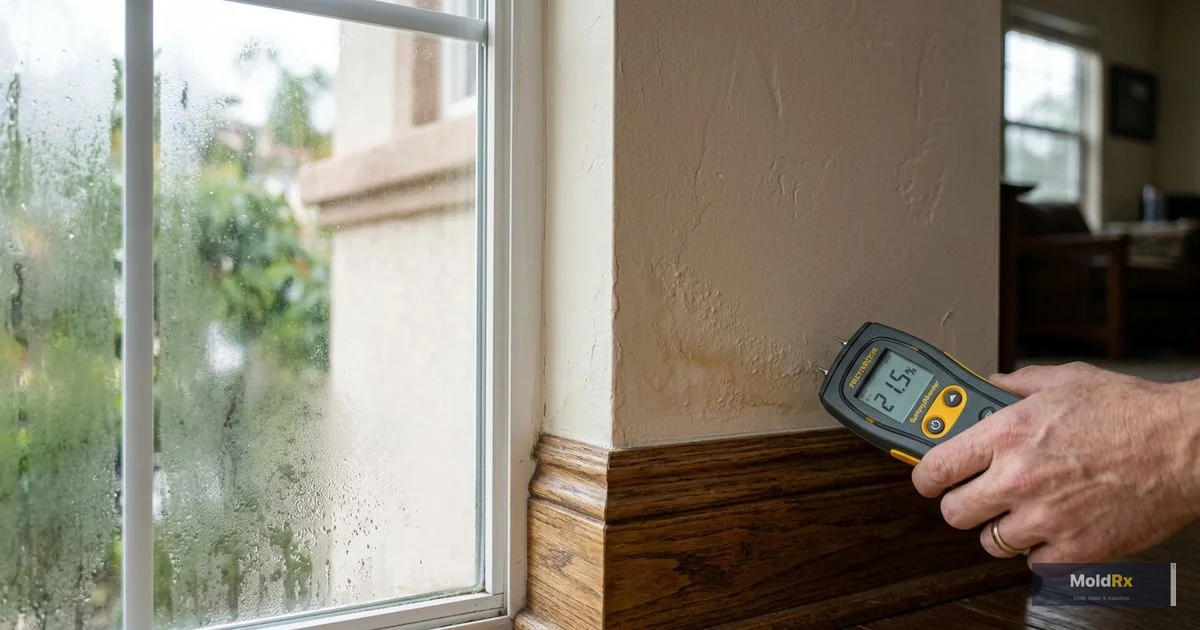
Mold Testing for Landlords: California Requirements and Best Practices
California doesn't mandate routine mold testing for landlords — but testing after tenant complaints, water events, or between tenancies protects you legally and financially. Here's when testing is required versus recommended, how to respond to tenant complaints with professional testing, what to do with results, and how proper documentation shields you from liability.
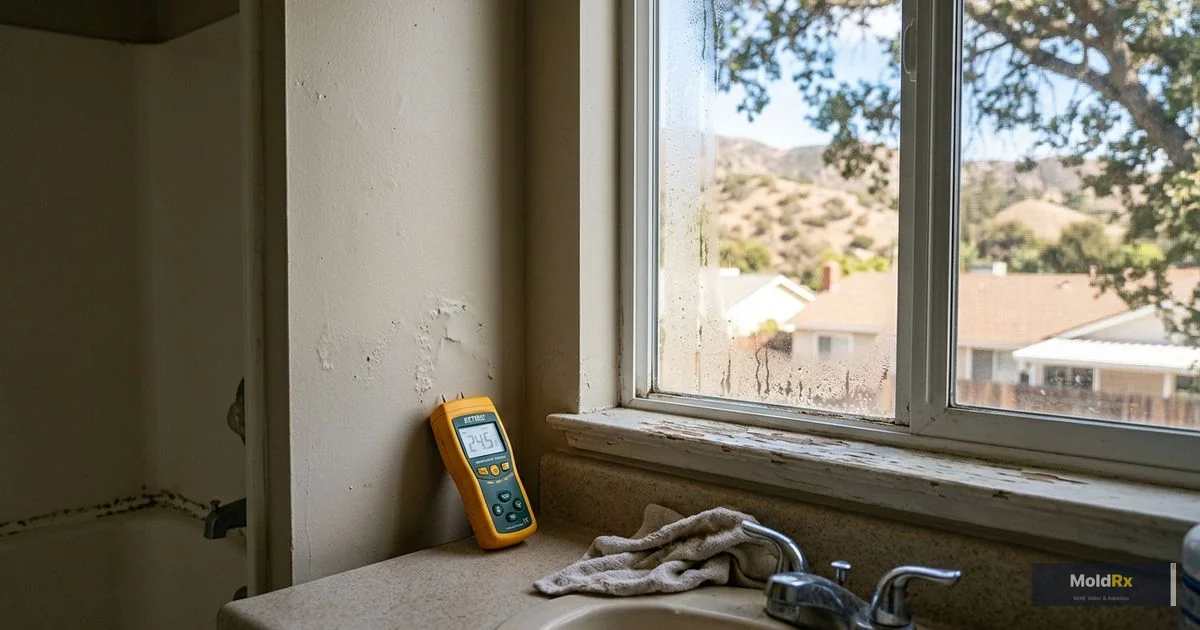
Mold Testing for Commercial Buildings: Requirements and Process
Commercial mold testing follows the same science as residential but adds complexity — larger HVAC systems, multiple zones, tenant notification, regulatory compliance, and liability documentation. Here's what building owners, facility managers, and commercial tenants need to know about when testing is required, how the process works in multi-zone commercial environments, Cal/OSHA workplace requirements, and how to maintain business continuity throughout the process.
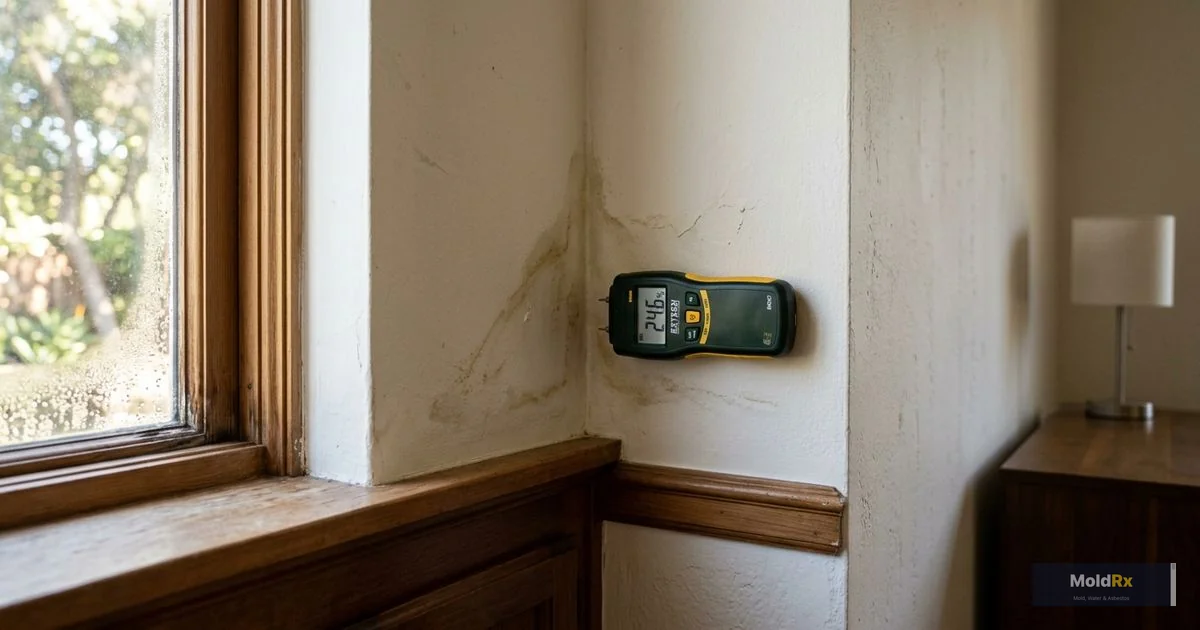
Mold Testing After Water Damage: When to Test and What to Expect
Test for mold after water damage if materials weren't dried within 48 hours, if hidden cavities were wet, or if you smell something musty -- but testing during active drying is unreliable. Timing matters: too early gives you meaningless results, too late means damage spreads. Here's when to test, what each type of water event calls for, and what the results actually tell you.