Mold Removal in Chino Hills, CA — MoldRx
IICRC-Certified Mold Removal Professionals Serving Chino Hills and Western San Bernardino County
Mold in a Chino Hills home catches homeowners off guard. You're in one of the Inland Empire's most desirable family communities — hilltop views, master-planned neighborhoods, top-rated schools — and the last thing you expect is dark growth behind your bathroom vanity or a musty smell in the downstairs guest room. But Chino Hills' hilly terrain, aging 1980s-to-2000s housing stock, and a climate that swings between marine-layer moisture and bone-dry Santa Ana winds quietly feed mold behind drywall, under cabinets, and inside HVAC ductwork. MoldRx only sends vetted, IICRC-certified mold removal professionals who follow IICRC S520/R520 remediation standards and EPA federal mold guidance — specialists who work Chino Hills and western San Bernardino County every week.
Request your free estimate — we'll assess your property and give you straight answers.
Why Mold Grows in Chino Hills Homes
Chino Hills sits at roughly 860 feet elevation on the western edge of San Bernardino County, bordering Orange, Los Angeles, and Riverside counties. Terrain ranges from 430 feet in the valleys to 1,781 feet at San Juan Hill — giving the city its rolling topography and the hillside lots that define its neighborhoods. With approximately 78,000 residents and 28,000 housing units, Chino Hills incorporated in 1991 and grew through master-planned developments built between the mid-1980s and early 2000s. The median construction year is 1990, meaning the typical home is now 36 years old — squarely in the range where plumbing fittings fail, HVAC systems lose efficiency, and moisture barriers degrade.
Hillside Drainage, Retaining Walls, and Foundation Moisture
The terrain that gives Chino Hills its views creates drainage challenges flat-ground communities never face. Properties in Vellano, The Trails, and Rolling Ridge sit on graded hillside lots where retaining walls and engineered drainage channels direct water away from foundations. When those systems age — weep holes clog, French drains fill with root intrusion, retaining wall mortar cracks — water follows gravity toward the lowest point: your foundation. The city's 12 to 15 inches of annual rainfall concentrates into five months (November through March), overwhelming drainage systems that may have been marginal when installed 30 years ago. That water saturates soil against foundation walls and migrates inward through hairline cracks in slabs and stem walls. Per IICRC S520 guidelines and the EPA's Mold Remediation in Schools and Commercial Buildings (EPA 402-K-01-001), mold colonizes within 24 to 48 hours once conditions are right.
Marine Layer and Coastal Moisture Influence
Despite sitting 30 miles inland, Chino Hills receives more marine-layer influence than most Inland Empire communities. The city's western exposure and the low-lying gap through Carbon Canyon and Brea Canyon create a corridor for moist ocean air to push inland during late spring and early summer — "May Gray" and "June Gloom." This marine layer brings morning humidity above 60%, coating exterior surfaces in condensation that migrates through window frames, stucco cracks, and roofline gaps. By afternoon, temperatures climb into the 80s and 90s, drying the exterior while interior moisture stays trapped. That daily wet-dry cycle is exactly what mold needs. The WHO Guidelines for Indoor Air Quality: Dampness and Mould identifies cyclical moisture exposure as a primary driver of indoor fungal growth.
Santa Ana Winds — Rapid Humidity Swings
Santa Ana winds blow through the passes east of Chino Hills multiple times between October and March, pushing hot, dry desert air across San Bernardino County. Relative humidity drops to single digits for days — then rebounds sharply when the winds die. That sudden humidity swing creates condensation throughout the home, particularly on exterior walls, single-pane windows, and metal plumbing. Santa Ana conditions also loosen roof flashing, crack stucco seals, and open gaps around window frames. Those envelope breaches persist long after the wind event, creating new moisture entry points for every subsequent rain or marine-layer morning.
Aging 1980s-2000s Construction
Chino Hills' housing stock is remarkably uniform in age. Master-planned communities like Butterfield Ranch, Los Serranos, The Trails, and Rolling Ridge went up during the late 1980s through early 2000s using materials standard to that era: polybutylene or early CPVC plumbing, single-ply roofing, builder-grade window seals, and minimum-code insulation. Homes built 1985-1995 are now 31 to 41 years old — plumbing fittings failing, water heaters replaced at least once (often with imperfect connections), and bathroom exhaust fans deteriorating. Even Vellano's luxury homes from the mid-2000s are approaching 20 years — the point where caulking, flashing, and weatherproofing reach end of service life.
Signs You Need Professional Mold Removal
Not every dark spot requires a remediation crew. But certain signs indicate the problem has moved beyond DIY.
Visible Growth Beyond a Small Area
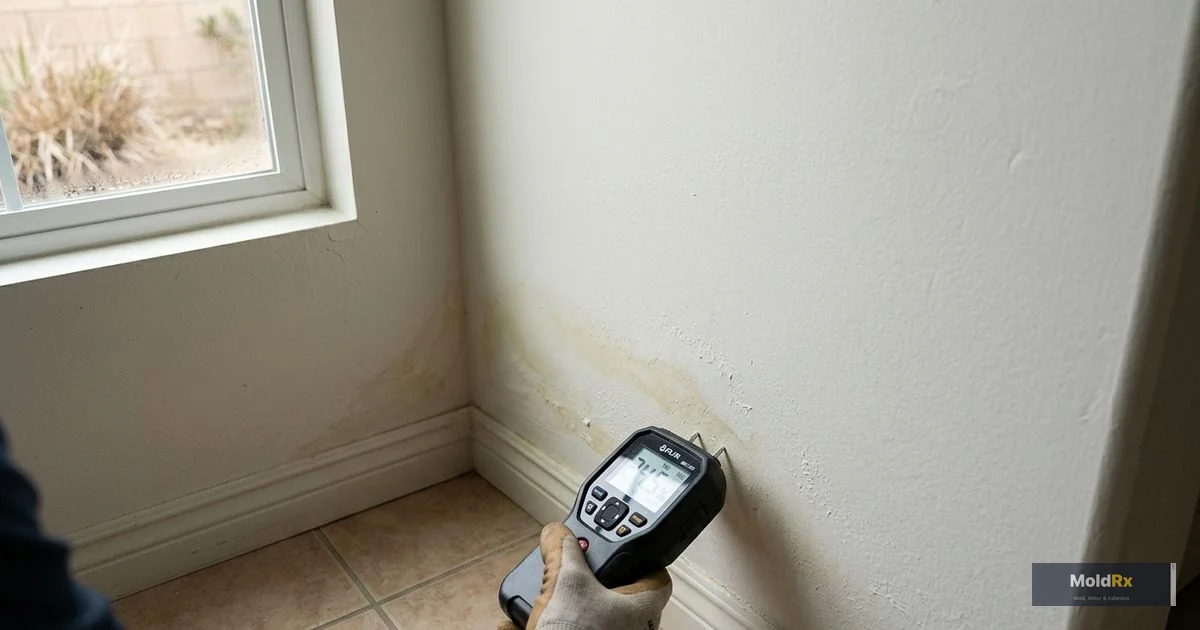
The EPA's Mold Remediation in Schools and Commercial Buildings (EPA 402-K-01-001) uses 10 square feet as a threshold — contamination exceeding that size warrants professional remediation. In Chino Hills homes, visible growth commonly appears along baseboards on the downhill side of hillside lots, inside bathroom cabinets, around HVAC registers, on ceiling drywall below attic spaces, and in garages where slab moisture meets stored materials.
Persistent Musty Odor Without Visible Mold
If the smell returns after cleaning, mold is growing in a concealed space — behind drywall, under flooring, inside wall cavities, or within HVAC ductwork. Chino Hills homes on graded hillside lots are prone to foundation-level moisture that feeds hidden mold beneath finished floors. A professional inspection with moisture mapping locates the source without unnecessary demolition.
Recurring Mold After Previous Cleanup
Mold that keeps returning means the moisture source was never resolved. Surface cleaning kills what's visible but does nothing about the colony behind the surface or the water feeding it. If you've cleaned the same area more than once, the underlying condition needs professional diagnosis.
Water Damage History
Any previous water event — retaining wall failure, hillside drainage overflow, a failed water heater, or slow condensation — can leave residual moisture that supports mold for months. If your property experienced water intrusion and was not professionally dried within the 24-to-48-hour window identified by IICRC S520, a mold assessment is warranted.
Health Symptoms That Worsen Indoors
Nasal congestion, eye irritation, persistent cough, or worsening asthma that improves when you leave may indicate airborne mold exposure. The CDC notes that mold causes respiratory symptoms in healthy individuals and more severe reactions in people with existing conditions. Combined with any of the signs above, these symptoms justify a professional evaluation.
Health Risks of Mold Exposure
Mold exposure is a legitimate health concern backed by federal agency guidance. According to the EPA, inhaling or touching mold spores can cause allergic reactions including sneezing, runny nose, red eyes, and skin rash. The CDC identifies additional respiratory effects including coughing, wheezing, and throat irritation. The World Health Organization's Guidelines for Indoor Air Quality: Dampness and Mould links prolonged exposure to respiratory infections, asthma development in children, and exacerbation of existing respiratory disease.
Populations at higher risk include children (the WHO identifies developing respiratory systems as especially vulnerable), individuals with asthma or allergies (mold is a known trigger per the CDC), elderly residents (13.8% of Chino Hills' population is 65+), and immunocompromised individuals who face elevated risk of fungal infections.
When DIY Mold Removal Isn't Enough
For small surface mold on non-porous materials, the EPA allows homeowner cleanup with proper protective equipment. But these conditions require professional intervention:
- Contamination exceeding 10 square feet — EPA 402-K-01-001 recommends professional remediation at this threshold
- Mold inside HVAC systems or ductwork — Central air circulates spores throughout the house. NADCA (National Air Duct Cleaners Association) standards apply
- Structural involvement — Mold behind drywall, under subfloor, or inside wall cavities requires controlled demolition, containment, and HEPA filtration
- Toxic species suspected — Species like Stachybotrys chartarum produce mycotoxins requiring IICRC S520-compliant procedures and proper PPE
- Water category 2 or 3 involvement — Sewage, gray water, or contaminated flooding per IICRC S500 requires protocols addressing both biological and water contamination
- Insurance or real estate documentation needed — Professional remediation generates the records insurers, lenders, and buyers require
A professional assessment tells you whether the situation warrants full remediation or simpler cleanup. That assessment is part of our free estimate.
How We Remove Mold in Chino Hills Properties
Every remediation follows a structured process built on IICRC S520 standards and the companion ANSI/IICRC R520 Reference Guide — the industry benchmarks recognized by insurers, public health agencies, and courts. Our professionals also adhere to Cal/OSHA Title 8 regulations for worker and occupant safety.
1. Inspection and Moisture Mapping
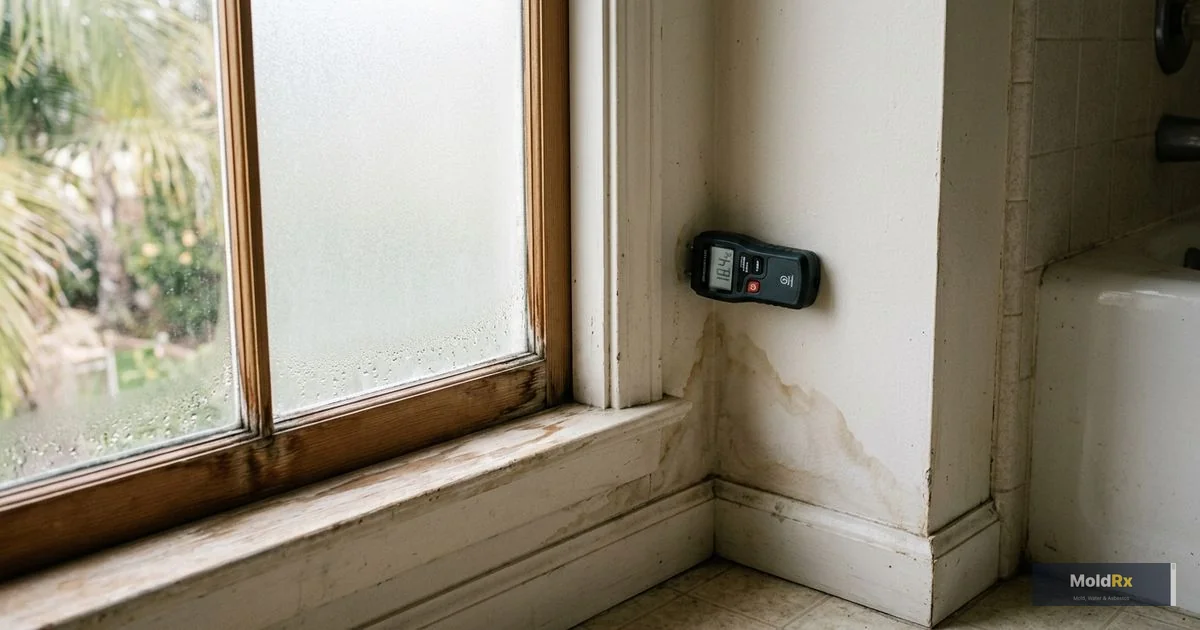
Our specialists map the full scope following EPA 402-K-01-001 assessment protocols. In Chino Hills homes, that means checking HVAC ductwork, inspecting hillside-side foundation walls for moisture intrusion through retaining wall failures, examining wall cavities where marine-layer condensation accumulates, and evaluating slab moisture on graded slopes where drainage directs water toward foundations. You'll know exactly what we're dealing with before work begins.
2. Containment
Physical barriers and negative air pressure isolate the affected area per IICRC S520 Condition 2 and Condition 3 containment protocols. HEPA air scrubbers run continuously to capture airborne spores down to 0.3 microns, preventing cross-contamination to unaffected rooms. The CDC, EPA, and the WHO Guidelines for Indoor Air Quality: Dampness and Mould all identify children as more vulnerable to mold-related respiratory effects — making containment especially important in family homes.
3. Removal and Treatment
Mold-damaged materials are removed following IICRC S520 procedures and Cal/OSHA permissible exposure limits under Title 8 §5155. Remaining structural surfaces are treated with EPA-registered antimicrobial solutions that eliminate residual spores and inhibit regrowth.
4. Moisture Correction
Removing mold without fixing the water source guarantees recurrence. Our specialists resolve the underlying cause — failed retaining wall drainage, inadequate exhaust, hillside grading directing water against your foundation, or marine-layer condensation penetrating an aging building envelope.
5. Post-Remediation Verification
Affected areas are checked against IICRC S520 Condition 1 (normal fungal ecology) clearance standards. You receive documentation of everything performed — scope of work, materials removed, treatments applied, moisture readings, and verification results. This documentation meets the standards insurers and real estate professionals require.
Mold Removal vs. Mold Remediation: What's the Difference?
The terms get used interchangeably, but they describe different scopes.
Mold removal is the hands-on work: cutting out contaminated drywall, HEPA-vacuuming surfaces, applying antimicrobial treatments. It addresses the mold that's already there.
Mold remediation is the broader process defined by IICRC S520: assessment, containment, removal, moisture correction, and post-remediation verification. Remediation addresses both the mold and the conditions that caused it, resolving the underlying moisture problem and verifying conditions have returned to Condition 1 (normal fungal ecology).
MoldRx professionals perform full remediation on every Chino Hills job — retaining wall drainage evaluated, hillside grading assessed, condensation source identified. The mold is gone and the reason it grew is resolved.
Preventing Mold After Remediation
Once remediation is complete, the right maintenance keeps mold from returning. These prevention measures are calibrated for Chino Hills' hillside terrain and western San Bernardino County climate:
Control Indoor Humidity
The EPA recommends maintaining indoor humidity between 30% and 50%. Chino Hills' marine-layer influence pushes outdoor humidity above 60% during mornings, especially May through July. Use a hygrometer to monitor conditions. Run bathroom exhaust fans during and for 30 minutes after showers. In closets against exterior walls, master bathrooms, and laundry rooms, a dehumidifier may be necessary during high-humidity periods.
Maintain Hillside Drainage Systems
The single most important prevention measure for Chino Hills properties. Inspect retaining wall weep holes annually and clear blockages. Flush French drains to confirm flow. Ensure surface grading directs water away from your foundation. After heavy winter rains, walk your downhill foundation walls and check for standing water, saturated soil, or new cracks. Properties in The Trails, Vellano, Rolling Ridge, and upper Los Serranos should treat drainage maintenance as seriously as roof maintenance.
Address Condensation Zones
Summer highs reaching 91°F and winter lows in the low 40s create condensation on exterior walls, single-pane windows, metal pipes, and poorly insulated attic spaces. Upgrade to double-pane windows, improve attic insulation, and wrap cold water pipes. Pay particular attention to north-facing walls and rooms built into hillsides, which stay cooler and trap moisture longer.
Fix Water Intrusion Promptly
Roof leaks, plumbing drips, water heater failures, and retaining wall seepage should be addressed within 24 to 48 hours — the IICRC S520 window before mold colonization begins.
Schedule Periodic Inspections
For properties with previous mold history, an annual moisture inspection catches developing problems before they become full projects. Especially valuable for homes with aging plumbing, hillside lots with retaining walls, and any property where foundation moisture has been documented.
What Sets MoldRx Apart
-
Straight talk, not sales talk. If your mold situation is smaller than you feared, we'll tell you. If it's more involved, you'll hear that too. We don't manufacture problems to inflate a job.
-
Licensed, insured, IICRC-certified. Our vetted professionals hold IICRC certifications, carry California contractor licensing through the CSLB (Contractors State License Board), and maintain insurance required for remediation in San Bernardino County. They have the field experience to handle Chino Hills' specific challenges — hillside drainage failures, marine-layer condensation, aging master-planned housing stock.
-
Full documentation on every job. Detailed records of the work completed, materials removed, treatments applied, and moisture readings. This protects you with insurance, in real estate transactions, and for your own peace of mind.
-
Family-owned accountability. MoldRx is not a call center routing you to whoever's available. We only send vetted remediation professionals we stand behind.
Get your free estimate — no obligations, no pressure. Just a clear picture of your situation.
Chino Hills Neighborhoods We Serve
MoldRx provides mold removal across every neighborhood in Chino Hills — ZIP code 91709 — including residential, commercial, and multi-family properties.
-
Los Serranos — One of Chino Hills' oldest neighborhoods, dating to the 1920s around Los Serranos Country Club. Homes from the 1970s and 1980s have aging plumbing, original HVAC systems, and window seals past their service life. Mature landscaping can direct subsurface moisture toward foundations.
-
Butterfield Ranch — Family-friendly area south of Los Serranos with walking trails and greenbelts connecting to Chino Hills State Park. Homes are late 1980s to 1990s — 30 to 40 years old with builder-grade materials in their failure window. Proximity to the park's canyon vegetation brings higher humidity during marine-layer mornings.
-
The Trails — Popular master-planned subdivision with 1990s homes on spacious lots near the city's extensive trail system. Hillside lots with retaining walls are common, and graded slopes direct rainwater toward downhill foundations when drainage systems age or clog.
-
Vellano — Exclusive gated community around a Greg Norman golf course with homes exceeding $2 million. Built mid-2000s, these properties are approaching 20 years — even premium materials now showing moisture issues. Higher-elevation lots face greater Santa Ana exposure, and the hillside setting creates significant drainage requirements.
-
Rolling Ridge — Master-planned subdivision with 1990s homes and community amenities. Shares the typical Chino Hills profile: 30-plus-year-old construction on graded hillside lots with retaining walls. Bathroom remodels that skipped moisture barriers are a frequent remediation trigger.
-
Carbon Canyon — Along Carbon Canyon Road (Highway 142) at Chino Hills' western edge, bordering Brea and the State Park. The canyon brings higher humidity, dense vegetation, and reduced airflow. Homes adjacent to the park's 14,100 acres experience elevated moisture from surrounding oak woodland and seasonal creek flow.
-
Woodview — Established community with single-family and patio homes from the late 1980s and 1990s. These 30-to-40-year-old properties are where plumbing fails at fittings, roof membranes exceed service life, and minimum-code insulation allows condensation in wall cavities.
Nearby Communities We Also Serve
Our vetted professionals also cover surrounding communities with full CSLB licensing and IICRC credentials:
- Chino — Adjacent to the north with flat, former-dairyland terrain and shared Inland Empire climate conditions
- Ontario — Northern neighbor with similar housing vintage and comparable mold vectors
- Yorba Linda — Orange County community sharing Carbon Canyon corridor moisture patterns and similar construction era
- Diamond Bar — LA County community to the west with comparable hillside terrain and marine-layer exposure
Related Services in Chino Hills
Mold rarely exists in isolation. If you're dealing with water damage, need testing before remediation, or own a pre-1980s property that may contain asbestos, we cover those too:
→ All remediation services in Chino Hills
Frequently Asked Questions
How long does mold remediation take in Chino Hills?
Most projects take 2 to 5 days. A single-room bathroom issue may wrap in a day. Multi-room remediation involving hillside foundation moisture or HVAC contamination can take a week or longer. We'll give you a realistic timeline after assessment.
Do I need mold testing before removal starts?
If mold is visible, testing isn't always required — the priority is removal and moisture correction. Testing becomes valuable when you suspect hidden mold, need insurance documentation, or are in a real estate transaction.
Will my homeowner's insurance cover mold removal?
It depends on the cause. Mold from a sudden covered event — burst pipe, retaining wall failure during a storm — is often covered. Mold from long-term deferred maintenance typically is not. Our documentation supports legitimate claims with clear evidence of cause, scope, and remediation performed.
Can I stay home during remediation?
Usually, yes. Proper containment and HEPA filtration keep spores isolated from living areas. For larger projects, or if anyone has asthma or respiratory sensitivities, we may recommend staying elsewhere during intensive removal phases.
Is mold common in newer Chino Hills homes?
Yes. Homes built in the 1990s and 2000s — the majority of Chino Hills housing — use builder-grade materials that degrade faster than premium alternatives. These homes sit on graded hillside lots where drainage systems age and retaining walls develop moisture pathways. We regularly remediate homes less than 25 years old.
How do I know if I have mold behind my walls?
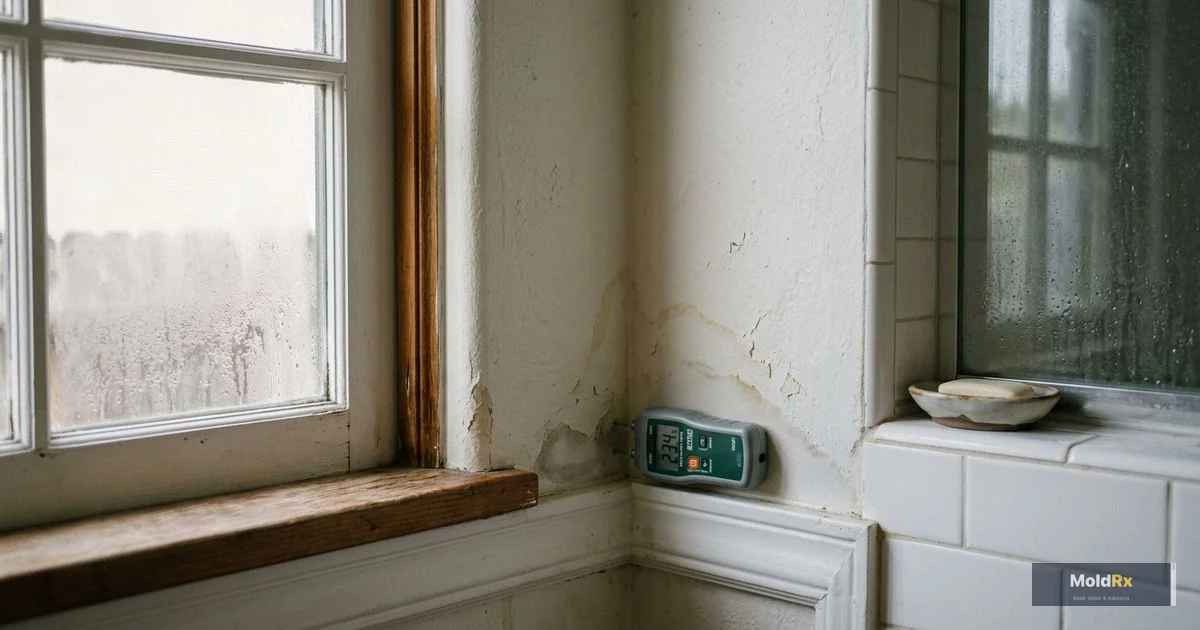
Persistent musty smell, water staining on walls or ceilings, peeling paint, and worsening indoor allergy symptoms are common indicators. In Chino Hills, check baseboards on the downhill side of your foundation, bathrooms without adequate exhaust fans, and anywhere plumbing runs through walls. Professional moisture mapping confirms what's there without unnecessary demolition.
What's the difference between mold removal and mold remediation?
Mold removal is the physical elimination of growth. Remediation is the complete IICRC S520 process — assessment, containment, removal, moisture correction, and verification. MoldRx professionals perform full remediation on every job so the problem doesn't recur.
Is black mold more dangerous than other types?
Stachybotrys chartarum produces mycotoxins that can cause more severe effects than common mold species. However, the CDC advises that all mold should be treated the same from a remediation standpoint — IICRC S520 protocols don't change based on species. Color alone doesn't identify type; lab testing is required. Regardless of species, mold exceeding 10 square feet warrants professional remediation.
Does hillside drainage really affect mold risk in Chino Hills?
It does. Most Chino Hills properties sit on graded lots with retaining walls and engineered drainage. When those systems age — weep holes clog, French drains fill with sediment, surface grading shifts from settling — rainwater saturates soil against your foundation instead of flowing away. That moisture migrates through concrete into wall cavities where it feeds hidden mold colonies. It's a factor we encounter regularly, particularly in The Trails, Vellano, Rolling Ridge, and upper Los Serranos.
How do I prepare my home for mold remediation?
Our professionals will provide specific preparation instructions, but general steps include: clearing personal items from the affected area, ensuring access paths for equipment, securing pets away from the work zone, and identifying sentimental items that may need specialized cleaning. Don't do any mold cleanup yourself before we arrive — that can spread spores further.
Get Mold Removal in Chino Hills
Mold spreads. The longer moisture stays unchecked — seeping through a failing retaining wall, condensing from marine-layer humidity, or rising through a slab after winter rains overwhelm aging hillside drainage — the further contamination reaches into your home's structure and your family's air quality.
MoldRx only sends vetted remediation professionals who understand Chino Hills properties — the hillside drainage challenges in The Trails and Rolling Ridge, the marine-layer condensation in Carbon Canyon, the builder-grade failures across Butterfield Ranch and Los Serranos. No guesswork. No runaround.
Call MoldRx for your free estimate — (888) 609-8907. Clear answers. Honest guidance. Work done right.