Most water damage and mold growth in homes is entirely preventable. The majority of remediation projects we see at MoldRx trace back to maintenance items that were missed or postponed — a washing machine hose that hadn't been checked in five years, a clogged condensate drain line, gutters that overflowed during the first storm of the season.
The pattern is consistent: a small, fixable condition goes unnoticed, moisture accumulates in a hidden space, and within 24 to 48 hours mold begins colonizing building materials. What could have been a minor repair becomes a major restoration project.
This checklist is organized by season so you can spread the work across the year. Each task includes what it prevents — because understanding the consequences makes it easier to prioritize. Print it, share it with your household, and revisit it quarterly.
How to Use This Checklist
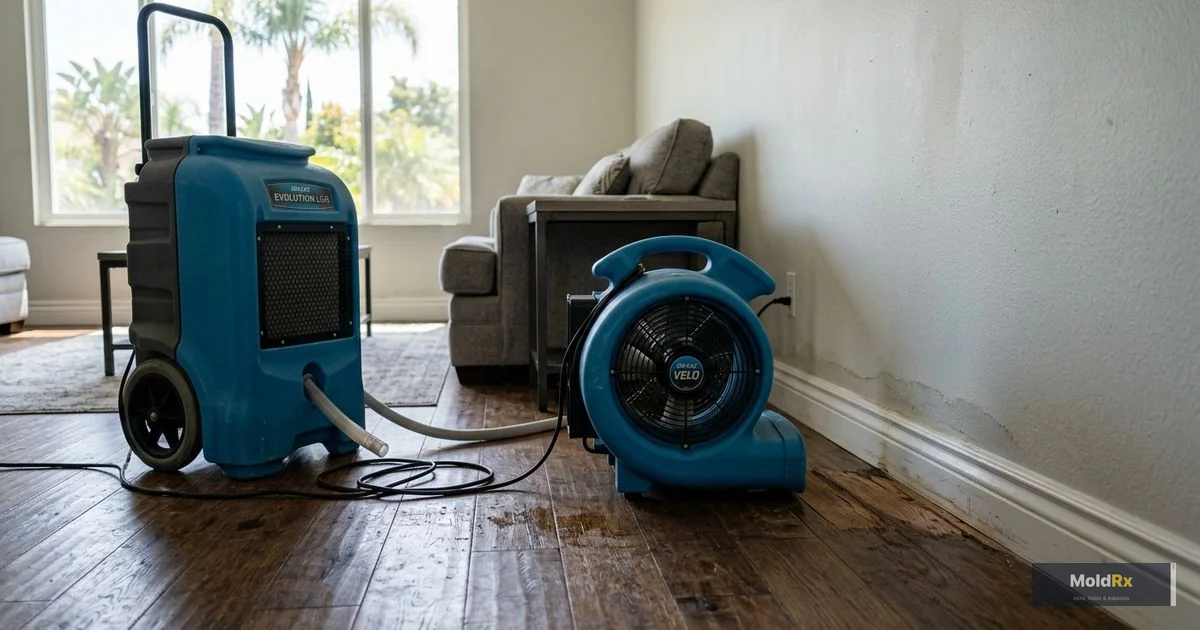
Tasks are organized into four seasonal blocks, a set of monthly quick-checks, and annual professional inspections worth considering. You don't need to complete every task on the first day of each season — spread them across the month.
If you've never done a systematic maintenance review, start with fall. That's when you're preparing for rainy season, and the stakes for deferred maintenance are highest.
If your home has had previous water damage or mold remediation, pay extra attention to the areas that were affected. Recurrence happens when the underlying moisture source wasn't fully resolved. Our guide on why mold keeps coming back covers this in detail.
Spring Checklist (March - May)
The rains are ending, temperatures are climbing, and your HVAC is shifting from heating to cooling. Assess what winter did to your home and prepare for summer.
Roof and Attic
- Inspect the roof for winter storm damage. Look for cracked, displaced, or missing shingles or tiles. Check flashing around chimneys, vents, skylights, and wall-to-roof transitions. Minor damage that survived rainy season will worsen over summer's UV exposure.
- Check the attic for moisture intrusion. Look at the underside of roof sheathing for water stains or dark spots, especially around penetration points. Stains that weren't there in fall mean water entered during the rainy season.
- Verify attic ventilation is unobstructed. Confirm soffit vents aren't blocked by insulation, debris, or paint. Balanced ventilation prevents moisture buildup as temperatures rise.
Prevents: Undetected roof damage worsening through summer and failing catastrophically next rainy season. Attic moisture that supports mold growth on sheathing and framing.
Plumbing
- Check all visible supply lines and connections. Inspect under every sink, behind every toilet, and around the water heater for drips, corrosion, or moisture. Catching a slow leak now prevents the kind of hidden water damage that ruins subfloors and wall cavities.
- Inspect washing machine hoses. Look for bulging, cracking, or stiffness. Replace rubber hoses older than five years with braided stainless steel. See our guide on appliance-related water damage for more.
- Test the water heater pressure relief valve. Lift the lever briefly and verify water discharges, then reseats. Note the water heater's age — most tank heaters last 8 to 12 years.
- Flush the water heater to remove sediment. Drain a few gallons from the valve at the base to remove accumulated sediment and slow tank corrosion.
Prevents: Burst washing machine hoses releasing hundreds of gallons. Corroded water heater tanks dumping 40 to 80 gallons. Both saturate subfloors, wall cavities, and adjacent rooms.
HVAC System
- Replace the air filter. A clogged filter restricts airflow, causing the evaporator coil to overcool and produce excess condensation. Plan to replace every 30 to 60 days during peak summer use.
- Clear the condensate drain line. Flush with distilled white vinegar or dilute bleach. Verify water flows freely from the exterior drain termination point.
- Inspect the drain pan. Standing water under the evaporator coil means a blocked drain — and an active mold incubator.
- Schedule professional HVAC maintenance. Have the evaporator coil cleaned, refrigerant checked, and the system inspected before it runs full-time for six months.
Prevents: Mold inside the air handler and ductwork. When mold grows inside HVAC, it distributes spores to every room every time the system runs.
Exterior
- Inspect stucco or siding for new cracks. Seal promptly with elastomeric caulk, especially around windows, doors, and material transitions.
- Check all exterior caulking. Re-caulk any window frames, door frames, or penetrations where caulk is cracked, separated, or missing.
- Audit the irrigation system. Confirm no sprinkler heads spray the house. Drip irrigation should be at least 18 inches from the foundation.
Prevents: Water entering wall cavities through cracks and failed caulking — one of the most common sources of hidden mold. Trapped cavity moisture doesn't dry; it feeds mold growth until damage becomes visible on interior surfaces.
Summer Checklist (June - August)
Sustained heat, heavy HVAC use, and — in Southern California — elevated coastal humidity. Your cooling system works hardest now.
HVAC and Indoor Air Quality
- Replace the air filter monthly. In dusty inland areas, filters load faster. Check mid-month if unsure.
- Monitor the condensate drain line weekly. If water isn't dripping from the exterior termination when the system runs, the line may be clogging.
- Check visible ductwork in the attic or crawl space. Look for disconnected joints, crushed flex duct, or condensation on duct surfaces.
- Monitor indoor humidity. A digital hygrometer (under $15) lets you track relative humidity. Keep it between 30% and 50%. Readings consistently above 60% warrant investigation.
Prevents: HVAC systems running 12+ hours daily generating condensation that overflows into surrounding materials and creates mold in one of the worst possible locations — the system that circulates air to every room.
Appliances
- Inspect the dishwasher door gasket and connections. Check for leaks at the base during a cycle. Pull the kick plate and look for moisture underneath.
- Check the refrigerator water line. Pull the fridge out and inspect the supply line for kinks, corrosion, or dampness at connections.
- Inspect the washing machine drain hose and standpipe. Ensure the drain hose is secured and the standpipe shows no overflow residue.
Prevents: Slow appliance leaks that saturate flooring and cabinetry for weeks before anyone notices, allowing mold to colonize the wet materials.
Foundation and Crawl Space
- Check for slab moisture. Look for moisture at the surface, discolored grout, or loosened tiles — signs of moisture migrating through the slab.
- Inspect the crawl space vapor barrier. Check for tears or displacement. A compromised barrier lets ground moisture reach framing and subfloor.
- Check crawl space ventilation. Foundation vents should be clear. In coastal areas, monitor conditions closely — some homes perform better with sealed crawl spaces and mechanical dehumidification.
Prevents: Ground moisture migrating upward into crawl spaces, creating persistent dampness that feeds mold growth on subfloors and floor joists for months before producing visible signs.
Fall Checklist (September - November)
The most important maintenance season. You're preparing for rainy season, and every task completed now is one fewer vulnerability when storms arrive.
Roof and Gutters
- Clean gutters and downspouts thoroughly. Remove all debris and flush with a hose. Downspouts should discharge at least four to six feet from the foundation.
- Inspect the roof. Check for damaged, missing, or lifted shingles or tiles. Inspect all flashing. A roof repair in October costs a fraction of the water damage it prevents in January.
- Check for daylight in the attic around penetrations. If light comes through, water can enter the same gaps. Seal with roofing sealant or flashing.
Prevents: Clogged gutters overflowing against the foundation and fascia. A single missing tile letting enough water into the attic to saturate insulation and sheathing.
Exterior Envelope
- Re-caulk around all windows and doors. Don't just inspect — proactively re-caulk any joints showing wear. These are the most common entry points for wind-driven rain.
- Seal any stucco cracks. Focus on south- and west-facing walls, corners, and material transitions.
- Check weep screeds. Maintain at least two inches of clearance. Landscaping covering the weep screed traps moisture inside the wall cavity.
- Trim vegetation at least 12 inches from the house. Plants against walls hold moisture and block air circulation.
Prevents: Water intrusion through the building envelope into wall cavities where it doesn't dry and mold colonizes long before damage becomes visible.
Drainage and Grading
- Verify grading slopes away from the foundation. Minimum six inches of drop over the first ten feet. Flat or negative grading channels rainwater toward the foundation.
- Clear French drains, area drains, and catch basins. Remove debris and verify flow.
- Redirect irrigation away from the structure. Heads shift over time — a head that was fine in spring may now be spraying the house.
Prevents: Foundation moisture problems from pooling water entering through slab or foundation wall cracks.
Plumbing Pre-Winter Check
- Re-inspect all supply line connections. The same check you did in spring, repeated before the season when plumbing failures are most disruptive.
- Check the water heater for deterioration. Rust, moisture on the tank, or corrosion on fittings. If the unit is over 10 years old, plan for replacement.
- Test all shut-off valves. Verify the main shut-off and individual shut-offs under sinks and behind toilets all function. A valve that won't close is useless in an emergency.
Prevents: Catastrophic flooding from a pipe failure when you can't stop the water supply quickly.
Winter Checklist (December - February)
Monitoring season. The fall preparations are being tested by actual weather. Focus on storm-response inspection and indoor moisture management.
Storm Response
- Walk the exterior after every significant rain. Look for standing water against the foundation, gutter overflow evidence, or water pooling in unexpected areas.
- Check the attic after heavy rain. Look for fresh water stains or moisture on the underside of sheathing.
- Inspect interior ceilings and walls. New stains, bubbling paint, or damp spots after a storm indicate active intrusion. Investigate immediately.
- Check windows and door thresholds. Moisture on the interior side means weatherproofing has failed.
- Monitor for musty odors in the days following storms. A musty smell developing two to five days after rain means water is in a space where it isn't drying.
Prevents: Undetected water intrusion giving mold the 24 to 48 hours of sustained moisture it needs to establish. Quick detection and drying are the most effective mold prevention tools during rainy season.
Ventilation and Indoor Moisture
- Run exhaust fans during every shower and for at least 30 minutes after. Cooler wall surfaces promote condensation, and homes are typically closed up with less ventilation in winter.
- Verify all exhaust fans vent to the exterior. Fans terminating in the attic dump warm, humid air directly into the space — one of the most common causes of attic mold.
- Monitor indoor humidity. If readings consistently exceed 60%, increase ventilation or run a dehumidifier.
Prevents: Indoor moisture condensing on cool surfaces and creating localized mold growth on window frames, exterior walls, and closet corners.
Garage
- Check the garage floor for standing water or efflorescence after rain. White mineral deposits indicate moisture migrating through concrete.
- Inspect the water heater base. Winter is when water heaters work hardest.
- Verify the garage door weather seal is intact.
Prevents: Garage water intrusion migrating through shared walls into adjacent living spaces.
Monthly Quick-Checks (Year-Round)
Five to ten minutes, first weekend of every month.
- Check under every sink. Open cabinets, look at the bottom panel, feel for dampness. This is the single highest-value monthly check.
- Check around toilets. Moisture at the base or soft flooring means a leaking wax ring.
- Glance at the water heater. Rust, moisture, or any change from the prior month.
- Check the HVAC condensate line (cooling season). Verify active drainage.
- Monitor your water bill. An unexplained increase — even a small one — can indicate a hidden leak.
Annual Professional Inspections
HVAC service. Evaporator coil cleaning, refrigerant check, drain system inspection. Schedule in spring.
Roof inspection. A professional identifies cracked tiles, deteriorating flashing, and underlayment failures invisible from the ground. Especially valuable for roofs over 15 years old.
Plumbing inspection. Camera inspection of drain lines for buildup, root intrusion, or pipe deterioration. Worthwhile for older homes with cast iron or galvanized drain lines.
Mold inspection. If you've had previous mold issues or experience recurring musty odors, a professional mold inspection provides air sampling, moisture mapping, and assessment beyond what homeowner inspection can catch.
Frequently Asked Questions
How long does it take to work through the full seasonal checklist?
Most homeowners complete a seasonal block in two to four hours, spread across a weekend or two. The monthly quick-checks take five to ten minutes. The total annual investment is roughly 15 to 20 hours — a fraction of what even a minor water damage event costs in time, stress, and money.
I rent my home. Which tasks are my responsibility?
Generally, tenants are responsible for reporting problems promptly — under-sink leaks, running toilets, musty odors, moisture on walls. Structural maintenance like roof repair and HVAC service typically falls to the landlord. The monthly quick-checks are valuable for any occupant because early detection protects both you and the property.
My home is brand new. Do I still need all of this?
Yes. Construction defects, improperly sealed penetrations, and insufficient grading are common in new construction. Some of the worst mold cases we see involve homes under five years old where a defect created hidden moisture from day one.
What's the single most important task on this list?
Checking under sinks monthly. Supply line connections and drain fittings are the most common source of hidden water leaks, and the damage is entirely preventable with visual inspection.
How do I know if I already have hidden water damage?
Common signs include unexplained water bill increases, musty odors with no obvious source, wall or ceiling staining, bubbling paint, soft flooring, and warped baseboards. Our guide on spotting hidden water leaks covers every warning sign.
Should I buy a water leak detection system?
Smart leak detectors are genuinely useful and increasingly affordable. Place sensors near the water heater, under sinks, behind the washing machine, and near the dishwasher. Some connect to a smart shut-off valve that stops the supply automatically when a leak is detected.
What should I do if I find active water damage?
Stop the water source immediately. Remove standing water. Set up fans and dehumidifiers to begin drying. If the affected area is larger than a few square feet or involves wall cavities or hidden spaces, call a professional. Mold begins growing within 24 to 48 hours, so speed matters.
Does homeowner's insurance cover water damage from maintenance failures?
Generally, no. Most policies cover sudden and accidental water damage but exclude damage from deferred maintenance, gradual leaks, or conditions that developed over time. Prevention is not just smart — it's financially necessary.
How does Southern California's climate affect this checklist?
The dry climate leads many homeowners to underestimate moisture risks. But concentrated rainfall, coastal humidity, stucco construction, and heavy HVAC use all create conditions for water damage and mold. Our mold prevention checklist for Southern California covers region-specific risks, and our guide on humidity control in SoCal homes explains local humidity patterns.
I've already had mold remediation. How do I prevent recurrence?
Follow this checklist with extra attention to the previously affected area. Understand the original cause — leak, condensation, humidity, or construction defect. If the root cause was fully addressed during remediation, ongoing maintenance should prevent recurrence. If you're unsure, a follow-up mold inspection provides clarity.
When Maintenance Isn't Enough
Even with diligent maintenance, some problems develop from conditions that aren't catchable through routine inspection — a pinhole leak inside a wall, a construction defect trapping moisture for years, or a slab leak that only manifests under certain conditions.
If you've found water damage, suspect hidden moisture, or discovered mold during your inspections, MoldRx provides water damage restoration and mold remediation throughout Southern California.
Request a free estimate or call (888) 609-8907 to discuss what you're seeing. Whether you need full restoration or just a professional opinion on a stain or odor, we'll give you an honest assessment — not a sales pitch.