Expert Tips & Insights
Asbestos
Family-Owned & Operated
Free Estimates
Emergency Response
Read our latest articles about asbestos services.
Read more →Loading blog posts...
Read our latest articles about asbestos services.
Read more →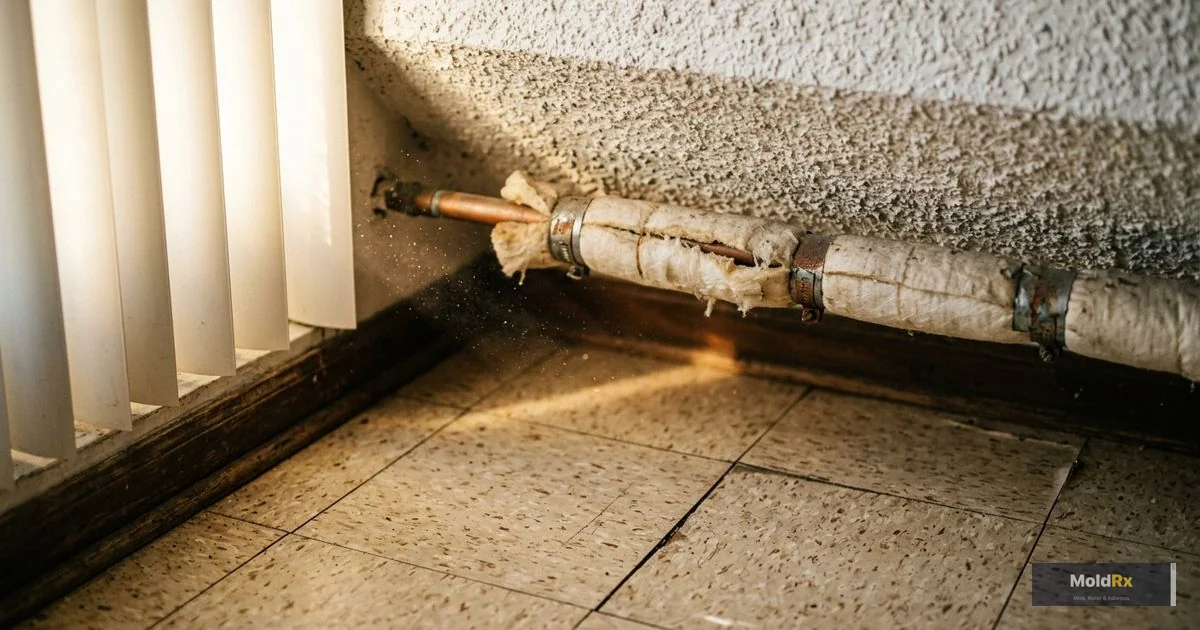
Test before you touch anything — California law requires it for pre-1980 structures. Here's a step-by-step safety checklist for homeowners planning a remodel: what to do before work starts, what happens if asbestos is found mid-project, which materials are most commonly disturbed by room and project type, and how to work with your general contractor to stay compliant, safe, and on schedule.
Professional asbestos removal follows a regulated, multi-step process involving surveys, containment, wet removal, HEPA filtration, manifested disposal, and independent clearance testing. Here's what actually happens at each stage so you know what to expect when abatement professionals arrive.
SCAQMD Rule 1403 requires a professional asbestos survey and proper removal of all asbestos-containing materials before any demolition or renovation in the South Coast Air Basin. Here's what property owners need to know about notification, survey, removal, disposal, record-keeping, and penalties — and how Rule 1403 works alongside Cal/OSHA and EPA NESHAP.
California requires an asbestos survey before renovation or demolition of pre-1980 structures. SCAQMD Rule 1403 and Cal/OSHA enforce this — and penalties for skipping the survey are severe. Here's when a survey is legally required, what it involves, and what happens if asbestos is found.
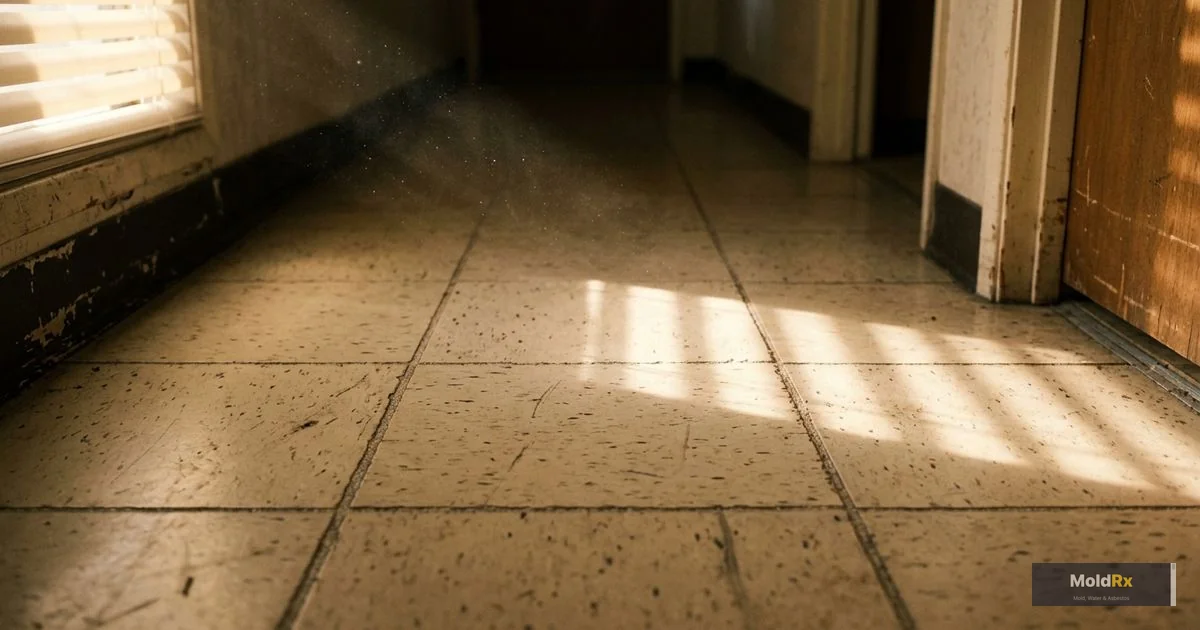
Encapsulation seals asbestos in place; removal eliminates it permanently. Both require licensed professionals, and neither is universally the right answer. The best approach depends on the material's condition, its location, and what you plan to do with the property. Here's how to decide.
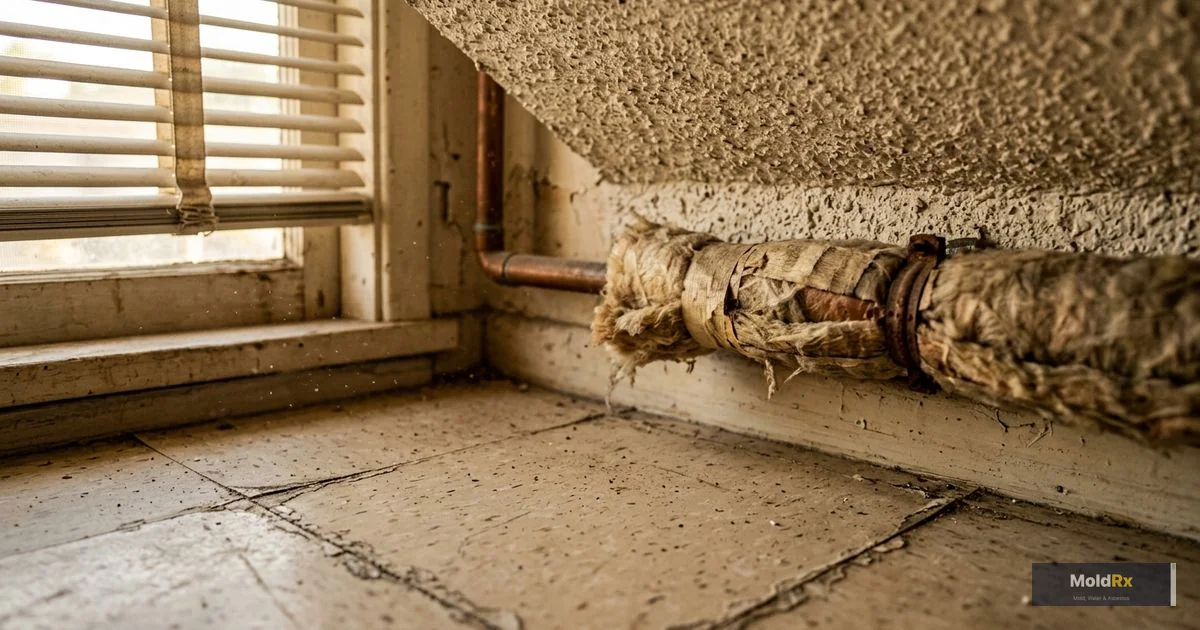
Homes built before 1980 in California likely contain asbestos in multiple materials — and you cannot confirm it by looking. Here's a decade-by-decade timeline, a room-by-room guide to where asbestos hides, and what California homeowners should do before touching anything suspect.
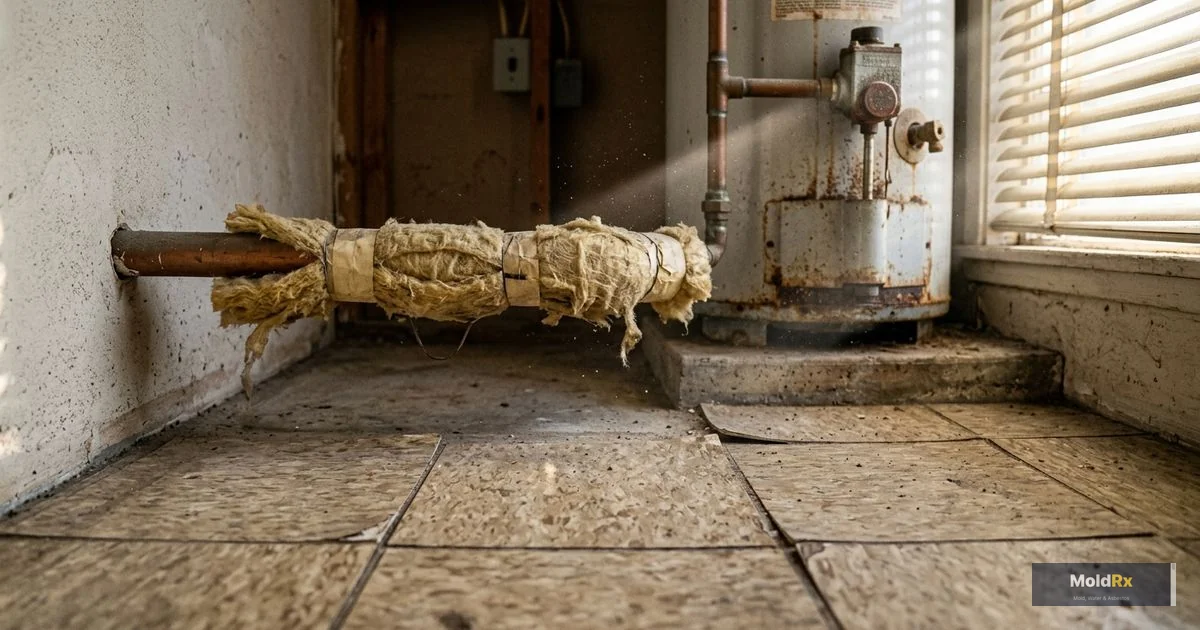
If your attic has loose-fill vermiculite insulation, assume it contains asbestos until tested. Roughly 70% of U.S. vermiculite came from a contaminated mine in Libby, Montana. Here's how to identify it, when it's dangerous, and what California homeowners should do next.
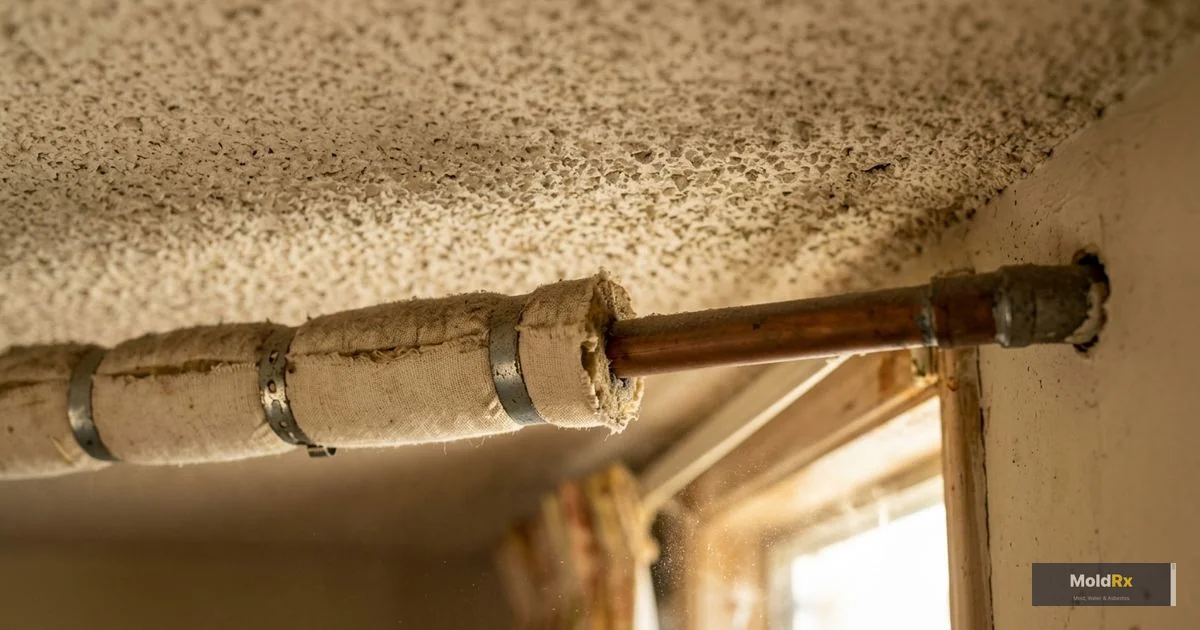
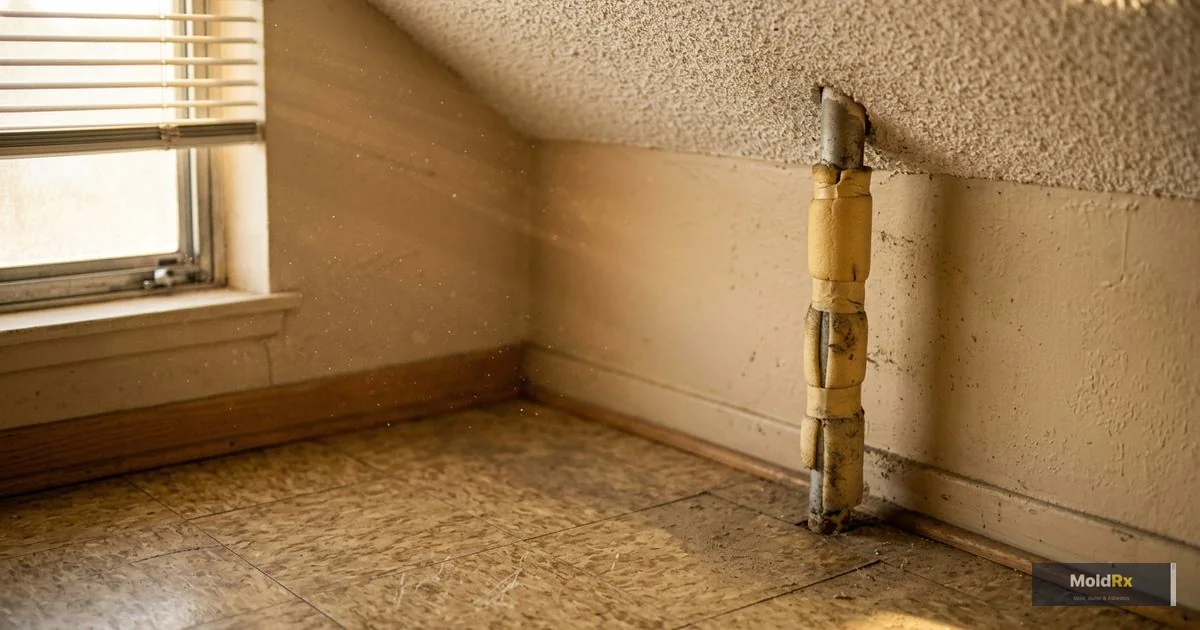
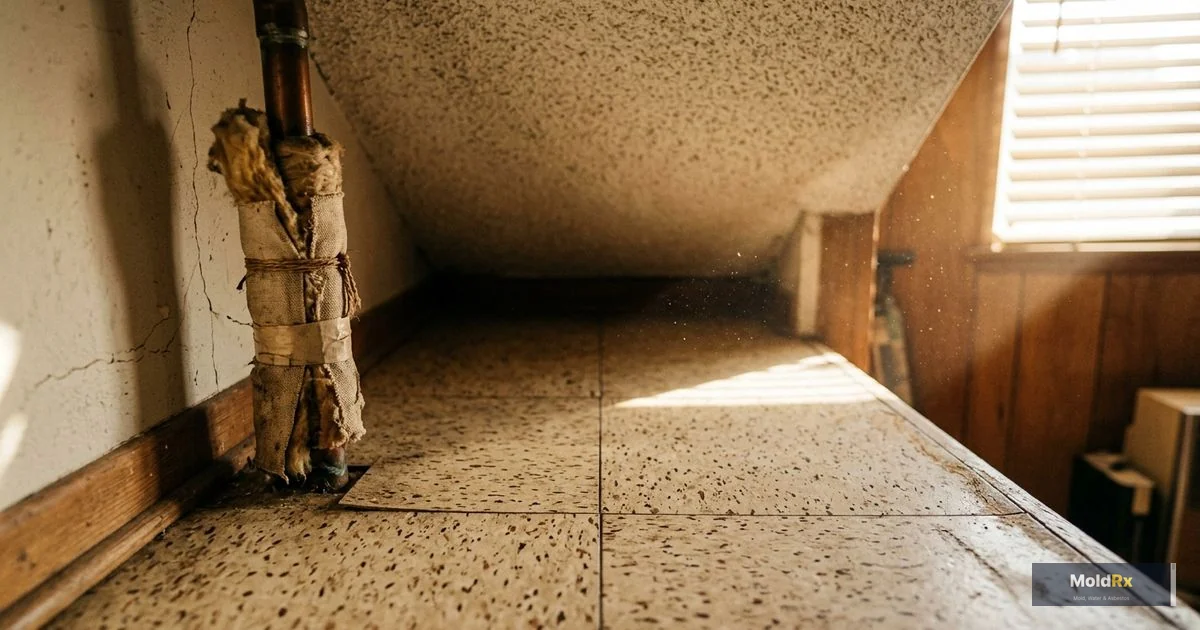
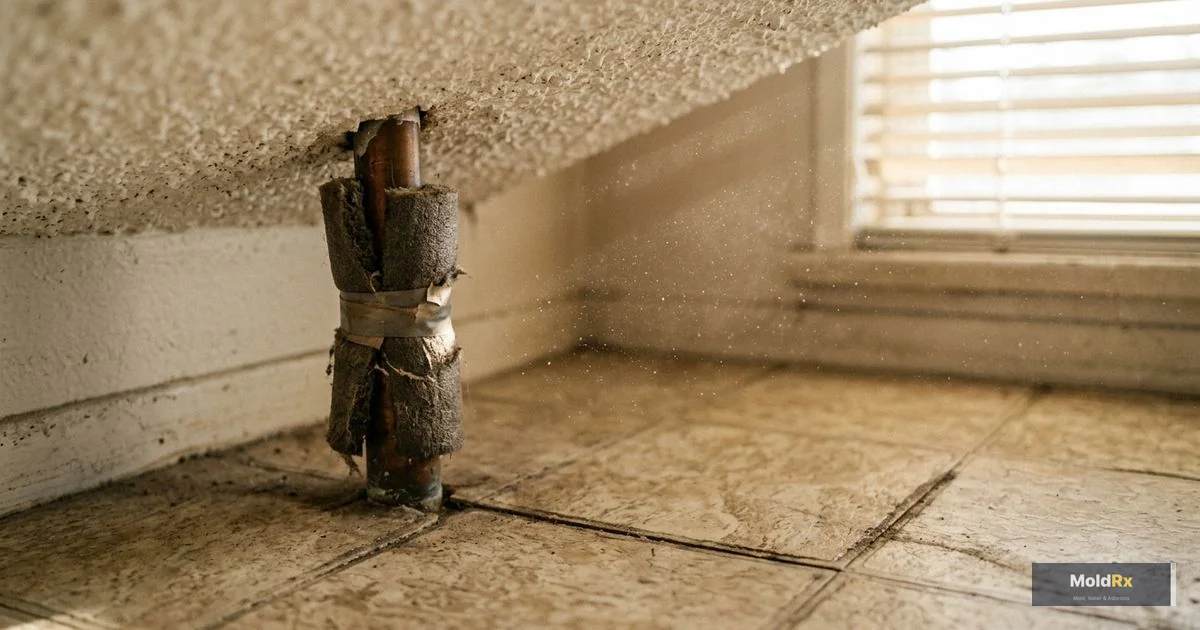
Pipe insulation is one of the most dangerous forms of asbestos because it's often friable — meaning it crumbles easily and releases microscopic fibers with minimal contact. Here's how to identify suspect pipe insulation, where it hides, and why you should never touch it without professional assessment.
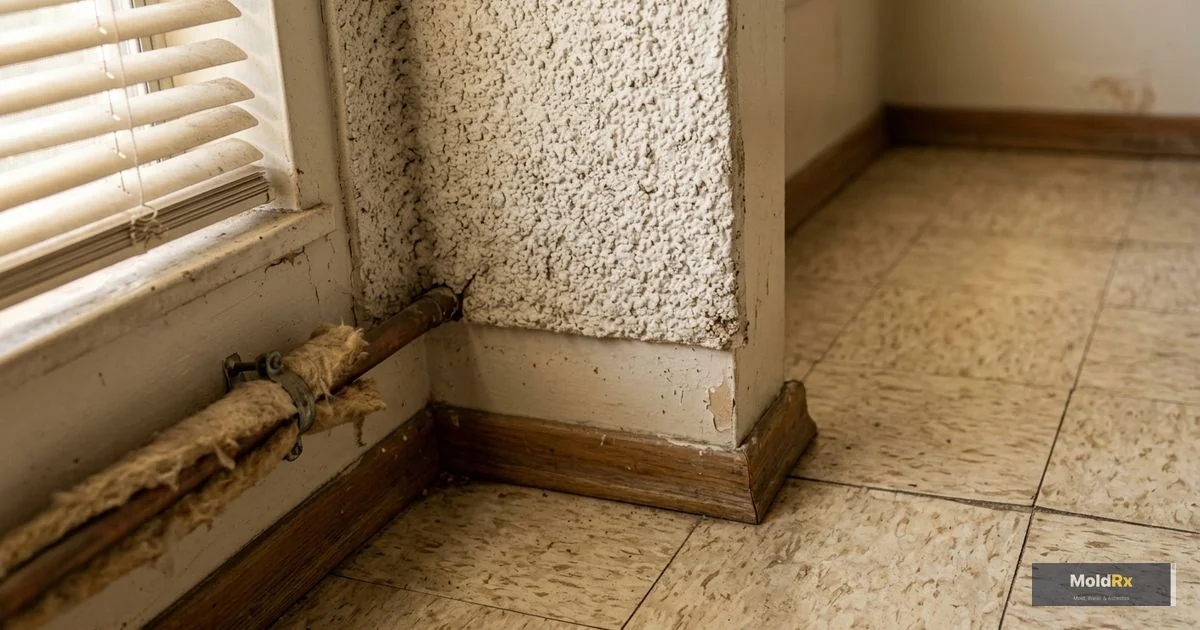
Vinyl floor tiles measuring 9"x9" from homes built before 1980 are the most common asbestos-containing material in residential buildings. Here's how to identify suspect tiles, understand the real risks, and handle them safely — because the adhesive underneath is often more dangerous than the tile itself.
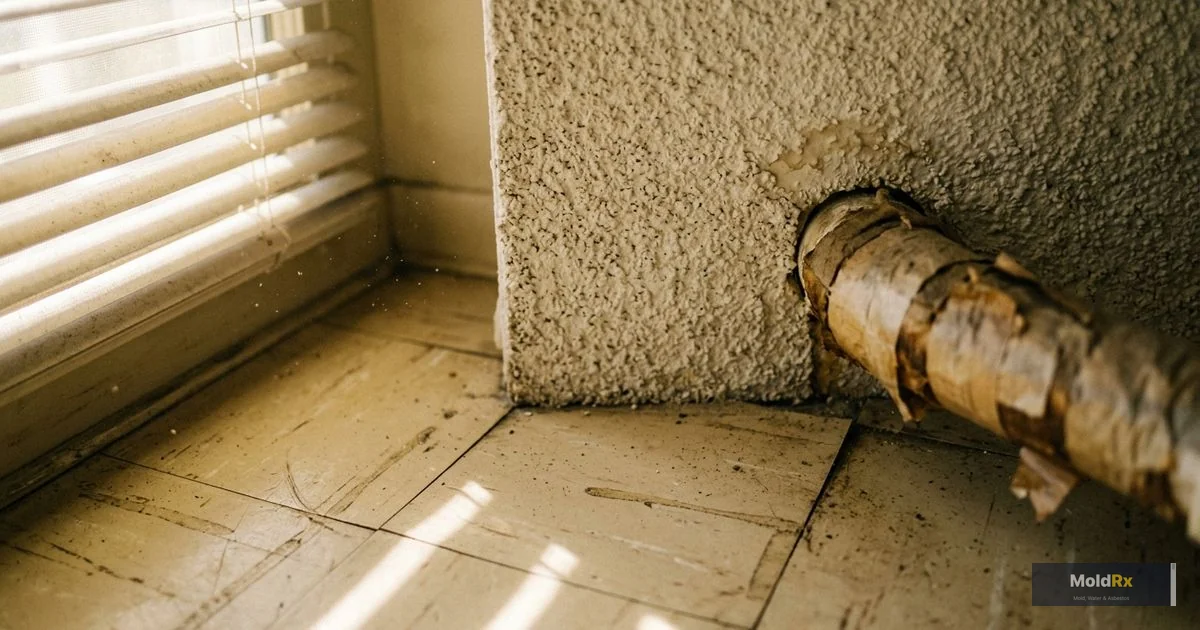
Popcorn ceilings applied before 1980 may contain asbestos — and you cannot tell by looking. Before you scrape, sand, or renovate, here's what every homeowner needs to know about testing, regulations, and safe handling.
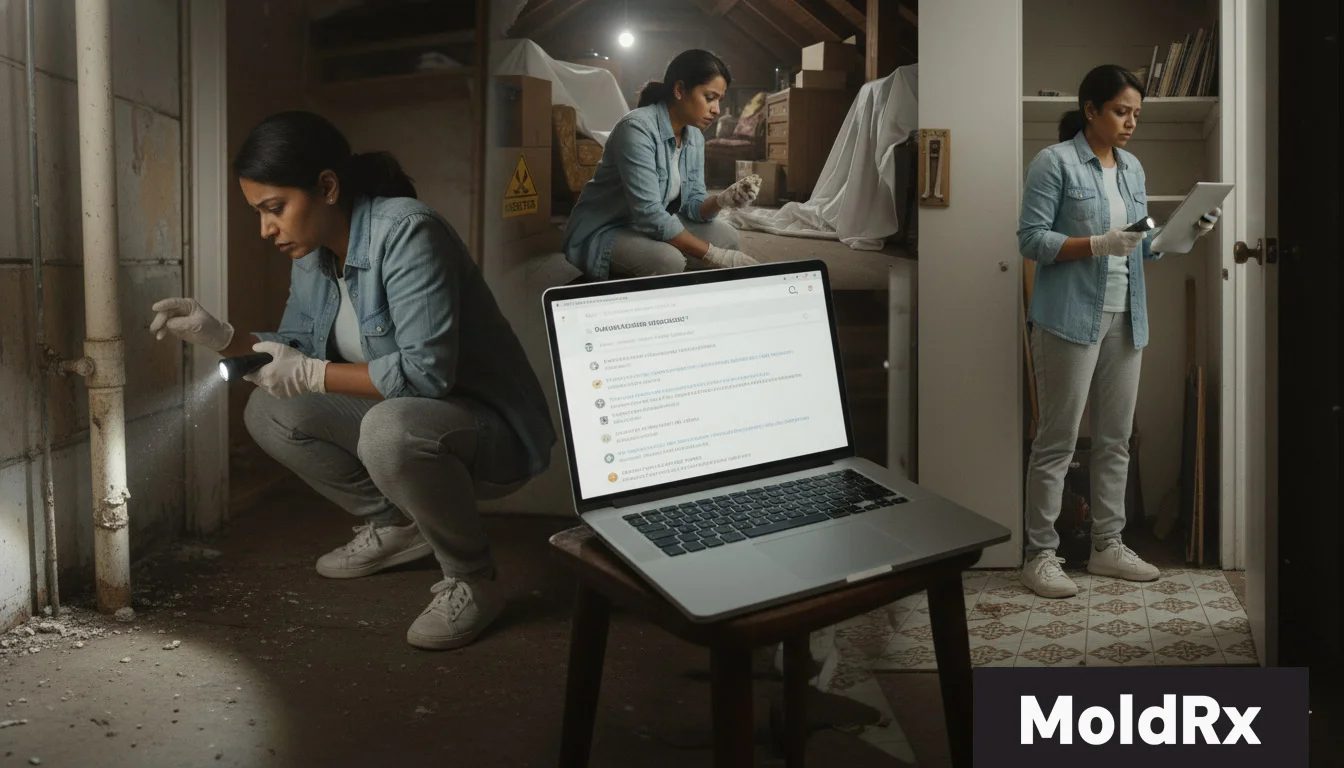
Your property’s construction date is the strongest indicator of potential asbestos. Buildings constructed before 1980 are presumed to contain asbestos under California regulations—and for good reason. Here’s where to look and what visual clues suggest professional testing may be warranted.
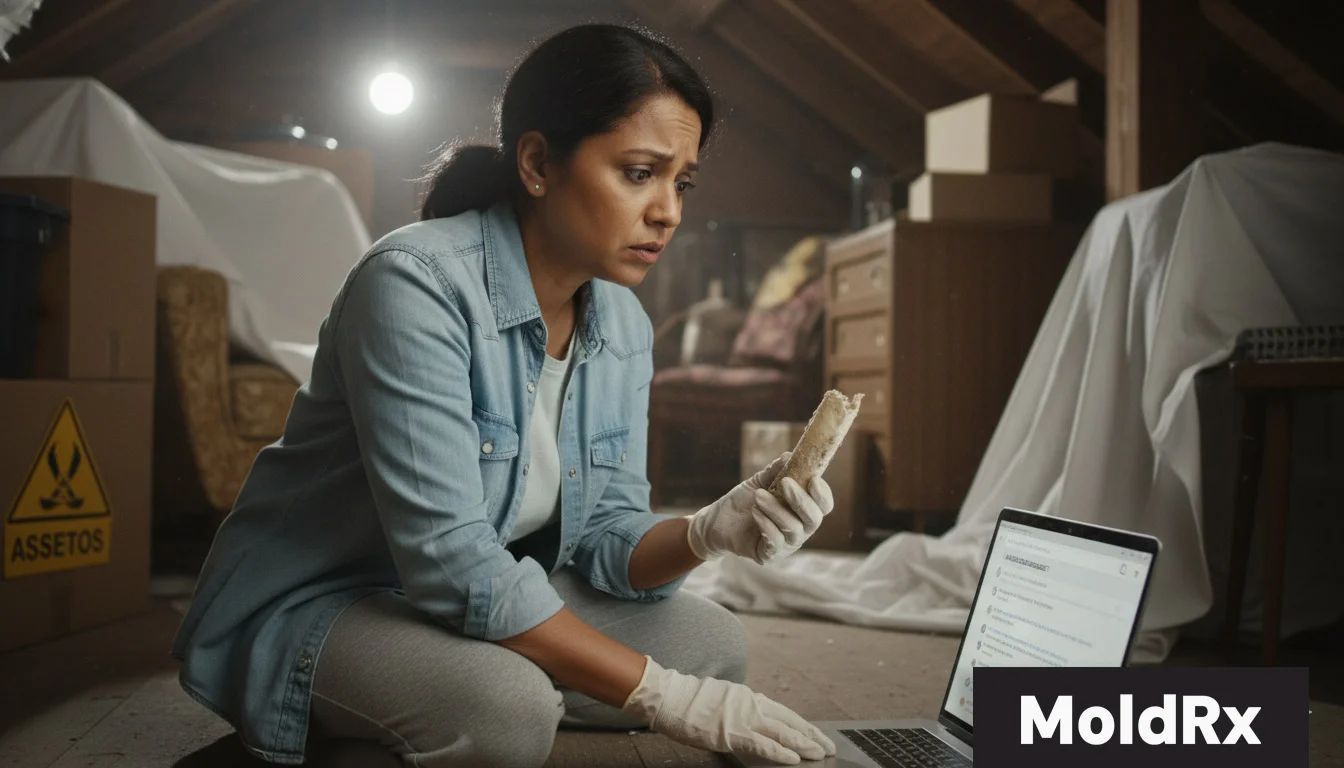
Asbestos isn’t dangerous just because it exists—the threat comes when it’s disturbed. Learn when asbestos poses real health risks and what California property owners need to know before renovation.
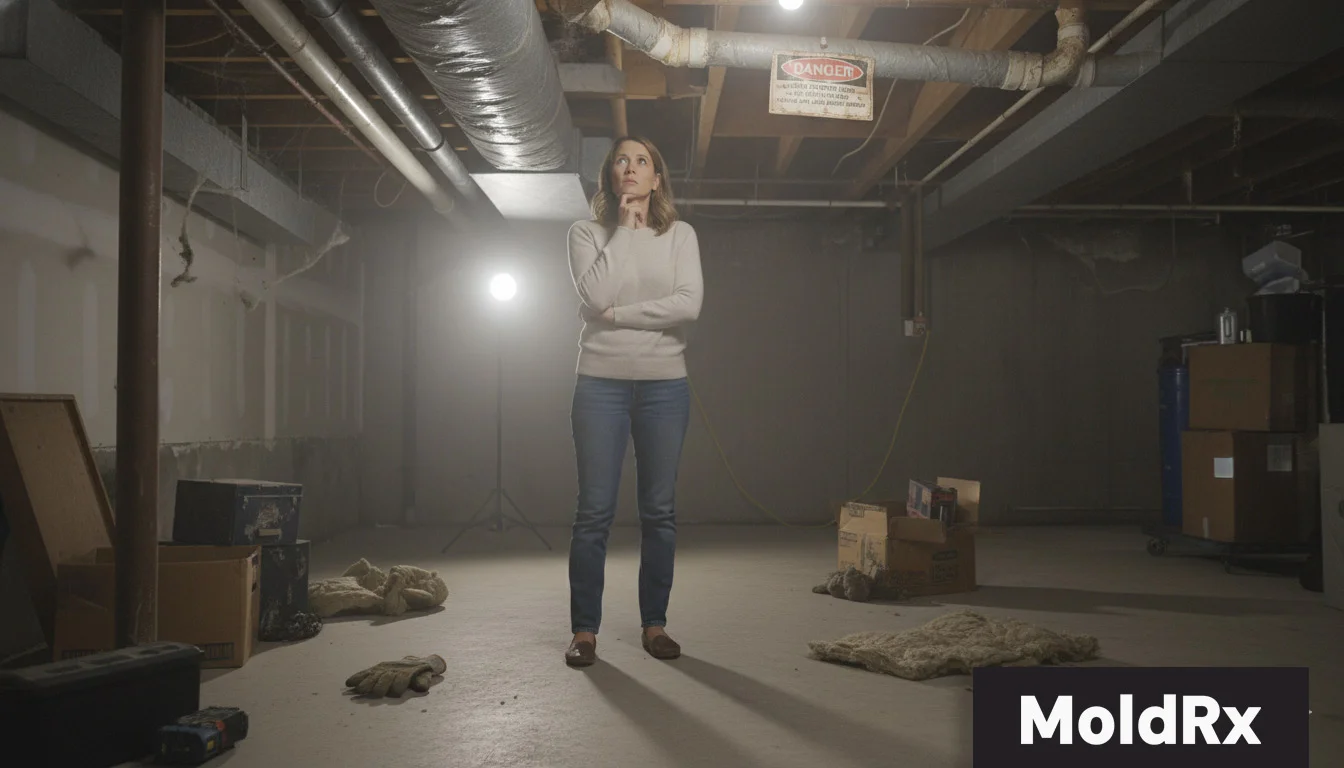
Asbestos is a naturally occurring mineral prized for decades for its strength, heat resistance, and fireproofing properties. The problem? Its microscopic fibers can lodge permanently in your lungs when disturbed. Here’s what property owners need to know about this material, where it hides in older buildings, and when it actually poses a risk.