A Step-by-Step Safety Checklist for California Homeowners
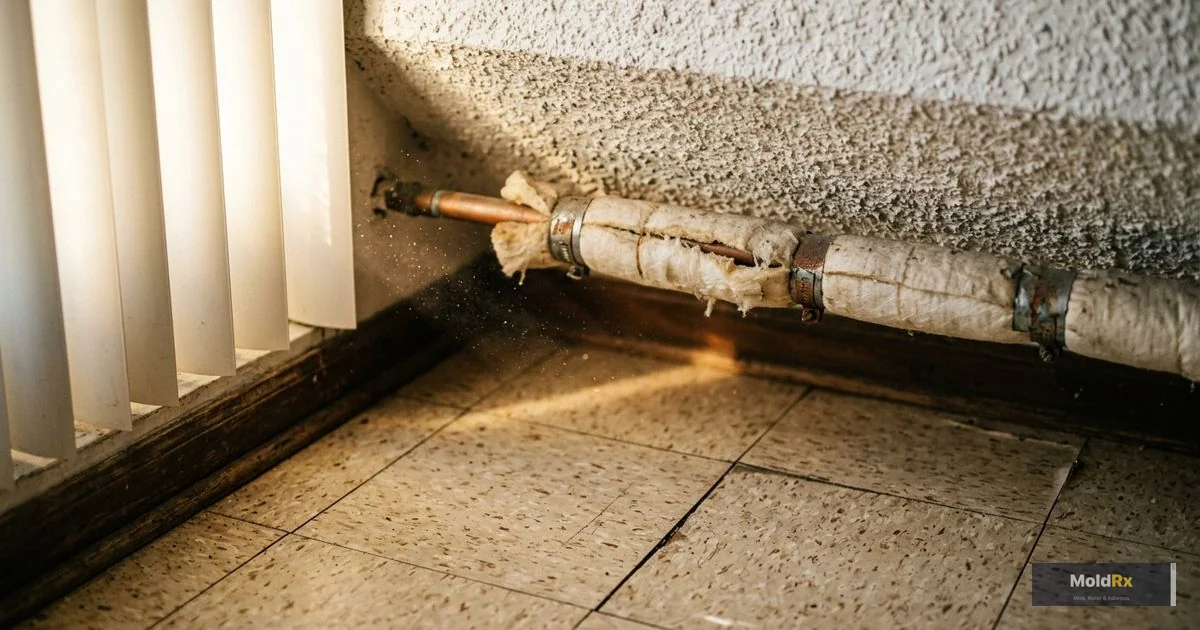
If you're planning a home remodel in California and your house was built before 1980, here is the single most important thing you need to know: test before you touch anything. California law requires it. Asbestos was used in thousands of building materials from the 1930s through the late 1970s, and renovation is the activity most likely to disturb those materials and release microscopic fibers that cause irreversible lung disease and cancer.
This is not a formality. It is not something your contractor can skip or you can handle with a dust mask and an open window. Asbestos fibers are invisible, and the diseases they cause — mesothelioma, lung cancer, asbestosis — have no cure. A remodel that disturbs asbestos without proper testing can contaminate your entire home, expose your family and workers to serious health hazards, and create regulatory violations with severe penalties.
This guide walks you through everything you need to remodel safely: a pre-remodel checklist, what to do if asbestos is found during construction, materials most commonly disturbed by room and project type, how responsibility is divided between you and your contractor, and the California legal requirements that govern the process.
Pre-Remodel Checklist: What to Do Before Any Work Begins
Every safe remodel of a pre-1980 California home follows the same sequence. Skip a step and you risk turning a kitchen upgrade into a hazardous materials emergency. Here's the checklist.
1. Determine Whether Your Home Falls in the Risk Window
If your home was constructed before 1980, California regulations presume that thermal insulation and surfacing materials contain asbestos until laboratory testing proves otherwise. Homes built between 1980 and 1990 are also not automatically safe — manufacturers continued selling stockpiled asbestos-containing products after the EPA bans of the late 1970s. For a detailed timeline, see our guide on asbestos in older California homes.
If your home was built after 1990, the risk is very low but not zero. If there's any doubt, test.
2. Get a Professional Asbestos Survey Before Finalizing Your Remodel Plans
An asbestos survey must be conducted before any renovation work that will disturb building materials in a pre-1980 structure. This is required by SCAQMD Rule 1403 and Cal/OSHA Title 8, Section 1529.
The survey must be performed by a California Certified Asbestos Consultant (CAC) or Certified Site Surveillance Technician (CSST). They will collect physical samples of every material your remodel will disturb — flooring, ceiling texture, drywall, joint compound, insulation, adhesives, roofing — and send them to an accredited laboratory.
This survey should happen before you finalize your remodel budget and timeline. If asbestos is found, abatement must occur before renovation work begins, adding time and cost to your project.
3. Get the Survey Results Before Signing a Construction Contract
Wait for laboratory results before signing a construction contract or scheduling your general contractor's start date. The results will determine one of three scenarios:
No asbestos found. Your remodel proceeds normally. Keep the survey report — you may need it for permits, future sales, or insurance purposes.
Asbestos found in materials that your remodel will disturb. Those materials must be removed by a licensed C-22 abatement contractor before renovation work begins. Asbestos removal must be completed and clearance testing must pass before standard construction resumes.
Asbestos found in materials that your remodel will not disturb. Those materials can remain in place as long as they're in good condition and your renovation activities won't damage them. Your contractor and abatement professional should agree on a plan for protecting those materials during construction.
4. Plan Your Budget and Timeline Around the Results
If abatement is required, build it into your project plan from the start. Abatement happens before renovation, requires its own permitting and notification, and typically takes several days to several weeks depending on scope. Trying to compress this timeline creates compliance violations and safety risks.
5. Verify Your Contractor's Awareness and Compliance
Before construction begins, confirm that your general contractor has received the survey report, understands which materials tested positive, knows where any remaining asbestos-containing materials are located, and has a protocol for stopping work if unexpected materials are encountered. More on contractor responsibilities below.
During the Remodel: What to Do If Unexpected Materials Are Found
Even with a thorough survey, remodels sometimes uncover materials that weren't accessible during the initial inspection. Opening a wall might reveal hidden pipe insulation. Pulling up flooring might expose an older layer underneath.
The Stop-Work Protocol
If any worker encounters a material that wasn't included in the original survey and could contain asbestos, work in that area must stop immediately. This is the legally required and medically necessary response.
Here's the protocol:
Stop all work in the immediate area. Do not continue demolition, cutting, drilling, sanding, or any activity that could further disturb the material.
Do not clean up. Do not sweep, vacuum, or wipe down surfaces. Standard cleaning methods can spread asbestos fibers rather than contain them.
Isolate the area. Close doors, turn off fans and HVAC systems that serve the area, and prevent anyone from entering or passing through the space.
Do not attempt to identify the material visually. You cannot determine whether a material contains asbestos by looking at it. This applies to you, your contractor, and anyone else on site. Visual identification is not possible.
Contact a Certified Asbestos Consultant. The newly discovered material must be sampled and tested before work can resume. Consultants can usually collect samples within one to two business days, with lab results following in one to three business days.
Do not resume work in the affected area until test results are received. If the material tests negative, work continues normally. If it tests positive, abatement must be completed before construction resumes in that area. Work in unaffected areas may continue depending on layout and HVAC configuration.
A single day of demolition on asbestos-containing material can contaminate an entire home. The cost of a brief work stoppage for testing is negligible compared to whole-home decontamination — or the health consequences of exposure.
Materials Most Commonly Disturbed During Remodels
Different remodel projects disturb different materials. Understanding which materials in each room are most likely to contain asbestos helps you anticipate what the survey might find and where abatement may be needed. For a comprehensive overview of the mineral itself and why it was used so heavily, see our guide on what asbestos is.
Kitchen Remodel
Kitchens are among the highest-risk rooms for asbestos disturbance. Common asbestos-containing materials in pre-1980 kitchens include:
- Vinyl floor tiles — Especially 9"x9" vinyl asbestos tiles (VAT), the most common asbestos-containing material in residential buildings
- Floor tile adhesive — The black mastic beneath vinyl tiles is frequently more hazardous than the tiles themselves
- Sheet vinyl backing — The felt or paper backing on sheet vinyl often contains asbestos
- Drywall and joint compound — Joint compound (mud) used in pre-1980 construction frequently contained asbestos
- Textured wall and ceiling coatings — Including popcorn ceilings and knock-down textures
- Cabinet backing — Some older cabinets were installed over asbestos-containing cement board or millboard
- Pipe insulation — Insulation on supply and drain lines running through kitchen walls
Bathroom Remodel
Bathrooms share many of the same materials as kitchens, with additional concerns:
- Floor tiles and adhesive — Same risk as kitchens, often with hidden older layers beneath the visible surface
- Wall tiles and adhesive — Tile mastic and some grout compounds used before 1980 contained asbestos
- Drywall, joint compound, and plaster — Walls and ceilings throughout
- Pipe insulation and duct tape — Insulation on water lines and the cloth-like tape on HVAC duct joints
- Textured ceilings and vinyl flooring — Both popcorn texture and sheet vinyl/tile are common in pre-1980 bathrooms
Living Areas, Bedrooms, and Hallways
- Popcorn ceilings — The most commonly disturbed asbestos-containing material in living spaces during remodels. Scraping popcorn ceilings is a high-risk activity if the material has not been tested
- Textured wall coatings — Knock-down, orange peel, and other spray-applied textures
- Drywall joint compound — Disturbed when walls are demolished, openings are cut, or surfaces are sanded
- Floor tiles beneath carpet — Many pre-1980 homes have vinyl asbestos tiles hidden beneath carpet that was installed later. Pulling up carpet during a remodel can expose and disturb these tiles
- Window glazing and caulk — Some older glazing compounds and exterior caulking contained asbestos
- Vermiculite attic insulation — Disturbed during attic access, HVAC work, or any project that involves the ceiling cavity
Exterior and Structural Work
- Cement siding (transite) — Fiber cement panels containing asbestos were standard on California homes from the 1940s through the 1970s
- Roofing shingles, felt, and flashing — Common on pre-1980 homes and must be tested before roof replacement
- Stucco — Some older mixes, particularly those applied before the 1970s, contained asbestos fibers
- Exterior caulking and sealants — Around windows, doors, and penetrations
- Foundation coatings — Waterproofing and damproofing compounds applied to foundation walls
Whole-House Remodel or Addition
A whole-house remodel touches virtually every material category above. The survey scope expands accordingly, and the likelihood of finding asbestos in at least one material is high in any pre-1980 California home. Plan for this. Budget for this. The survey and any required abatement should be among the first line items in your project plan, not an afterthought.
Working with Your General Contractor: Who Is Responsible for What
Asbestos compliance during a remodel involves shared responsibilities. Understanding who is responsible for what prevents dangerous gaps in the process.
The Homeowner's Responsibilities
Commissioning the asbestos survey. As the property owner, you bear primary compliance responsibility under SCAQMD Rule 1403 and Cal/OSHA. Some general contractors will coordinate this for you, but the legal obligation rests with the owner.
Providing survey results to the contractor. Your general contractor must receive the complete asbestos survey report before beginning work. This is not a courtesy — it is a legal requirement.
Hiring a licensed C-22 abatement contractor. If asbestos removal is needed, it must be performed by a C-22 licensed contractor. Your general contractor cannot perform abatement unless they hold this specific license.
Maintaining documentation. Keep the survey report, abatement records, clearance testing results, and waste disposal manifests permanently. These documents protect you during future renovations, property sales, and regulatory inquiries.
The General Contractor's Responsibilities
Reviewing the survey report. Your contractor should review the full asbestos survey before providing a final bid or starting work. A contractor who doesn't ask about asbestos survey results on a pre-1980 home is a serious red flag.
Working within the survey boundaries. The contractor must not disturb any materials identified as asbestos-containing that have not been abated. If the project scope changes and new materials will be disturbed, the survey must be updated before work proceeds.
Implementing the stop-work protocol. If workers encounter unexpected materials, the contractor is responsible for stopping work and notifying you. Cal/OSHA holds employers — including your contractor — independently liable for exposing workers to asbestos hazards.
Protecting remaining asbestos-containing materials. If your home contains asbestos materials that are not part of the remodel, your contractor must take reasonable precautions to avoid accidentally damaging them during construction.
What Your Contractor Cannot Do
Your general contractor cannot perform asbestos abatement without a C-22 license. They cannot collect asbestos samples — that requires a CAC or CSST. They cannot determine that a material is "probably not asbestos" based on visual inspection. And they cannot advise you to skip the survey because "it's a small project." The regulations apply regardless of project size.
If a contractor tells you that you don't need an asbestos survey before renovating a pre-1980 home, find a different contractor.
California Legal Requirements: What the Law Says
California has some of the most comprehensive asbestos regulations in the country. Here's what applies to your remodel.
SCAQMD Rule 1403
SCAQMD Rule 1403 requires a professional asbestos survey before any renovation or demolition activity in the South Coast Air Basin — covering Orange County, Los Angeles County, and portions of Riverside and San Bernardino counties. The rule requires notification to SCAQMD before work begins when regulated quantities of asbestos-containing material are involved, and mandates specific procedures for removal, handling, and disposal. Penalties include fines starting at $1,000 per day and escalating to $75,000 or more for knowing violations.
Cal/OSHA Title 8, Section 1529
Cal/OSHA's asbestos standard requires employers — including general contractors working on your remodel — to identify asbestos hazards before workers are exposed. It establishes permissible exposure limits and mandates specific training for anyone working with or around asbestos-containing materials. The practical effect: your contractor has an independent legal obligation to verify asbestos status before putting workers into a pre-1980 structure.
California C-22 Licensing
Asbestos abatement requires a C-22 Asbestos Abatement Contractor license from the California Contractors State License Board. General contractors (B license) and other specialty contractors cannot legally perform abatement without this specific license. Verify any abatement contractor's license through the CSLB website before work begins.
Federal EPA NESHAP
The federal National Emission Standards for Hazardous Air Pollutants reinforces state-level requirements, requiring asbestos inspections before demolition and certain renovation activities.
Frequently Asked Questions
Do I need an asbestos survey if I'm only doing a small remodel?
Yes. There is no size exemption. SCAQMD Rule 1403 and Cal/OSHA requirements apply to any renovation work that disturbs building materials in a pre-1980 structure, whether you're gutting the entire house or replacing flooring in one room. The regulations are based on the act of disturbing potentially hazardous materials, not the square footage of your project.
Can I test for asbestos myself?
No. California requires pre-renovation asbestos surveys to be conducted by a Certified Asbestos Consultant (CAC) or Certified Site Surveillance Technician (CSST). Home testing kits sold online do not satisfy regulatory requirements. Professional asbestos testing provides legally valid, laboratory-confirmed results.
How long does asbestos testing take?
Sample collection typically takes a few hours for a residential property. Standard laboratory analysis takes three to five business days. Rush analysis (24–48 hours) is available at additional cost if your project timeline is tight. Plan for approximately one week from sample collection to receiving results under standard turnaround.
What if my contractor says asbestos testing isn't necessary?
Find a different contractor. Any contractor who advises skipping an asbestos survey on a pre-1980 home is either unfamiliar with California regulations or willing to cut corners that endanger your family, their workers, and your property.
Can I live in my home during asbestos removal?
It depends on scope and location. Localized removal in a contained area may allow you to remain in other parts of the home, provided proper containment barriers and negative air pressure systems are in place. Larger projects or work near HVAC systems may require temporary relocation. Your abatement contractor will advise based on specific conditions.
How much does asbestos abatement add to my remodel timeline?
The survey adds approximately one to two weeks (scheduling, sample collection, and lab turnaround). Abatement takes several days to several weeks depending on scope. SCAQMD Rule 1403 notification adds 10 working days for projects involving regulated quantities. Build a buffer of three to six weeks into your project plan if your home is pre-1980.
What happens if asbestos is found after my remodel has already started?
Work stops in the affected area immediately. The material must be sampled, tested, and — if positive — abated before construction resumes. This is the stop-work protocol described above. The alternative — continuing to work around asbestos — creates health hazards, regulatory violations, and contamination that will cost far more to resolve.
Does asbestos in my home affect resale value?
Not necessarily, if handled correctly. California requires sellers to disclose known asbestos-containing materials. If you have documentation showing materials were either non-asbestos or properly abated with clearance testing results, that strengthens your position during a sale. What affects resale value is undisclosed or unmanaged asbestos, not properly handled materials.
Is encapsulation an option during a remodel, or does asbestos always need to be removed?
If your remodel will physically disturb the material — cutting, drilling, demolishing it — removal is typically required. Encapsulation is an option when asbestos-containing materials are intact and will not be disturbed by the renovation. For example, floor tiles in a room outside the remodel scope can potentially be encapsulated and left in place. Your abatement professional will advise based on material type, condition, and project scope.
Who pays for the asbestos survey — me or my contractor?
The homeowner is responsible for the asbestos survey. This is a pre-construction obligation that falls on the property owner under SCAQMD Rule 1403. Some contractors include survey coordination in their project management services, but the cost is ultimately borne by the property owner. Consider it a non-negotiable part of your remodel budget — the same way you would budget for permits.
The Bottom Line: Test First, Remodel Second
Every safe remodel of a pre-1980 California home begins with the same step: professional asbestos testing before anyone picks up a hammer. California law requires it. The consequences of skipping it — irreversible health hazards, expensive contamination, severe penalties — make it the single best investment in your remodel project.
The testing process is straightforward. The results give you clear information to plan around. And having those results before construction begins protects your family, your workers, your property, and your timeline.
Planning a Remodel on a Pre-1980 Home?
MoldRx coordinates professional asbestos testing and asbestos removal services throughout Orange County, Riverside County, and San Bernardino County. Our vetted specialists are California-certified, follow Cal/OSHA and EPA protocols, and we'll give you honest guidance about what your remodel requires — no scare tactics, no unnecessary services.
Call (888) 609-8907 to talk to a real person about your remodel plans and asbestos concerns. Or request a free estimate online and we'll follow up on your schedule. We'll help you understand what testing is needed, what the results mean, and how to keep your project moving safely and on schedule.