You found something dark growing on a wall, in a closet, or behind a piece of furniture. You searched "black mold" and now you're reading about toxic exposure, respiratory failure, and emergency remediation. Or maybe you found a green or white mold and assumed it was harmless because it wasn't black.
Both reactions are based on the same misconception. Here's the reality: "black mold" is not a scientific classification, and the color of mold tells you almost nothing about whether it's dangerous. Many completely harmless molds are black. Many molds that cause real health problems are white, green, gray, or brown. The phrase "black mold" has become a cultural shorthand that creates panic where it isn't warranted and false reassurance where it shouldn't exist.
This guide explains what "black mold" actually refers to, why the color distinction doesn't work, what the CDC and EPA actually say, and how to make informed decisions when you find mold in your home.
What People Mean When They Say "Black Mold"
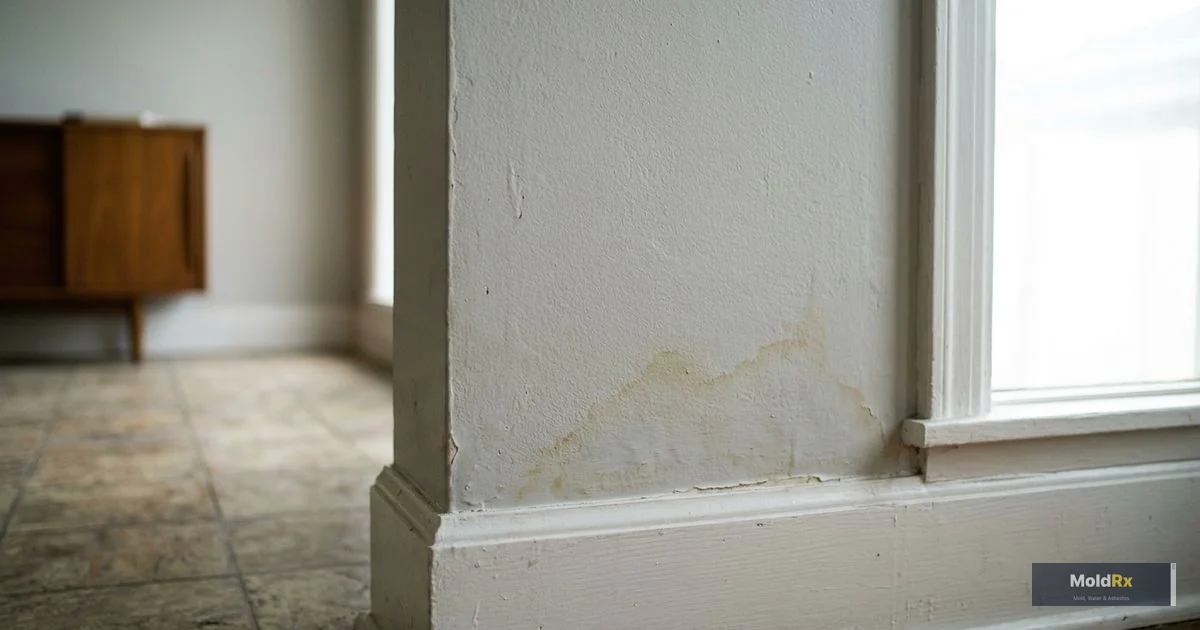
When most homeowners say "black mold," they're referring to one specific species: Stachybotrys chartarum (sometimes called Stachybotrys atra). This mold produces mycotoxins — secondary metabolites that can cause health effects in humans — and has been the subject of significant media coverage, legal disputes, and public anxiety since the 1990s.
Stachybotrys chartarum is real, and it can be a genuine concern in certain circumstances. But the leap from "Stachybotrys exists" to "all black-colored mold is toxic" is where the misunderstanding begins.
Here's what most people don't realize:
- Stachybotrys chartarum isn't always black. It can appear dark green, dark gray, or nearly black depending on the surface and growth stage.
- Dozens of common mold species are black. Aspergillus niger, Cladosporium, Alternaria, Nigrospora, and others routinely produce dark or black colonies — and most of them pose far less concern than Stachybotrys.
- You cannot identify mold species by looking at it. Not reliably. Not even experienced inspectors can visually distinguish Stachybotrys from Aspergillus niger or several other dark-colored molds. Identification requires laboratory analysis — either microscopy or culture testing from a professional mold test.
The bottom line: if someone tells you that you have "black mold" based purely on how it looks, they're guessing. And if someone tells you a mold is safe because it's not black, they're also guessing.
Common Mold Types Found in Homes
Your home contains dozens of mold species at any given time. Mold spores are a normal part of indoor and outdoor air. The issue isn't whether mold exists — it's whether mold is actively growing on building materials, at what concentration, and whether anyone is being affected.
Here are the species most commonly identified during residential mold testing:
Cladosporium
Appearance: Olive-green to brown or black. Often appears as dark spots on surfaces. Where it grows: Both indoor and outdoor environments. Commonly found on fabrics, wood surfaces, HVAC ducts, and damp window frames. Health considerations: One of the most common airborne molds. Generally considered a low-risk allergen, but can trigger symptoms in people with mold sensitivities or asthma. Not typically associated with serious toxicity.
Aspergillus
Appearance: Varies widely — white, yellow, green, brown, or black depending on the species. Aspergillus niger (the most common black variety) produces dark brown to black colonies. Where it grows: Almost everywhere. Found on food, in soil, in HVAC systems, on damp building materials, and in dust. Thrives in warm, damp conditions. Health considerations: Most Aspergillus species are harmless to healthy individuals. However, some species (particularly A. fumigatus and A. flavus) can cause aspergillosis — a serious respiratory infection — in immunocompromised individuals. This is one of the reasons you can't assess risk by color alone.
Penicillium
Appearance: Blue-green or gray-green with a powdery or velvety texture. Rarely black. Where it grows: Water-damaged building materials, wallpaper, carpet, insulation, mattresses. Spreads rapidly once established. Health considerations: Produces mycotoxins in certain conditions. A significant allergen and can cause respiratory problems. Often found at elevated levels after water damage — and often dismissed by homeowners because it "doesn't look like black mold."
Alternaria
Appearance: Dark brown to black with a velvety texture. Where it grows: Damp areas including showers, bathtubs, below leaking sinks, and around window condensation. Also very common outdoors. Health considerations: One of the most common allergenic molds. Associated with hay fever and asthma symptoms. Can cause upper respiratory tract infections in susceptible individuals.
Stachybotrys chartarum
Appearance: Dark green to black, often with a slimy or wet-looking surface when actively growing. Can appear powdery when dry. Where it grows: Requires sustained saturation — not just dampness, but materials that stay wet for extended periods. Commonly found on cellulose-rich materials (drywall paper, cardboard, ceiling tiles, wood) after prolonged water damage. Grows more slowly than most common indoor molds. Health considerations: Produces satratoxins and other mycotoxins. Associated with respiratory symptoms, chronic fatigue, headaches, and in severe cases, more serious health effects. However, the health impact depends on concentration, duration of exposure, and individual susceptibility — not merely its presence.
Other Dark-Colored Molds
Aureobasidium starts pink or cream-colored, then darkens to brown or black as it matures — commonly mistaken for "black mold" on window frames and caulking. Chaetomium appears on severely water-damaged drywall and actually produces mycotoxins similar to Stachybotrys, but is often overlooked because it doesn't match the popular image of "black mold." Both illustrate why visual identification is unreliable.
Why Color Alone Doesn't Determine Danger
The "black mold" framework fails for three fundamental reasons:
1. The same species can appear in different colors depending on growth stage, moisture level, surface material, and available nutrients. A colony of Aspergillus can be white one week and dark green the next. Stachybotrys can look gray-green in early growth and jet black when mature. Color changes as the organism develops.
2. Different species look identical to the naked eye. A dark patch on drywall could be Stachybotrys (mycotoxin-producing), Aspergillus niger (generally low-risk), Cladosporium (common allergen), Alternaria (allergenic), or several other species. Without laboratory analysis, there is no way to distinguish them visually. Learn more about whether you need a mold test and when species identification matters.
3. Health risk depends on factors beyond species identification. Even confirmed Stachybotrys isn't automatically dangerous. The health impact of any mold depends on:
- Concentration — how many spores are present relative to outdoor baseline levels
- Duration of exposure — acute versus chronic
- Individual susceptibility — people with asthma, allergies, compromised immune systems, or chronic respiratory conditions are more vulnerable
- Whether mycotoxins are actively being produced — not all Stachybotrys colonies produce mycotoxins at all times
- Ventilation and containment — how spores are distributed through the living space
A large colony of "harmless" Cladosporium in a bedroom with poor ventilation can cause more respiratory distress than a small, contained colony of Stachybotrys in a rarely-used crawl space. Context matters more than color.
What the CDC and EPA Actually Say
The public conversation about "black mold" often drifts far from what regulatory and public health agencies actually recommend. Here's what the CDC and EPA have published:
The CDC does not use the term "toxic mold." Their guidance states: "The term 'toxic mold' is not accurate. While certain molds are toxigenic, meaning they can produce toxins (specifically mycotoxins), the molds themselves are not toxic, or poisonous." The CDC recommends addressing all mold growth in indoor environments regardless of species — not because all mold is toxic, but because elevated indoor mold levels can cause health problems in many people, allergenic or otherwise.
The EPA recommends remediation based on size and material — not species. The EPA's guidance for homeowners and building managers doesn't hinge on whether the mold is "black mold" or any other type. Their approach is practical: if mold is growing on porous materials, if it covers more than roughly 10 square feet, or if it's in the HVAC system, professional remediation is appropriate. If it's a small area on a non-porous surface, homeowners can typically handle it themselves.
Neither agency recommends routine mold testing as a first step. Both the CDC and EPA note that if you can see mold, the response is the same regardless of species: remove it and fix the moisture problem. Testing becomes valuable when mold is suspected but not visible, when documentation is needed, or after professional remediation to verify clearance.
The takeaway from both agencies is consistent: treat all indoor mold growth seriously, respond based on scope and material rather than color, and fix the moisture source.
When ANY Mold Requires Professional Attention
The most useful question isn't "is this black mold?" — it's "does this situation require a professional?" Here's how to evaluate:
Size of the Affected Area
The 10-square-foot threshold from EPA guidance is a reasonable starting point. A patch of mold on bathroom tile within a 3-by-3-foot area is likely a DIY cleaning task — assuming it's on a hard, non-porous surface. Once the affected area is larger, or you suspect it extends beyond what's visible, professional assessment is warranted.
What It's Growing On
This matters more than color. Mold on non-porous surfaces (tile, glass, metal, sealed countertops) can be cleaned because the mold is sitting on the surface. Mold on porous materials — drywall, insulation, carpet, ceiling tile, unfinished wood — has grown into the material itself. Surface cleaning doesn't reach the roots (hyphae), and the mold regrows. Porous materials with mold growth generally need to be removed, which requires containment protocols to prevent spreading spores throughout your home. Learn more about what happens during professional mold remediation.
The Moisture Source
Every mold colony has a moisture source. If you can't identify it, or if you've identified it but can't correct it (a leak inside a wall, condensation in a poorly ventilated space, foundation moisture intrusion), you need professional help. Cleaning mold without fixing the moisture source guarantees recurrence — whether the mold is black, green, white, or any other color.
Recurrence After Cleaning
If you've cleaned visible mold and it returned within weeks, either the moisture source wasn't addressed or mold has penetrated deeper than surface cleaning can reach. Professional assessment identifies what you're missing — using moisture meters, thermal imaging, and other tools that visual inspection can't replicate. Learn about how professionals detect hidden mold behind walls and under floors.
HVAC System Involvement
Mold inside ductwork, on evaporator coils, or in air handling units spreads spores to every connected room every time the system runs. Improper cleaning can make things worse by dislodging spore clusters and distributing them more widely. This is one situation where professional remediation is essential.
Health Symptoms
If anyone in your household is experiencing respiratory symptoms, allergic reactions, or persistent headaches that improve when they leave the property, the mold situation requires professional attention regardless of species or color. People with asthma, compromised immune systems, or chronic lung conditions are particularly vulnerable.
Health Effects of Mold Exposure — Facts, Not Fear
Mold exposure health effects are real, but the conversation about them is often distorted by either fear-mongering or dismissiveness. Here's what the medical evidence actually supports:
What's well-established
- Allergic reactions: Mold is a common allergen. Exposure to elevated indoor mold levels can trigger sneezing, runny nose, red eyes, skin rash, and asthma attacks in sensitized individuals. This applies to many mold species — not just Stachybotrys.
- Asthma aggravation: The Institute of Medicine found sufficient evidence linking indoor mold exposure to asthma symptoms in people with the condition. Early childhood mold exposure may contribute to asthma development.
- Respiratory irritation: Even in non-allergic individuals, high spore concentrations can irritate the airways, causing coughing, throat irritation, and congestion.
- Opportunistic infections: In immunocompromised individuals (organ transplant recipients, people undergoing chemotherapy, HIV/AIDS patients), certain species — particularly Aspergillus — can cause serious fungal infections.
What's less certain
The health effects of inhaling mycotoxins at concentrations typical in residential buildings are not fully established. The WHO acknowledges the concern but notes that dose-response relationships for residential settings are not well-defined. Some individuals report chronic symptoms they attribute to mold exposure, and while the medical community debates the precise mechanisms, the symptoms are real.
The practical conclusion
You don't need to confirm species or mycotoxins to justify addressing a mold problem. The CDC recommends treating all indoor mold growth the same way: remove it and fix the moisture source. If family members are experiencing symptoms, get the mold addressed and consult a healthcare provider. Don't wait for a lab report before taking action.
Frequently Asked Questions
Is all black-colored mold toxic?
No. The vast majority of black-colored mold found in homes is not Stachybotrys chartarum. Common black molds include Cladosporium, Aspergillus niger, Alternaria, and Aureobasidium — none of which are typically associated with the severe toxicity concerns attributed to Stachybotrys. Color cannot determine species, and species alone doesn't determine risk. If you're concerned about mold in your home, professional testing can identify exactly what you're dealing with.
Is Stachybotrys chartarum ("black mold") the most dangerous mold?
Not necessarily. Stachybotrys produces mycotoxins, but so do some species of Aspergillus, Penicillium, and Chaetomium. And Aspergillus fumigatus — which is usually green or gray, not black — causes more documented invasive fungal infections than Stachybotrys. The concept of a single "most dangerous" mold is misleading because risk depends on the species, the concentration, the duration of exposure, and the individual's health status.
Can I test for black mold with a home testing kit?
Home mold testing kits (settle plates or tape-lift kits from hardware stores) are generally unreliable. They collect whatever spores happen to land on them and don't distinguish between normal background levels and elevated concentrations. Professional air sampling with laboratory analysis provides calibrated data that actually means something. If testing is warranted, do it right. Learn more about whether you need a mold test.
My mold is green/white/gray — does that mean it's safe?
No. Color does not indicate safety. Penicillium (often blue-green) produces mycotoxins. Aspergillus fumigatus (green to gray) is the leading cause of invasive aspergillosis. White mold can be early-stage growth of almost any species. Evaluate mold by what it's growing on, how much area it covers, whether there's a moisture problem, and whether anyone is experiencing health symptoms — not by its color.
How can I tell if the mold in my home is Stachybotrys?
You can't — not visually. Stachybotrys chartarum can only be reliably identified through laboratory microscopy or culture analysis from a sample collected by a qualified inspector. If species identification matters for your situation (insurance documentation, health concerns, post-remediation verification), professional mold testing is the only path to a reliable answer.
Does Stachybotrys require special remediation procedures?
No. Professional remediation protocols (containment, HEPA filtration, material removal, clearance testing) are the same regardless of species. The IICRC S520 standard doesn't prescribe different procedures for different molds. Scope is determined by the size of the affected area, the materials involved, and the moisture source — not the species name. Professional mold removal follows these protocols on every project.
Should I move out if I find black mold?
It depends on the scope and your health status — not the color. If mold covers a large area, involves HVAC contamination, or is causing health symptoms in your household, temporary relocation during remediation may be advisable regardless of species. For contained mold in a single area where professional containment barriers can isolate the work zone from living spaces, most families can stay in the home during the remediation process.
How fast does Stachybotrys grow compared to other molds?
Stachybotrys is actually one of the slower-growing indoor molds. It requires sustained saturation — not just elevated humidity, but materials that remain wet for extended periods (typically weeks rather than days). Other molds like Aspergillus, Cladosporium, and Penicillium colonize faster and at lower moisture levels. This is why Stachybotrys is most often found after significant, prolonged water damage events rather than after minor leaks. Learn about how fast mold grows after water damage.
My landlord says the mold isn't "black mold" so they don't need to address it. Is that correct?
No. There is no legal or regulatory distinction between "black mold" and other mold for the purpose of landlord responsibility. Habitability standards require landlords to maintain properties free of conditions that threaten health and safety. Elevated indoor mold of any species — growing on building materials due to a moisture problem that is the landlord's responsibility to fix — warrants remediation. The species name doesn't change the obligation.
When should I get professional mold testing versus just having it removed?
If mold is clearly visible, professional remediation can proceed without testing — the response is the same regardless of species. Testing is most valuable when you smell mold but can't find it, need documentation for insurance or real estate transactions, want post-remediation clearance verification, or need to understand indoor air quality for health reasons. Testing adds information — it shouldn't delay action on visible mold.
The Only Question That Matters
The internet has trained homeowners to ask "is this black mold?" when the real question is: "Do I have a mold problem, and what should I do about it?"
The answer doesn't depend on color. It depends on how much mold is present, what materials are affected, whether the moisture source has been corrected, and whether anyone in the household is being impacted. A qualified professional can assess all of these factors and give you a clear, honest picture.
If you're looking at mold in your home and you're not sure what to do next, MoldRx can help.
Get a Clear Answer About the Mold in Your Home
MoldRx provides professional mold testing and mold remediation throughout Orange County, Riverside County, and San Bernardino County. We'll assess your situation honestly, explain what you're dealing with in plain language, and recommend only what's actually needed.
Call (888) 609-8907 to talk to a real person — no scripts, no pressure. Or request a free estimate online and we'll get back to you quickly.
Mold Testing → · Mold Removal → · All Services → · Service Areas → · Contact Us →