Is Asbestos Dangerous? What Every Property Owner Should Know
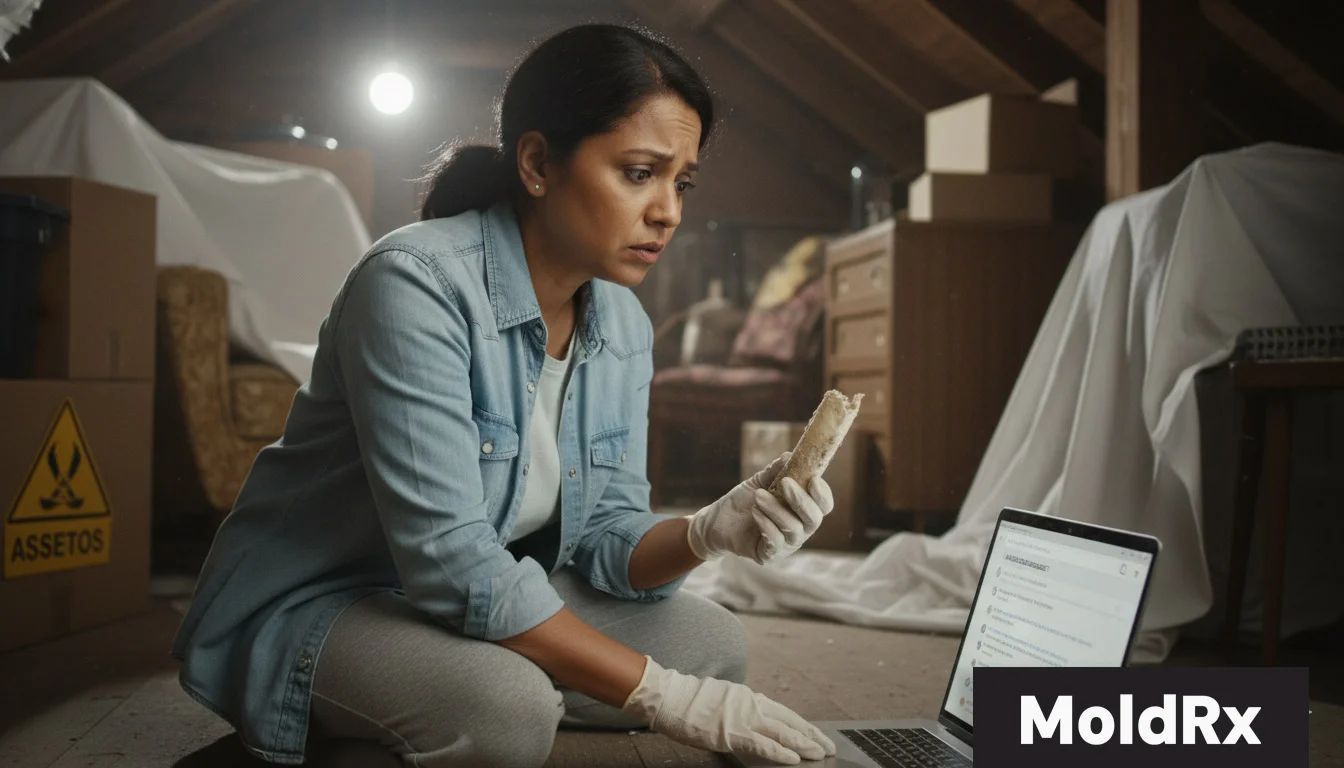
If you own a home or commercial building constructed before 1980, there’s a reasonable chance it contains asbestos somewhere. That fact alone can be alarming—but the reality is more nuanced than the headlines suggest. Asbestos isn’t automatically dangerous just because it exists in your property. The real question is whether it’s been disturbed.
Understanding when asbestos poses a genuine health threat—and when it doesn’t—can help you make informed decisions about testing, renovation projects, and protecting your family or tenants.
What Is Asbestos?
Asbestos is a naturally occurring mineral made up of microscopic fibers. For more background, see our guide on What is Asbestos. For decades, it was considered a wonder material for construction because of its remarkable properties: it resists heat, fire, and chemical damage while providing excellent insulation. These qualities made it incredibly popular in building materials from the 1930s through the late 1970s.
The problem is that those same microscopic fibers—invisible to the naked eye—can become trapped in your lungs if inhaled. And unlike most substances, your body cannot break them down or expel them. They stay there, potentially for decades, where they can cause serious health problems over time.
When Is Asbestos Actually Dangerous?
Here's what most people don't realize: asbestos that's intact and undisturbed generally poses little to no health risk. The danger comes when asbestos-containing materials are damaged, deteriorated, or disturbed in a way that releases those microscopic fibers into the air.
The U.S. Consumer Product Safety Commission puts it plainly: there is no danger unless fibers are released and inhaled into the lungs. Material in good condition will not release asbestos fibers.
Asbestos becomes hazardous when it’s what professionals call friable—meaning it can be crumbled by hand pressure, releasing fibers into the air. Activities that commonly disturb asbestos include drilling, sanding, sawing, scraping, demolition, and renovation work. Even seemingly minor activities like pulling up old floor tiles or removing popcorn ceilings can release dangerous amounts of fibers if those materials contain asbestos.
This is why the standard guidance from the EPA, state health departments, and experienced remediation professionals is consistent: if asbestos-containing material is in good condition and won’t be disturbed, the safest approach is often to leave it alone.
The Health Risks Are Real—and Delayed
When asbestos fibers are inhaled, they can cause several serious health conditions. The three most significant are mesothelioma, lung cancer, and asbestosis.
Mesothelioma is a cancer that forms in the thin tissue lining the lungs, abdomen, or heart. According to research from the National Cancer Institute and WHO, the vast majority of mesothelioma cases—over 80%—are caused by asbestos exposure. Unlike some cancers, there appears to be no safe threshold of exposure for mesothelioma risk. Even relatively small exposures can potentially lead to this disease.
Lung cancer risk increases substantially with asbestos exposure, and the combination of asbestos exposure and smoking creates a dramatically higher risk than either factor alone. Some studies suggest the combined risk is 50 to 90 times higher than for people with neither exposure.
Asbestosis is a chronic lung disease caused by scarring from asbestos fibers. It leads to shortness of breath, persistent coughing, and permanent lung damage. Unlike mesothelioma, asbestosis is dose-related—meaning the more exposure, the higher the risk.
One of the most troubling aspects of asbestos-related diseases is the latency period. Symptoms typically don’t appear until 10 to 50 years after exposure. Someone exposed during a renovation project in their 30s might not develop symptoms until their 60s or 70s. This long delay is why asbestos-related diseases continue to be diagnosed today, even though widespread use ended decades ago.
The World Health Organization estimates that occupational asbestos exposure causes more than 200,000 deaths globally each year—representing over 70% of all deaths from work-related cancers.
Where Asbestos Hides in Older Properties
In California, buildings constructed before 1980 are presumed to contain asbestos under Cal/OSHA regulations until testing proves otherwise. Learn about indicators I may have asbestos in your property. This isn't bureaucratic overcaution—asbestos was genuinely everywhere in construction materials during that era.
Common locations where asbestos may be present include pipe insulation and wrapping, vinyl floor tiles and the adhesive beneath them, popcorn ceilings and textured wall coatings, roofing shingles and felt, HVAC duct tape and insulation, joint compounds and drywall mud, cement siding and cement pipes, and vermiculite attic insulation.
The challenge is that you typically cannot identify asbestos just by looking at a material. Some floor tiles contain asbestos; others that look identical do not. The only way to know for certain is through professional testing, where samples are collected and analyzed by an accredited laboratory.
What This Means for Renovation Projects
If you're planning any renovation, remodeling, or demolition work on a pre-1980 property, asbestos testing before you start is essential. This isn't just good practice—it's required by California regulations.
The South Coast Air Quality Management District (SCAQMD) Rule 1403 requires an asbestos survey before renovation or demolition of any structure in their jurisdiction—regardless of building age. Cal/OSHA regulations require surveys for pre-1980 construction before any work that might disturb building materials.
Disturbing asbestos without proper precautions doesn’t just put you at risk. It can contaminate your entire property, expose family members or building occupants, create legal liability, and result in substantial fines for regulatory violations.
This is why DIY removal of asbestos-containing materials is strongly discouraged. Professional abatement contractors have the training, equipment, and certifications to handle asbestos removal safely—including proper containment, air filtration, personal protective equipment, and legal disposal procedures.
What Should You Do?
If you suspect your property contains asbestos, the right approach depends on your situation.
If the material is in good condition and you have no plans to disturb it: Leave it alone. Monitor it periodically for signs of damage or deterioration. Avoid touching, bumping, or scraping it. This is often the safest and most cost-effective approach.
If the material shows signs of damage—fraying, crumbling, water damage, or physical wear—or if you’re planning renovation work that might disturb it: Have it tested by a certified asbestos inspector before doing anything else. If testing confirms asbestos, work with licensed professionals who can either encapsulate the material or safely remove it according to California regulations.
Never saw, sand, scrape, or drill into materials that might contain asbestos. Don’t sweep, vacuum, or dust debris from potentially asbestos-containing materials. Don’t try to collect samples yourself unless you have proper training. And don’t dispose of asbestos materials with normal household waste.
Get the Facts Before You Act
Asbestos is genuinely dangerous when it’s disturbed and fibers become airborne. But the presence of asbestos in your property doesn’t automatically mean you’re at risk. The key is understanding when professional intervention is necessary and when leaving materials undisturbed is the better choice.
If you're uncertain about whether your property contains asbestos, or if you're planning work that might disturb older building materials, professional testing gives you the clarity you need to make informed decisions. MoldRx coordinates asbestos testing and removal services throughout Orange County, Riverside County, and San Bernardino County. Our vetted professionals follow Cal/OSHA and EPA protocols to ensure the work is done safely and correctly.
Have questions about asbestos in your property? Contact MoldRx for honest guidance—we’ll help you understand your options and determine the right next steps for your situation.