Expert Tips & Insights
Mold
Family-Owned & Operated
Free Estimates
Emergency Response
Read our latest articles about mold services.
Read more →Loading blog posts...
Read our latest articles about mold services.
Read more →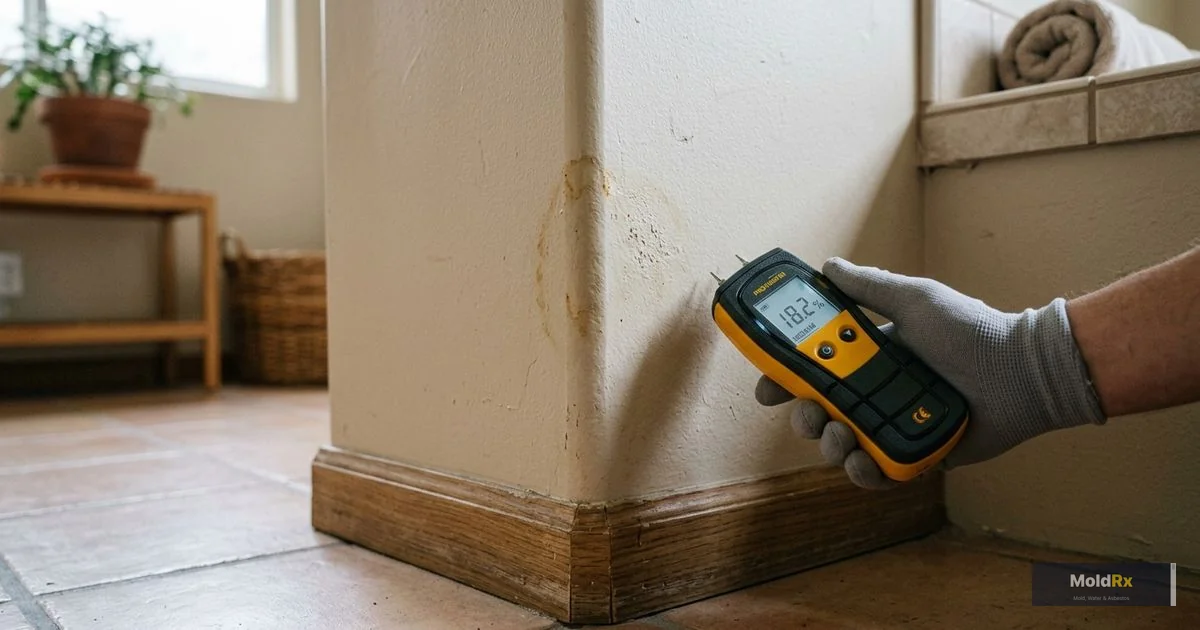
A positive mold test means indoor spore levels are elevated above outdoor baselines — but your next step depends on what species were found, how elevated the counts are, and whether the results point to a concealed moisture problem. Here is a step-by-step action plan from positive test to clearance, including what not to do and how long the process takes.
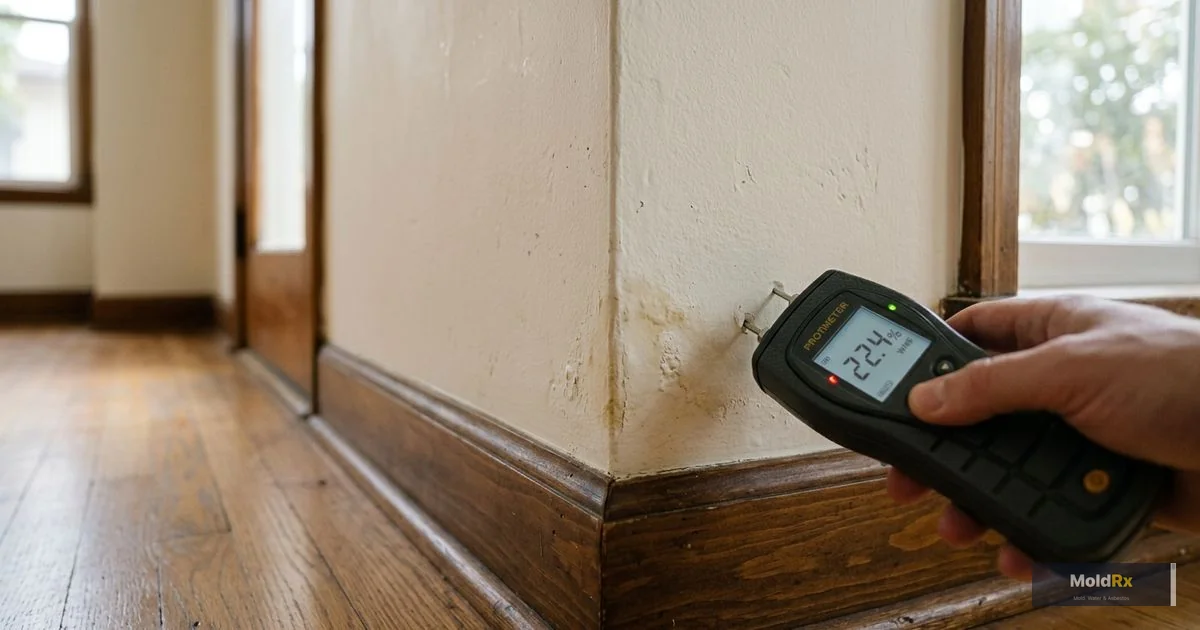
A negative mold air test doesn't always mean your home is mold-free — it means airborne spores weren't detected at the specific time and location of sampling. Mold can hide behind walls, go dormant, or simply avoid the test area. Here's why results come back clean when your nose says otherwise, what else could cause the smell, and what to do next.
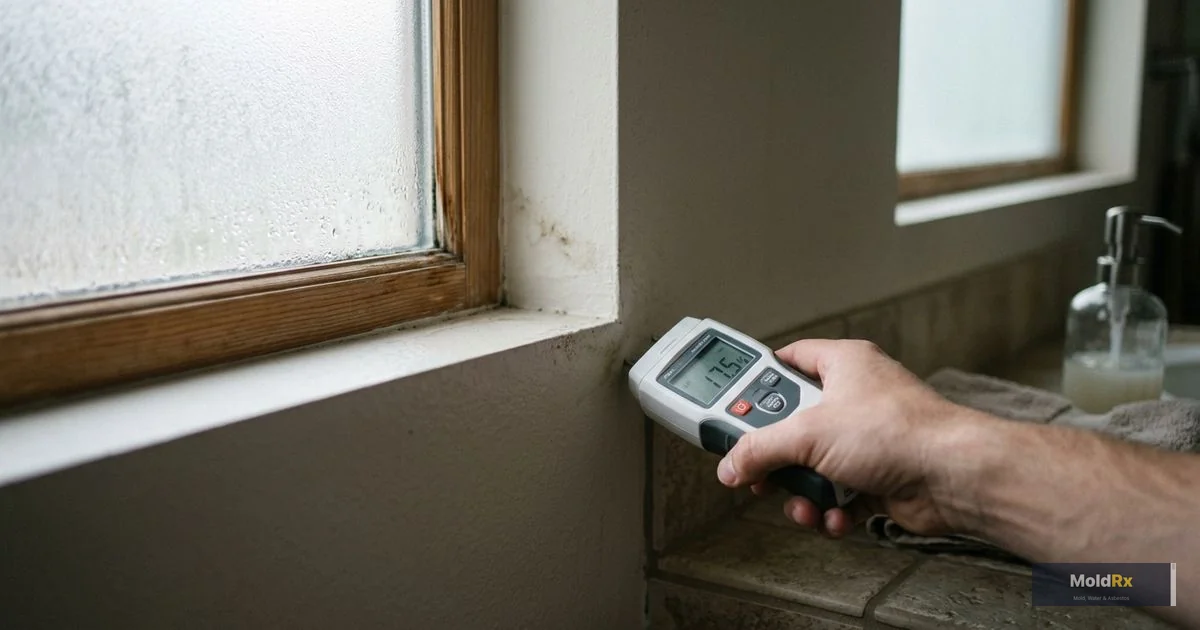
Mold test results compare indoor spore counts to outdoor baselines — there is no universal "safe" number. Understanding what species were found, how their concentrations compare to controls, and which patterns suggest a problem is the key to making sense of your report and deciding what to do next.
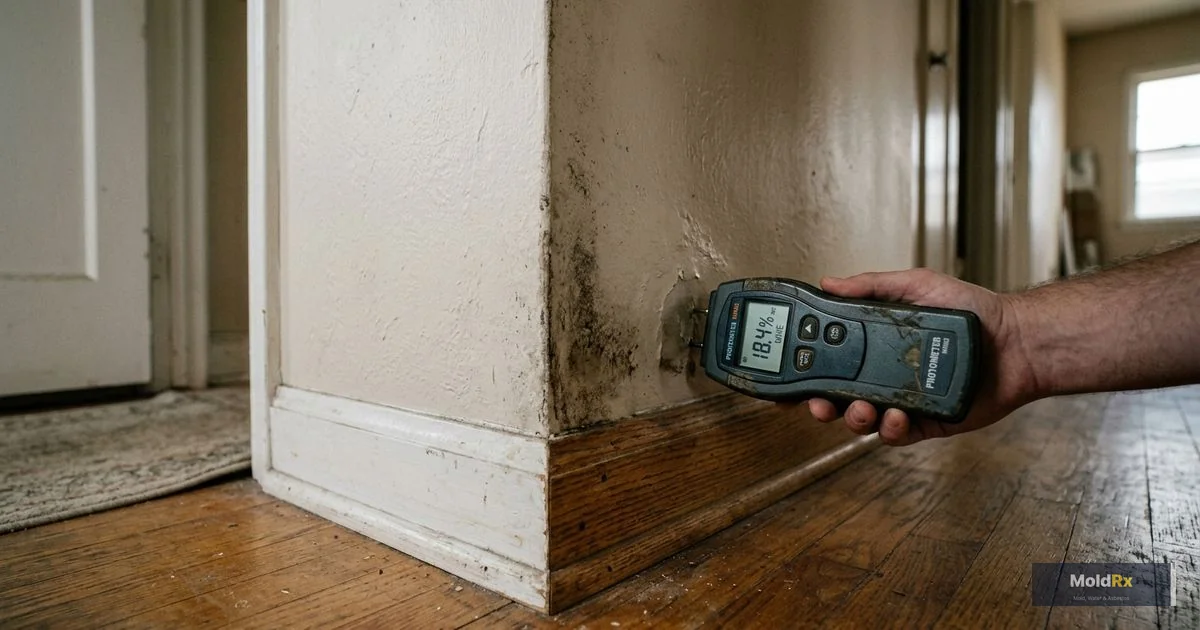
Your mold inspector and your mold remediation company should always be different companies. When the same company profits from both finding mold and fixing it, there is no one protecting your interests. Here's how to find an independent, qualified mold inspector — and what to expect from the process.
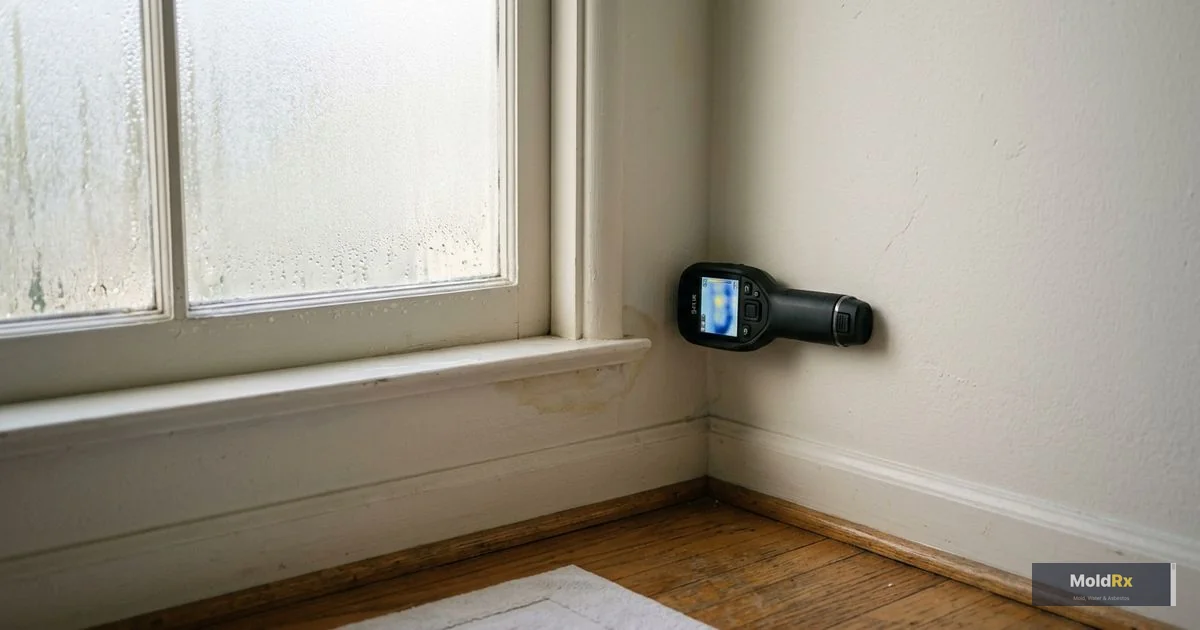
Home mold test kits will almost always show mold -- because mold spores are everywhere -- but they can't tell you whether you actually have a problem. Without an outdoor baseline, spore counts, species identification, or moisture assessment, a store-bought kit gives you a result that looks like an answer but doesn't mean what you think it means.
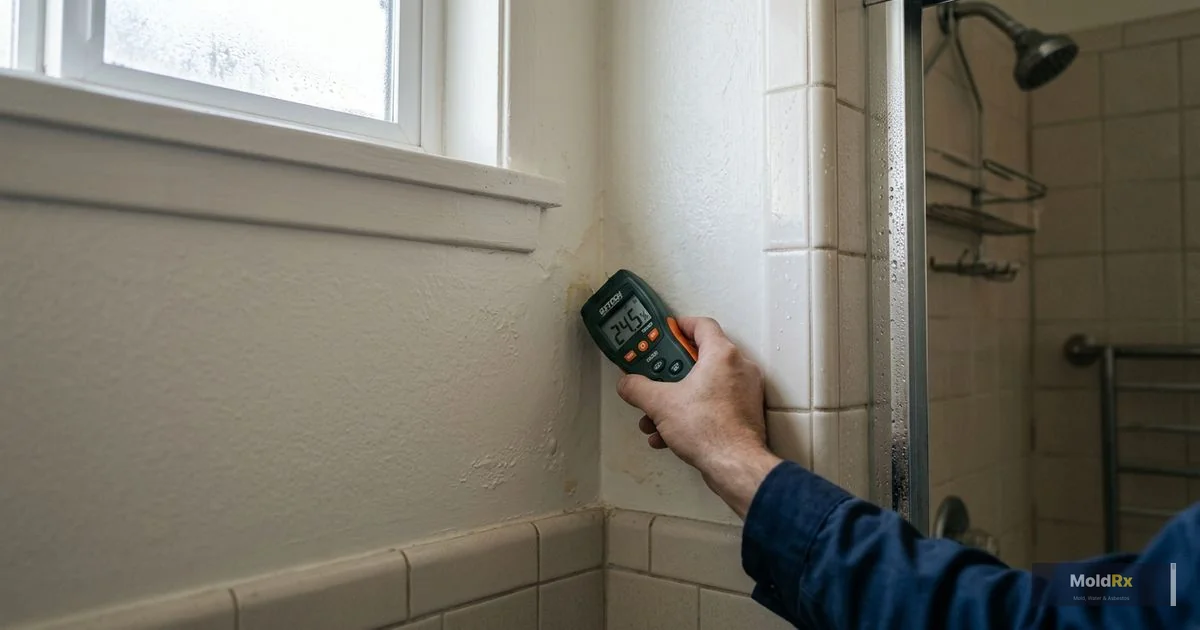
For most residential mold assessments, standard air sampling is the better choice -- it's faster, more affordable, widely accepted by insurers and courts, and directly measures what you're breathing right now. ERMI testing has a specific niche for long-term exposure screening and species-level identification, but it's often oversold as a superior alternative when it's really a different tool for a different question.
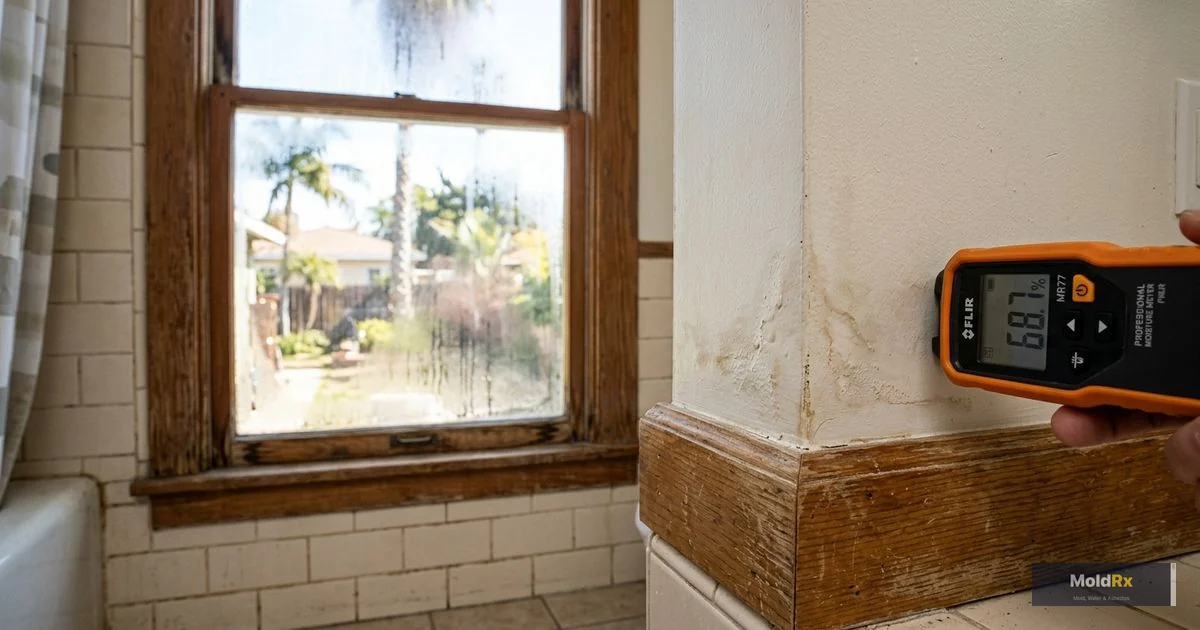
There are thousands of mold species, but only about 10–12 show up regularly on California home inspection reports. Here's what each one looks like, where it grows, what it means for your health, and how to interpret your test results without panic or false reassurance.
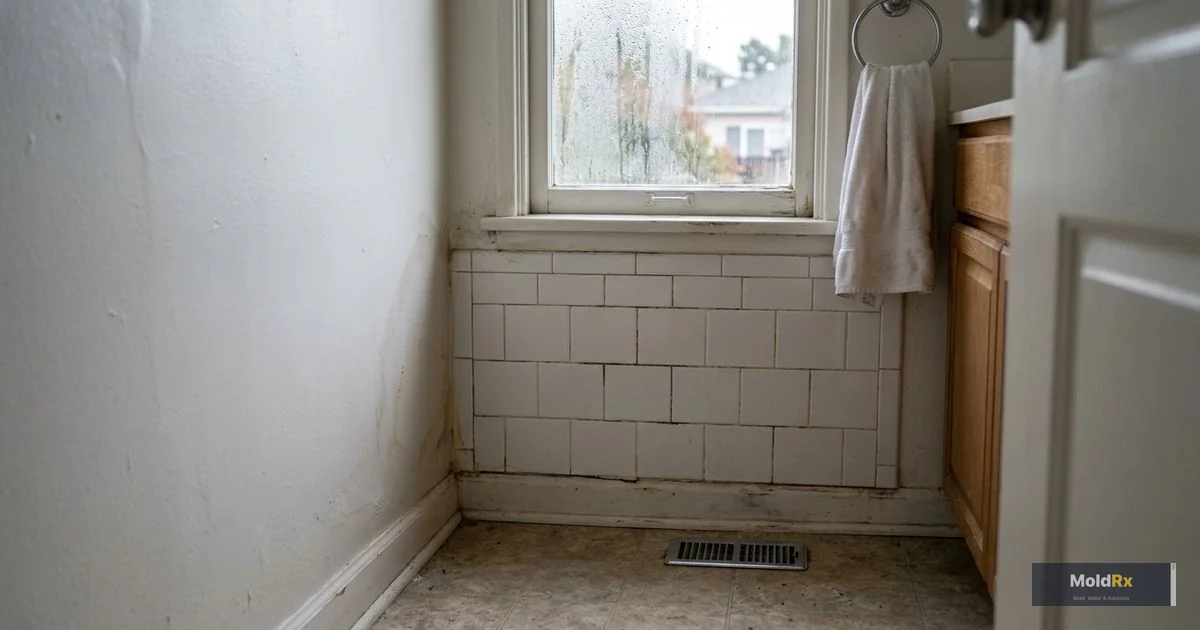
Yes -- mold testing can be wrong. A single round of air sampling is a snapshot, not a guarantee, and results can miss real problems or flag non-problems depending on conditions, sample locations, timing, and interpretation. Understanding what causes false negatives and false positives helps you get the most reliable picture of your home's air quality.
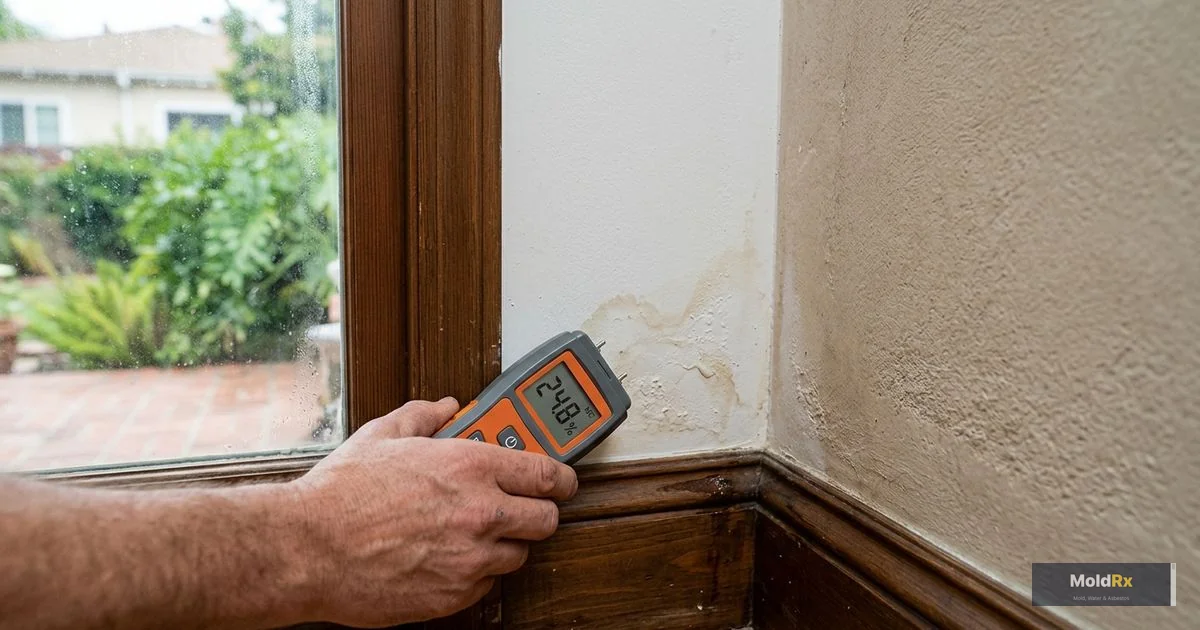
Mold prevention comes down to moisture control — and in Southern California, the moisture sources are different from what most homeowners expect. Coastal humidity, concentrated rainfall, stucco that traps water behind walls, and HVAC condensation all create conditions mold needs to grow. This room-by-room and seasonal checklist covers the specific prevention steps that actually matter for SoCal homes.
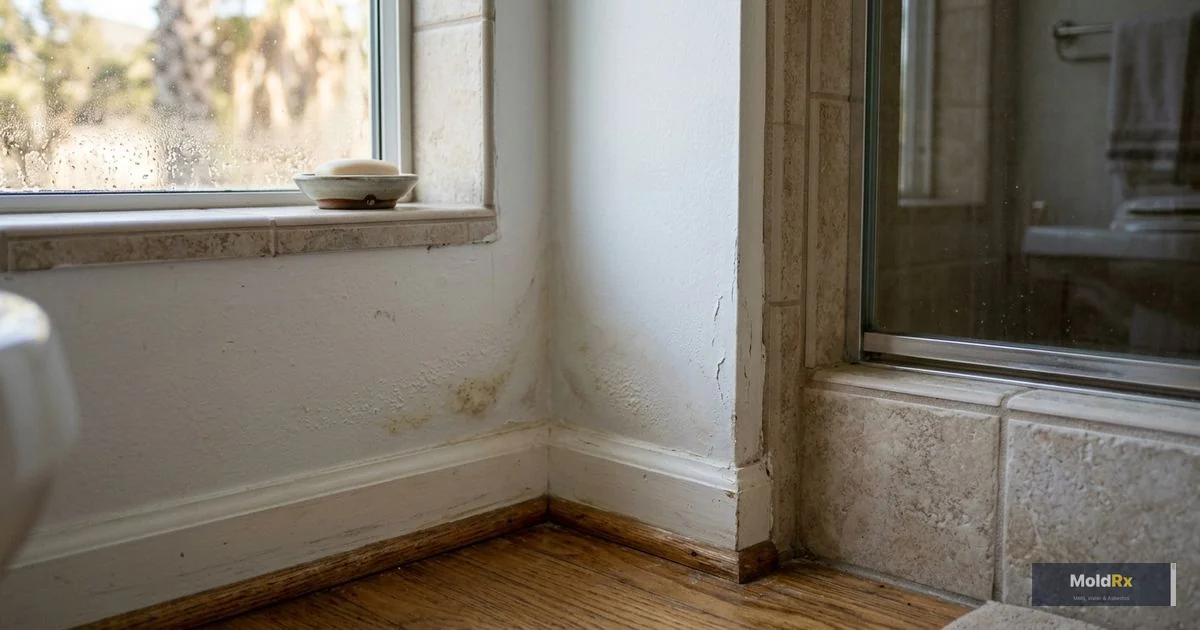
Keep indoor relative humidity between 30% and 50% — above 60%, you're in mold territory. Southern California's microclimates make humidity control more complicated than most homeowners realize. Coastal homes fight marine layer moisture while inland homes battle HVAC condensation in desert heat. This guide covers how to measure humidity, manage it room by room, and recognize when moisture problems have moved beyond what a dehumidifier can fix.
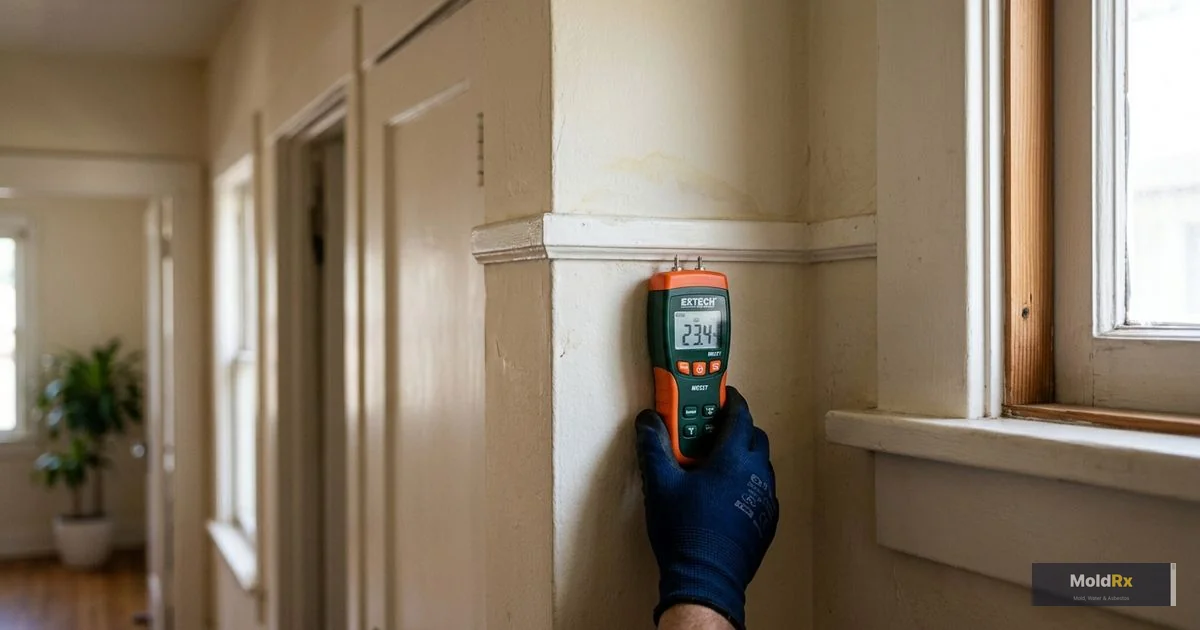
Mold prevention after remediation isn't a one-time fix — it's ongoing moisture control. Remediation eliminates the contamination and corrects the original water source, but your home still has building materials mold can feed on and a climate that can deliver new moisture. Here's how to keep your home clean permanently through humidity monitoring, ventilation, maintenance, and seasonal vigilance.
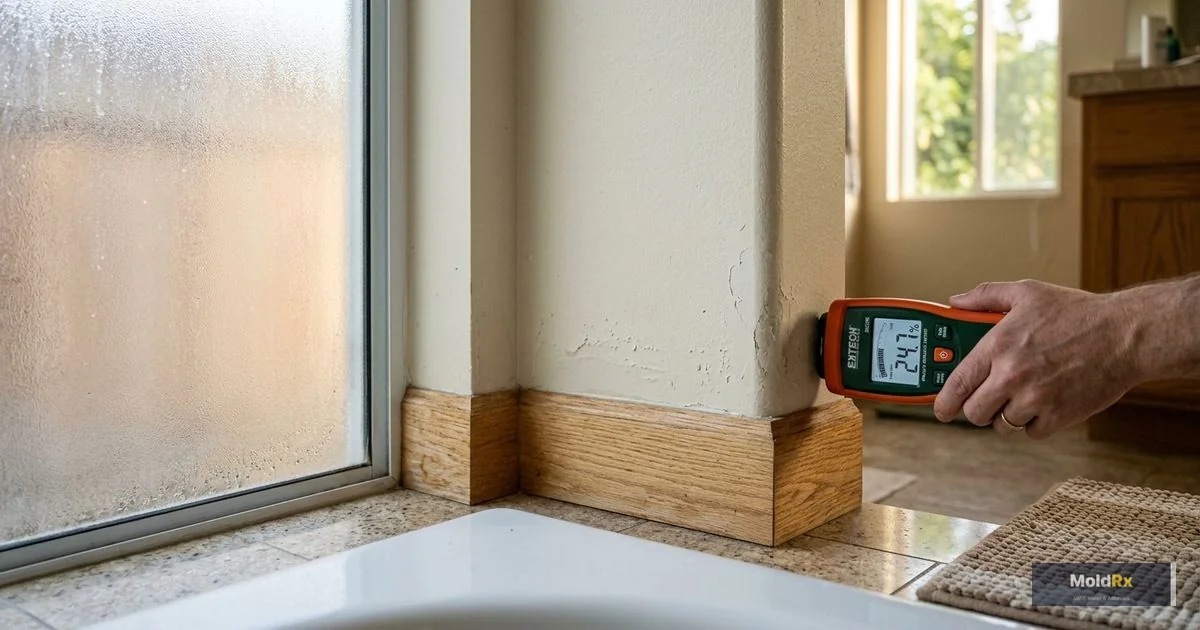
Clearance testing happens immediately after remediation, but retesting months later is a different decision. You should retest if symptoms return, a new water event occurs, musty odors develop, or a real estate transaction requires documentation. Here's how to know when retesting is warranted, when it isn't, and what the results mean.
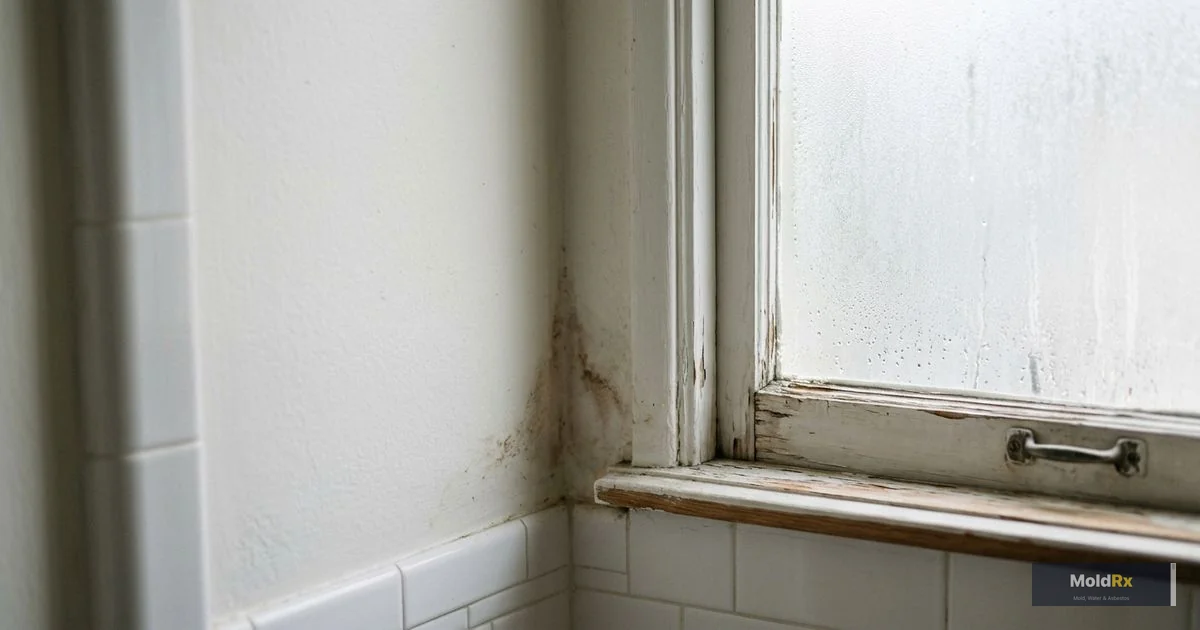
The crew has left, containment is down, and clearance testing passed. Now what? Here's the full recovery timeline after mold remediation — when air quality normalizes, what reconstruction involves, how long to monitor for recurrence, and what's actually worth worrying about versus what's completely normal.
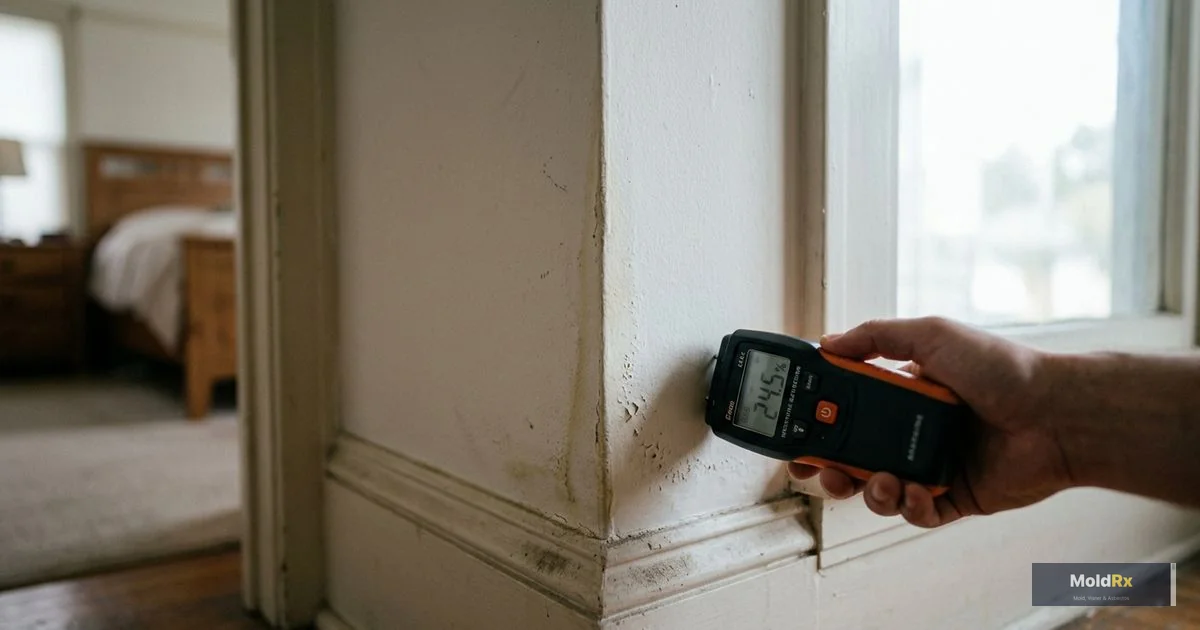
Clearance testing is the only way to verify that mold remediation actually worked. An independent inspector compares post-remediation air and surface samples against outdoor baselines to confirm contamination has been eliminated. Here's what the process involves, how to read the results, and what happens if your project doesn't pass.
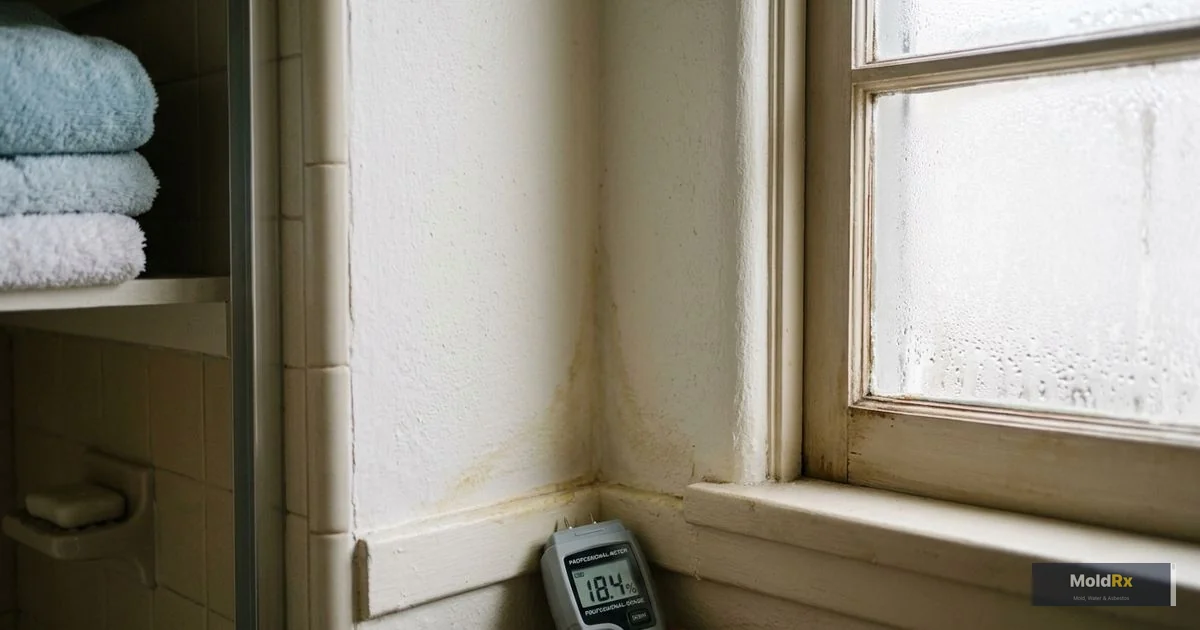
Most preparation for mold remediation can be done in a single afternoon. Clear furniture from the work area, protect valuables, turn off the HVAC, arrange care for pets and children, and give the crew clear access. Here's the complete checklist — plus what you should leave for the remediation company to handle.
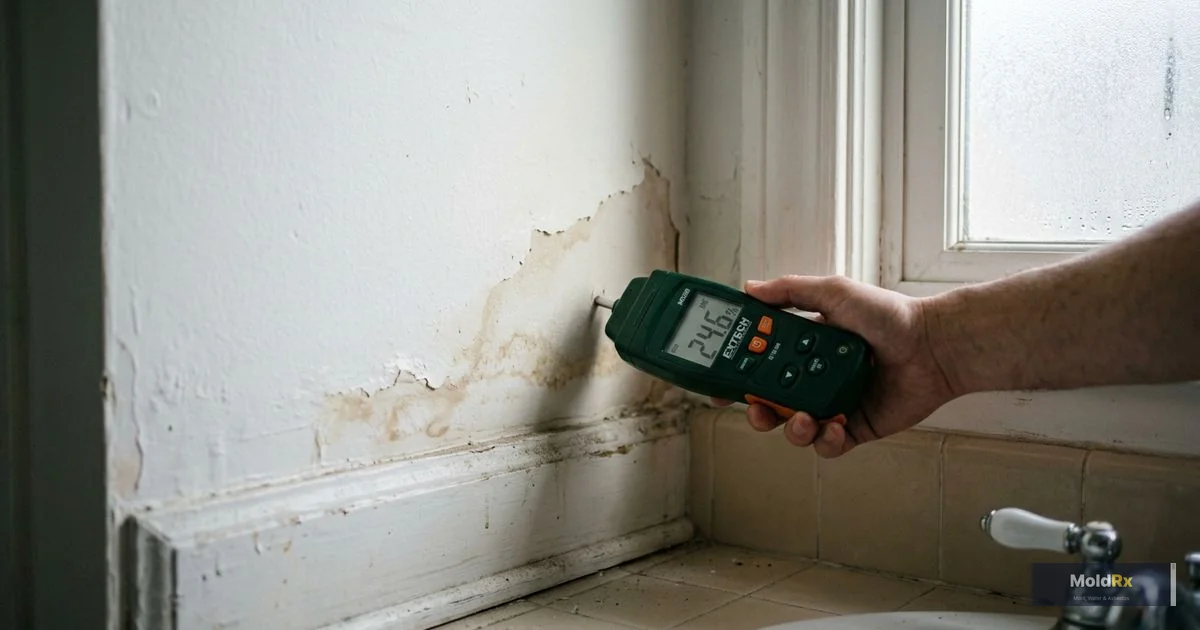
Standard home inspections don't specifically test for mold, hidden water damage, or asbestos — and in Southern California's older housing stock, those are three of the most expensive problems you can inherit. Use this room-by-room and era-by-era checklist to know what your general inspector will miss, when to order specialized testing, and how to turn findings into negotiation leverage before you close.
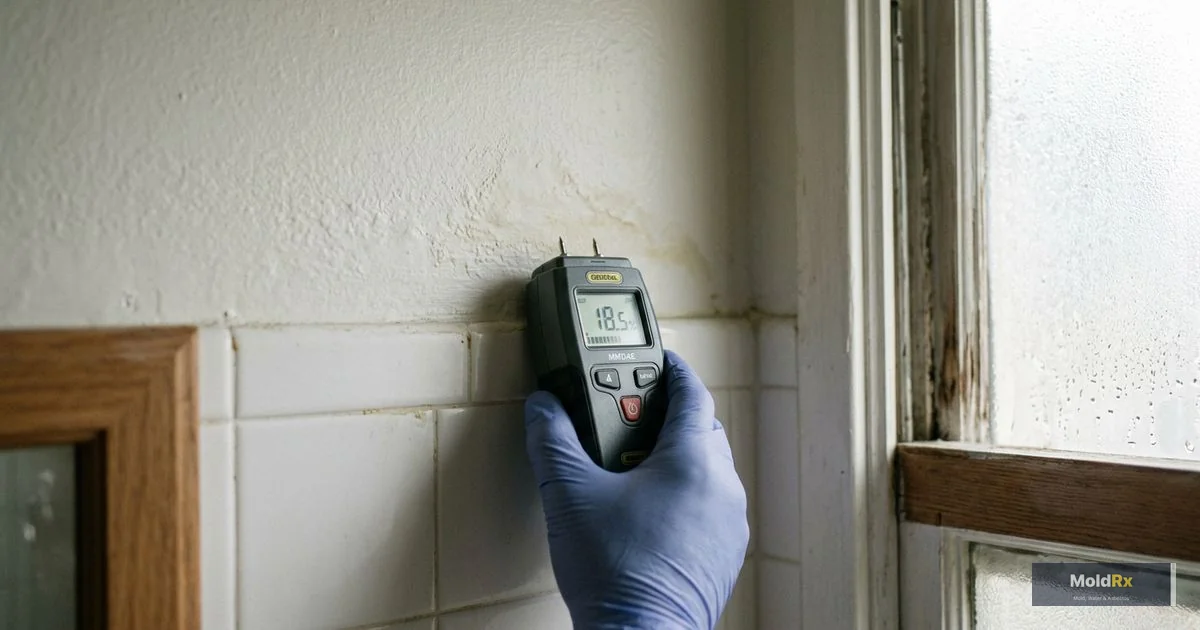
Mold found during a home inspection isn't necessarily a deal-killer — but how you handle it determines the outcome. Buyers should request professional testing, negotiate remediation with clearance documentation, and never close without verification. Sellers benefit from proactive testing and remediation before listing. Here's what both sides of the transaction need to know, including California disclosure requirements.
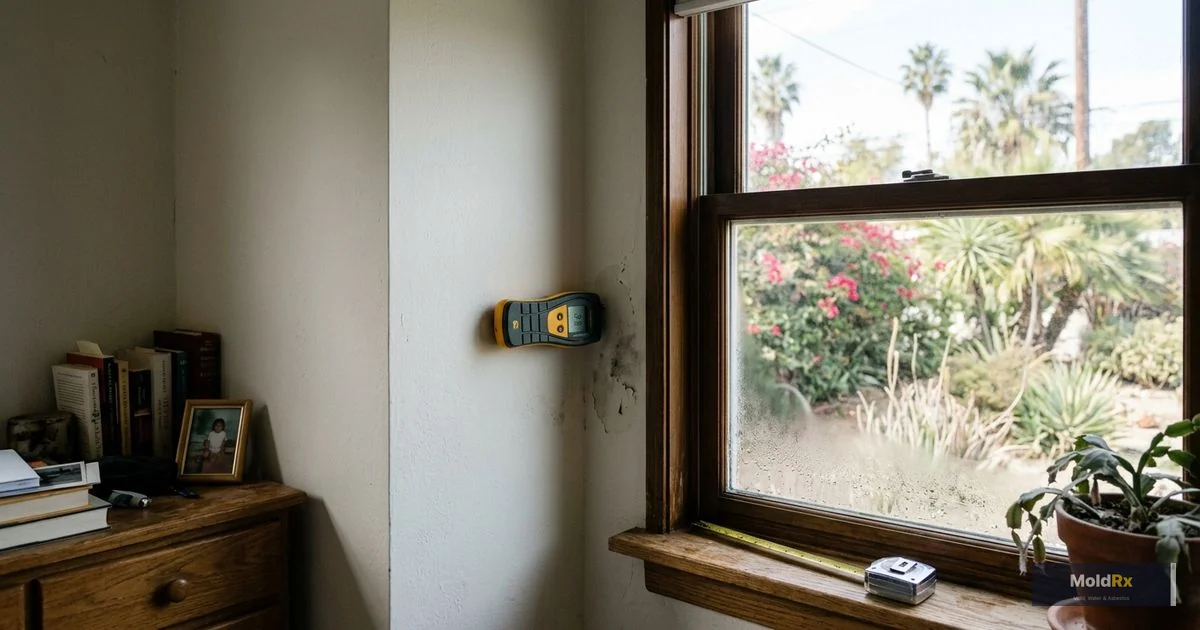
Property managers face unique liability when mold or water damage appears in a unit. Fast response, thorough documentation, and the right vendor relationships protect you legally, financially, and operationally. Here's a complete guide to tenant complaint protocols, preventive maintenance, multi-unit considerations, California landlord obligations, and vendor selection for commercial and residential portfolios.
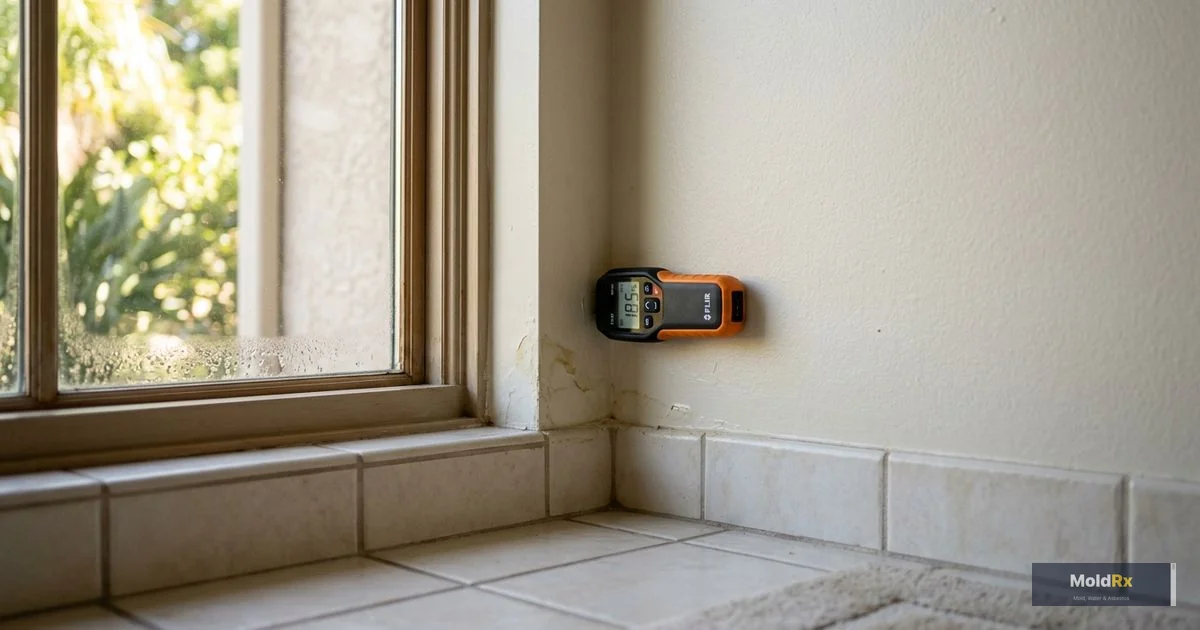
The remediation industry has bad actors who exploit emergencies and homeowner fear. Here are the specific scam tactics dishonest contractors use — and exactly how to protect yourself from every one of them.
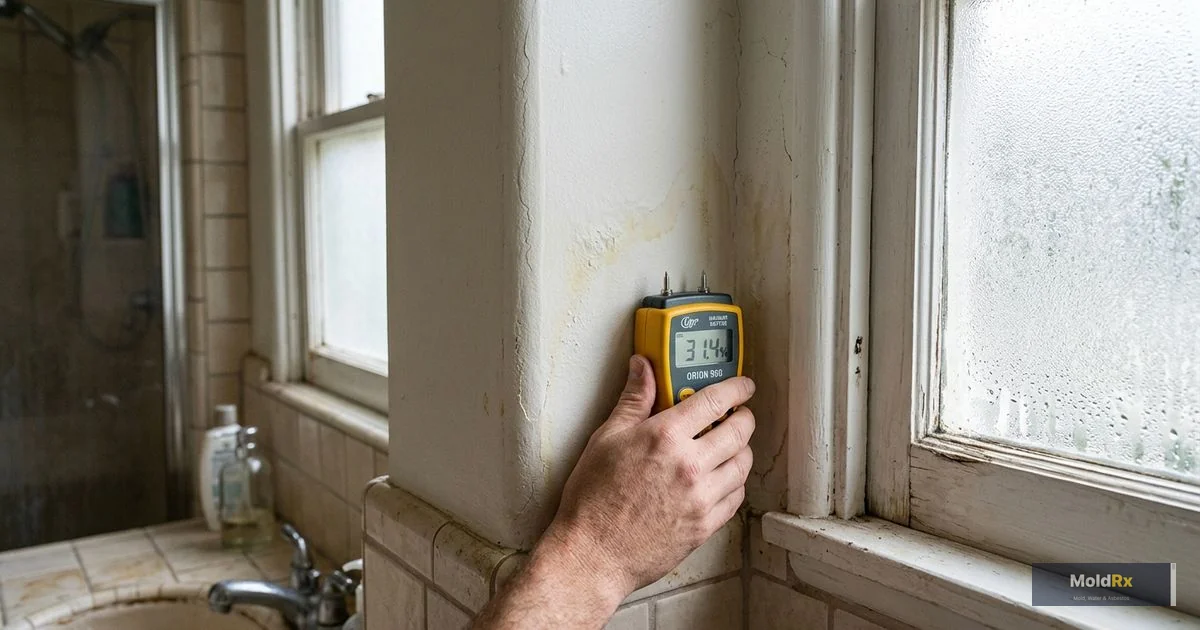
IICRC S520 is the industry standard for mold remediation — but it's not the only credential that matters. Here's a complete breakdown of certifications, licenses, and insurance requirements so you can verify that the company you hire is actually qualified to do the work.
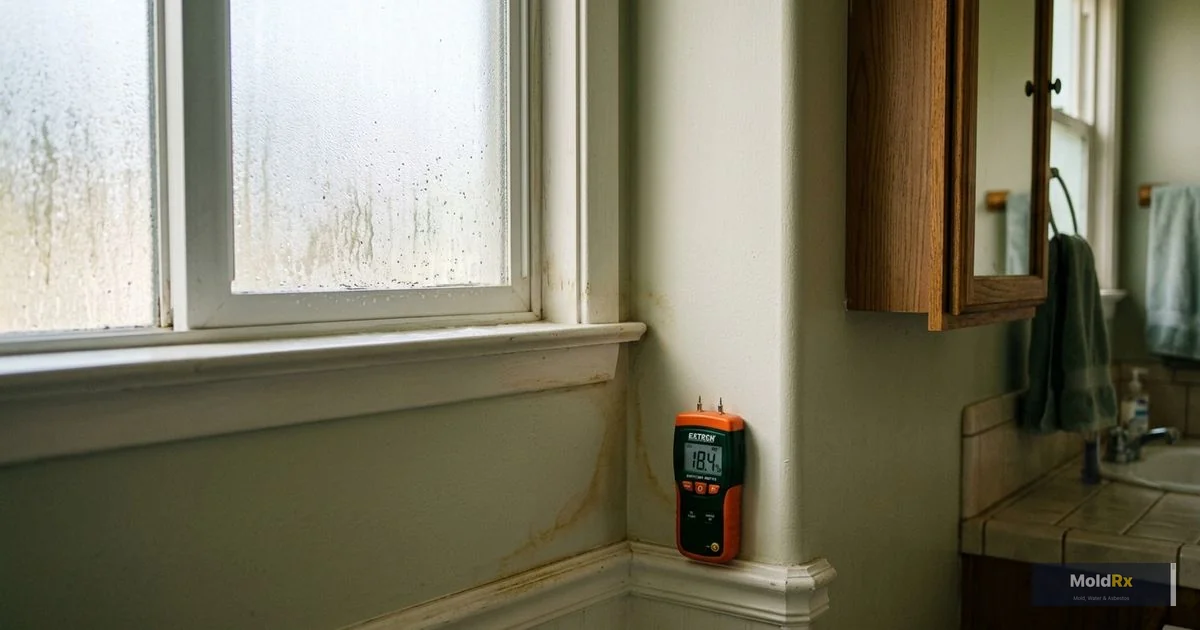
Choosing the wrong mold remediation company can leave you with recurring mold, wasted money, and no documentation to show for it. Here's exactly what to look for — and what to avoid — so you hire the right company the first time.
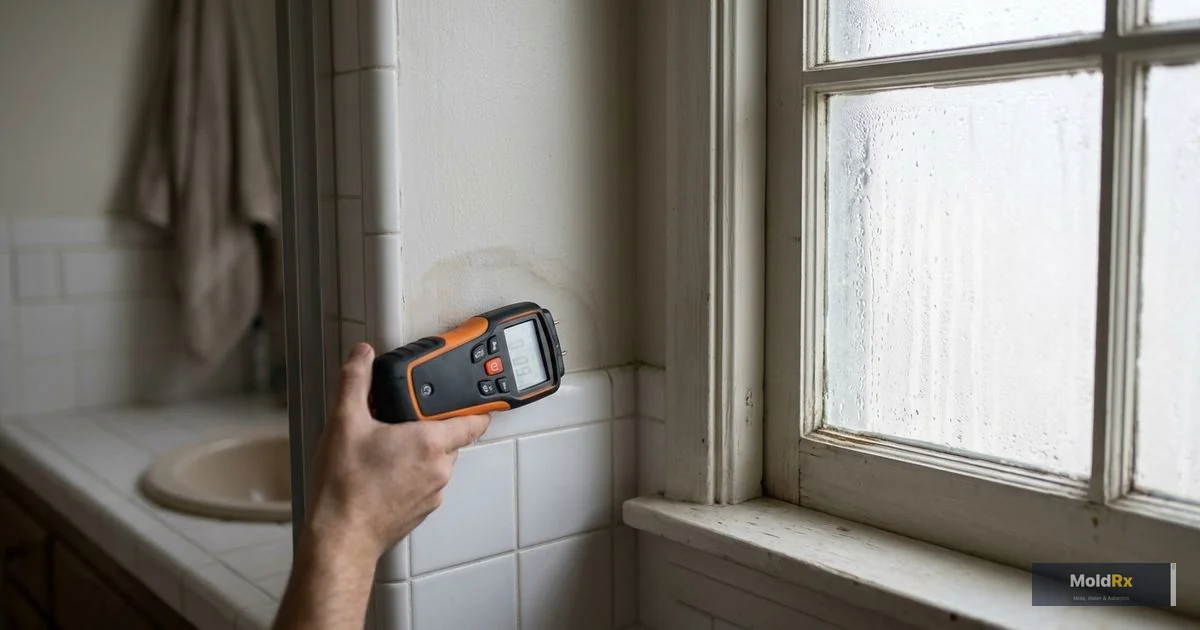
The dividing line between DIY and professional remediation isn't whether you're handy — it's the size of the affected area, the type of surface involved, and whether the moisture source has been identified. Some mold and water damage situations are genuinely manageable for homeowners. Others require containment, commercial equipment, and protocols that no amount of YouTube research can replace. Here's an honest breakdown of when you can handle it and when you need to call.
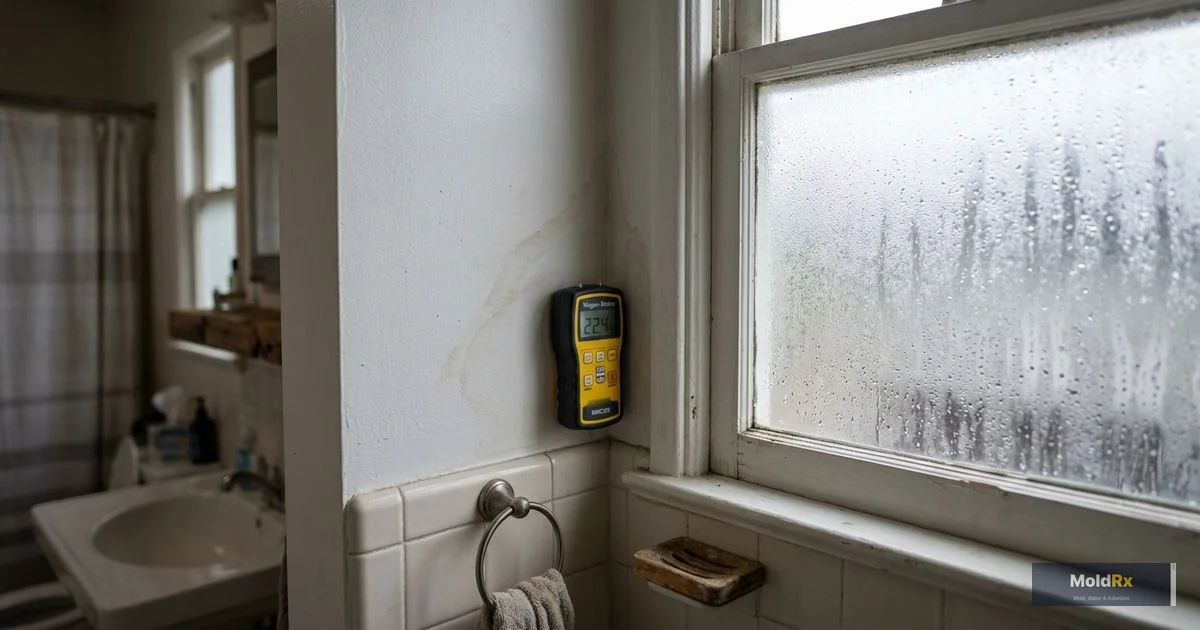
In California, mold responsibility in HOA communities depends on where the mold originates and what the CC&Rs say. Common area moisture sources — roof leaks, shared plumbing, exterior walls — are typically the HOA's responsibility. Mold from unit-interior sources like owner appliances or bathrooms falls on the individual owner. Here's how to determine who pays, what the Davis-Stirling Act requires, and what to do when responsibility isn't clear.
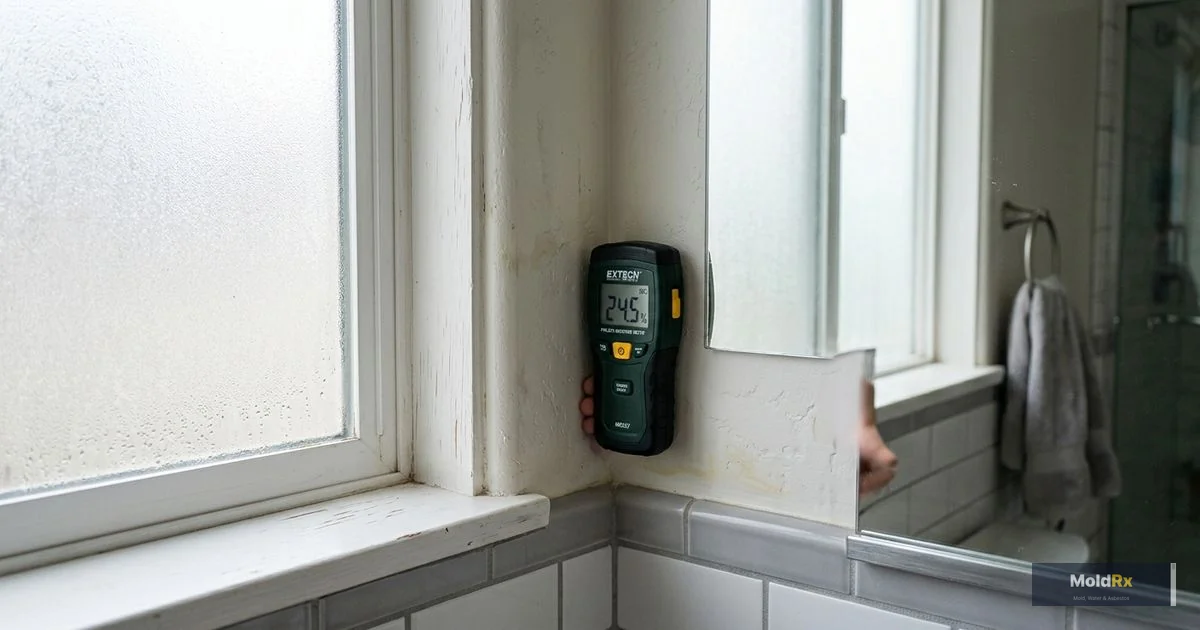
California law requires landlords to maintain habitable rental conditions, which includes addressing mold caused by structural deficiencies, plumbing failures, and inadequate ventilation. Tenants are responsible for promptly reporting moisture problems and maintaining reasonable airflow. Here's what both parties need to know about their legal obligations, response timelines, and when professional remediation is required.
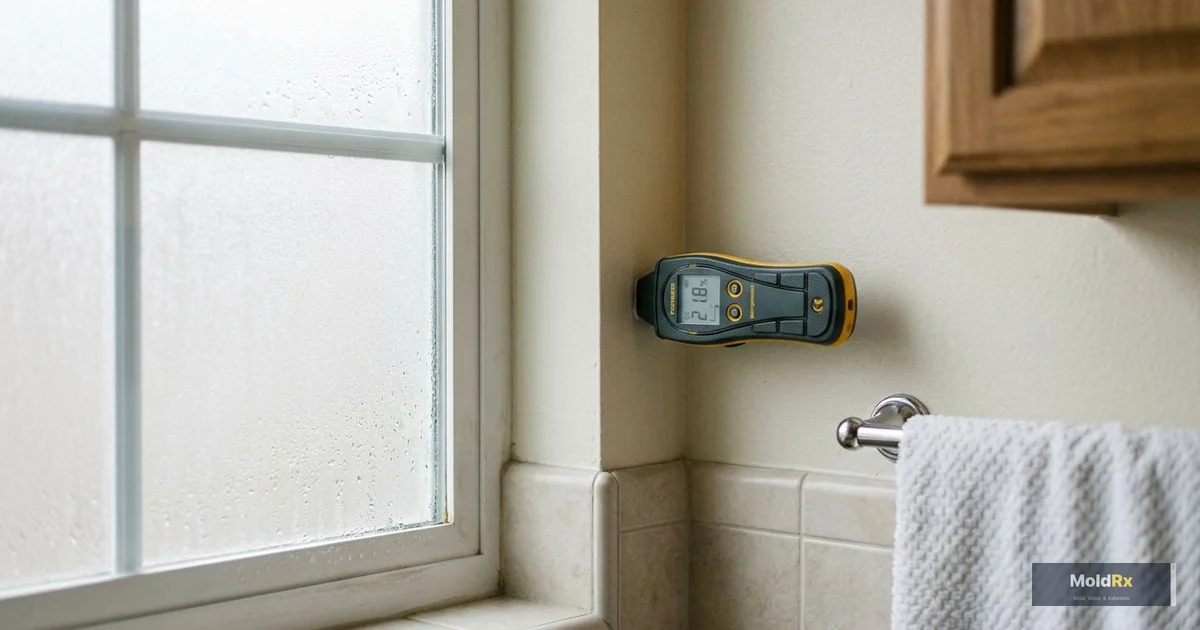
New homes get mold too — and it's more common than most buyers expect. Construction moisture trapped behind drywall, fast build timelines that skip drying time, concrete slab vapor, contaminated HVAC ductwork, and tight building envelopes that seal moisture inside all create conditions for mold growth before you've even moved in. Here's why new construction is vulnerable, where to look, and what your options are when you find it.
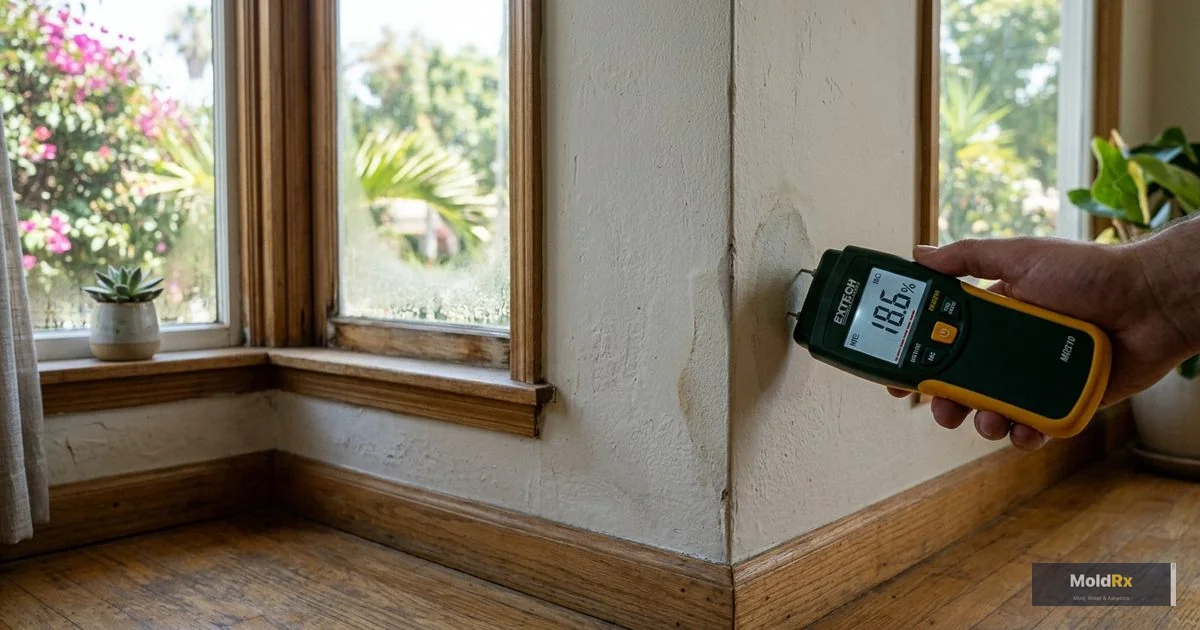
Orange County homes built in the 1950s through 1970s carry risks that newer construction doesn't — corroding plumbing beneath the slab, asbestos in materials that look harmless, aging roofs and electrical systems, and foundation issues that worsen with every year. Knowing what your home's decade of construction means for its condition today is the first step toward protecting it.
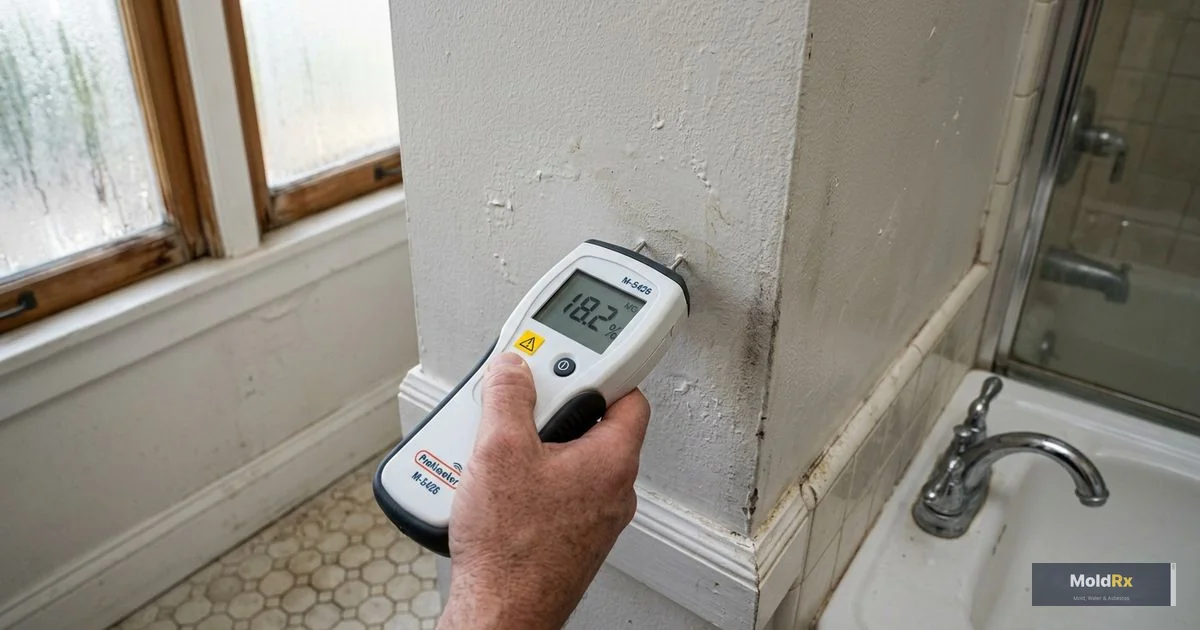
The Inland Empire's extreme temperature swings and heavy HVAC dependence create mold conditions that most residents never expect. Hard water corroding copper pipes, swamp coolers pumping moisture indoors, new construction settling on expansive soils, and desert monsoon flooding make Riverside and San Bernardino County properties uniquely vulnerable — despite the dry heat.
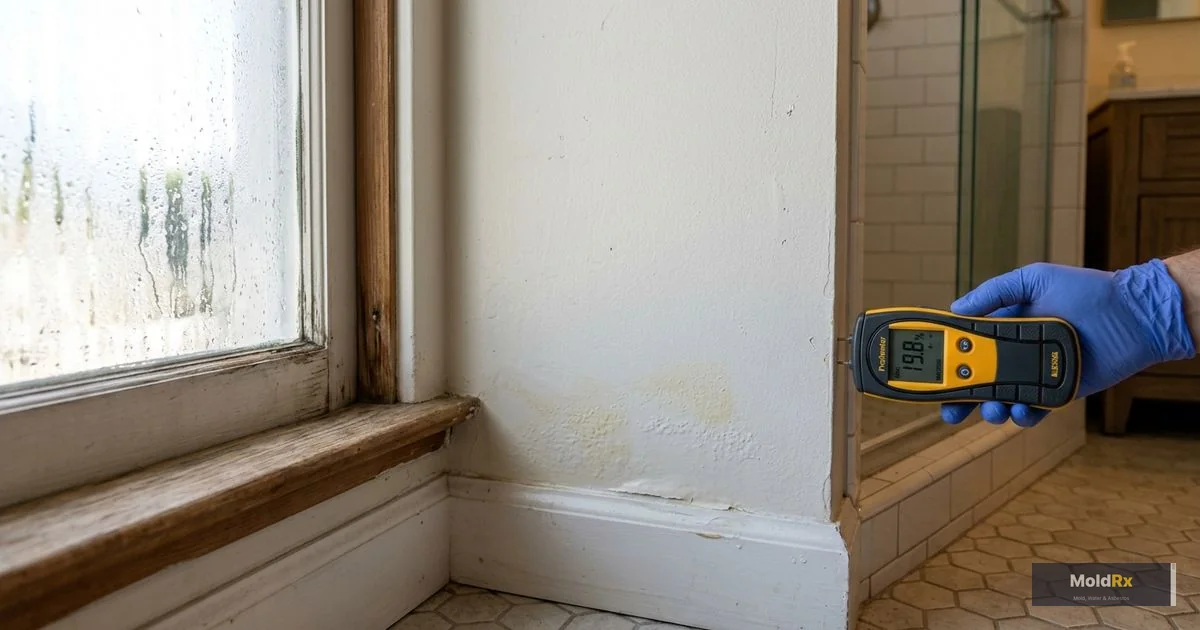
Mold returns after cleaning because the moisture source wasn't fixed, the cleaning didn't reach the root structures growing inside porous materials, or both. Bleach, scrubbing, and even commercial mold sprays only address the visible surface — they don't eliminate the colony or change the conditions that created it. Here's why DIY mold removal fails so often and what actually works to stop the cycle.
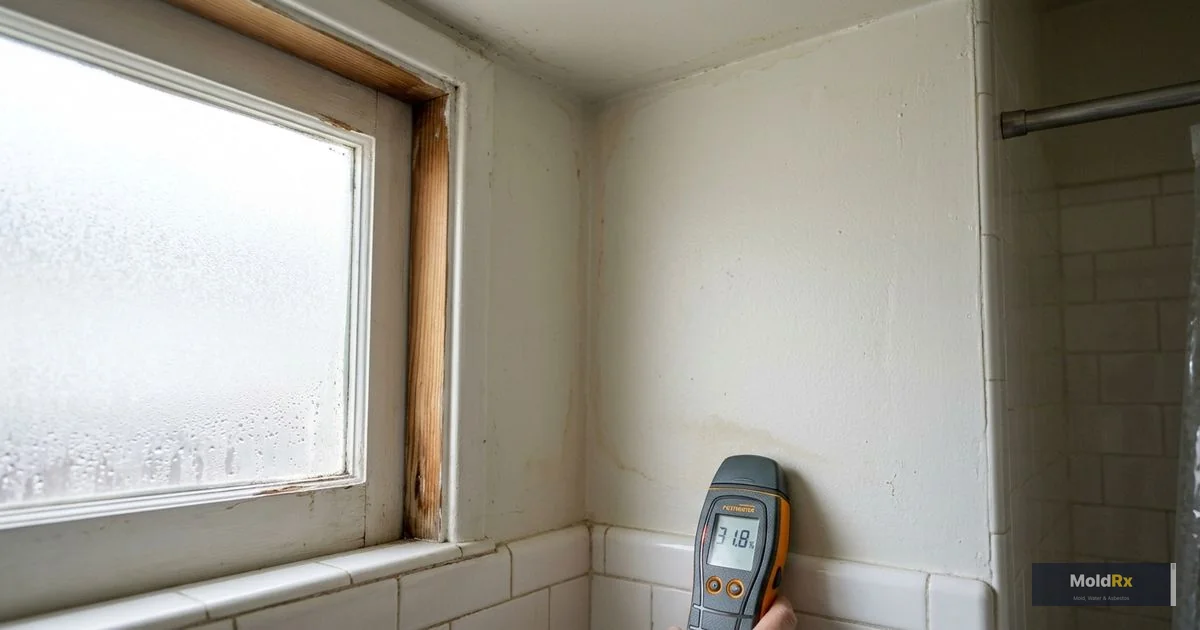
Mold begins colonizing flood-damaged materials within 24 to 48 hours — but flood water accelerates the process far beyond what a typical pipe leak would cause. The contamination level, organic debris, and sheer volume of water involved in flooding create conditions where mold growth is faster, more widespread, and harder to contain. Here's the hour-by-hour timeline and what it means for your response.
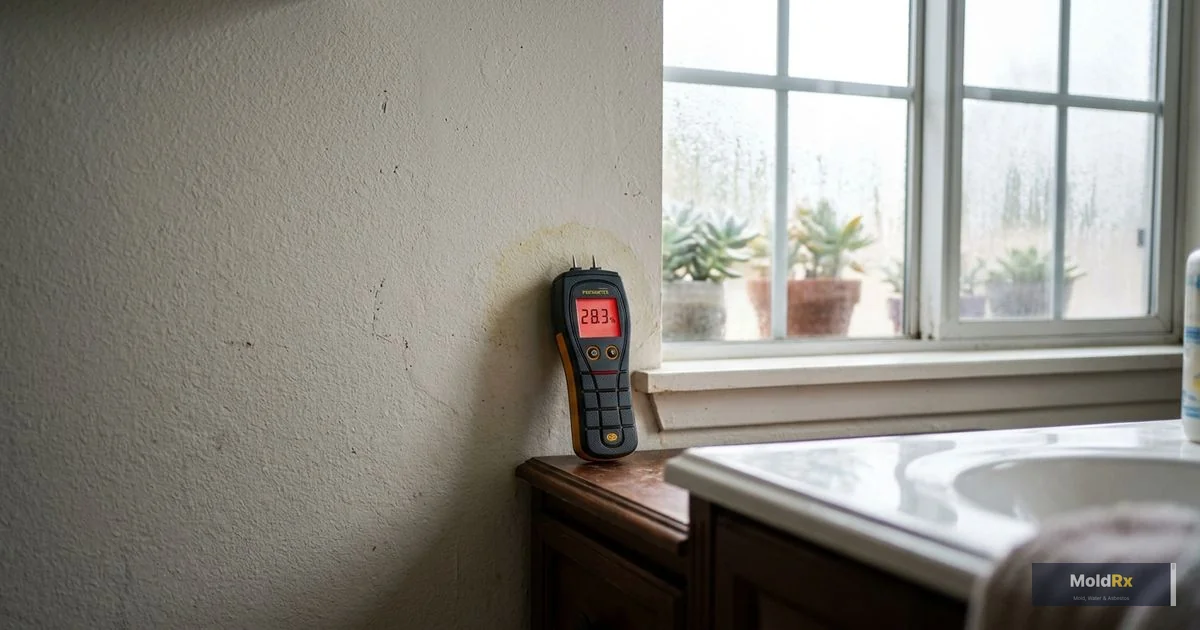
A roof leak creates one of the most effective hidden mold environments in a home. Water enters the attic, soaks insulation and sheathing, and stays wet in a dark, unventilated space — conditions that can produce widespread mold colonization before any visible sign appears on the ceiling below. Here's how roof leaks cause mold, where it grows, how to recognize it, and why fixing the roof alone isn't enough.
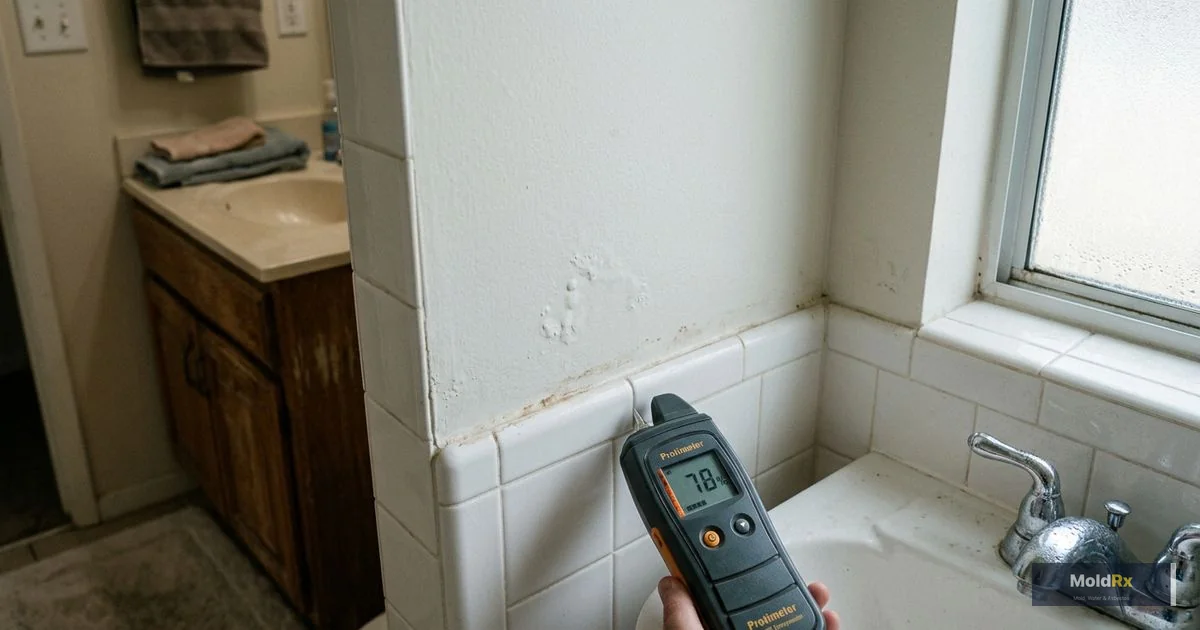
You don't need a leak to get mold. Condensation — warm humid air meeting cold surfaces — produces enough moisture to sustain active mold colonies on walls, windows, pipes, and other surfaces throughout your home. In Southern California, marine layer humidity, Santa Ana temperature swings, and HVAC cycling create condensation patterns most homeowners never suspect. Here's how condensation mold develops, where it hides, and how to stop it.
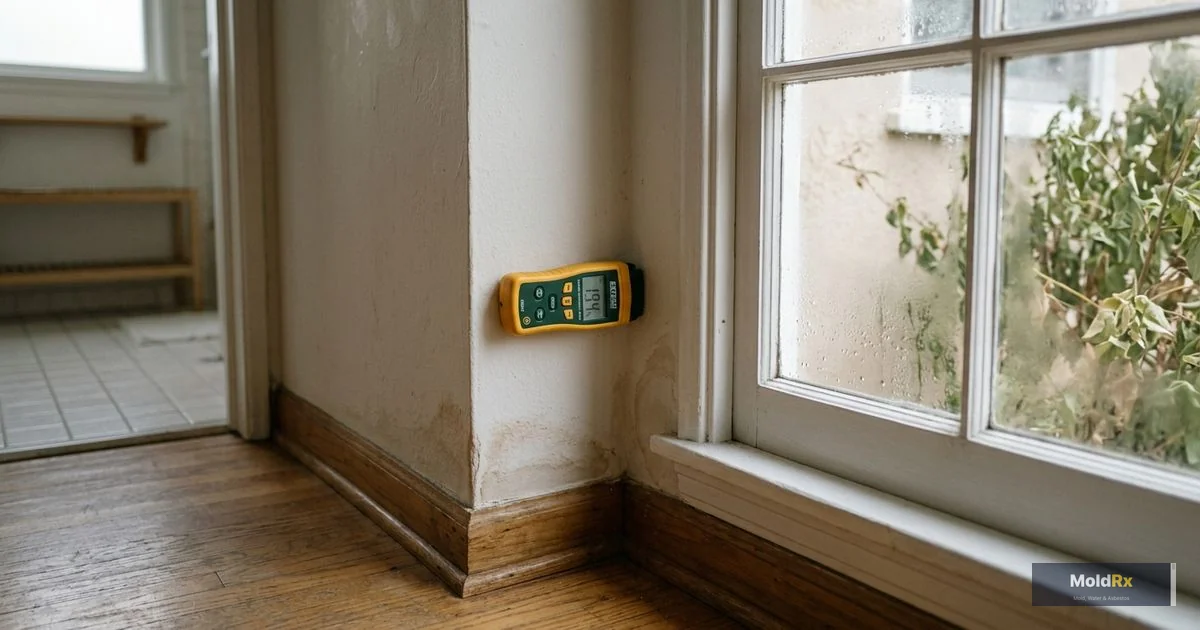
Whether moldy belongings can be saved depends almost entirely on the material. Hard, non-porous items — wood furniture, metal, glass, sealed surfaces — can usually be cleaned effectively. Porous soft goods — upholstered furniture, mattresses, heavily contaminated clothing — usually can't. Here's a material-by-material guide to help you decide what to keep, what to clean, and what to throw away.
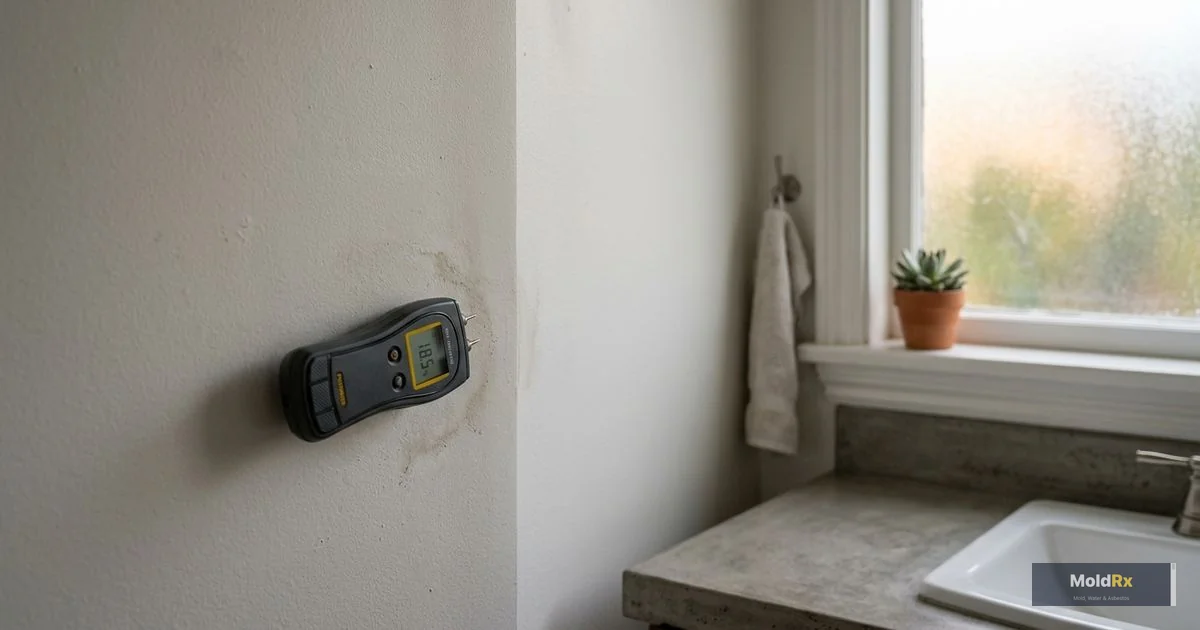
Mold grows on concrete when moisture and organic material — dust, dirt, paint, pollen — provide the right conditions. Basement walls, garage floors, foundation surfaces, and retaining walls are all vulnerable because concrete is porous and constantly wicks moisture from the surrounding soil. Here's how to identify mold on concrete, distinguish it from efflorescence, clean surface growth safely, and prevent it from returning.
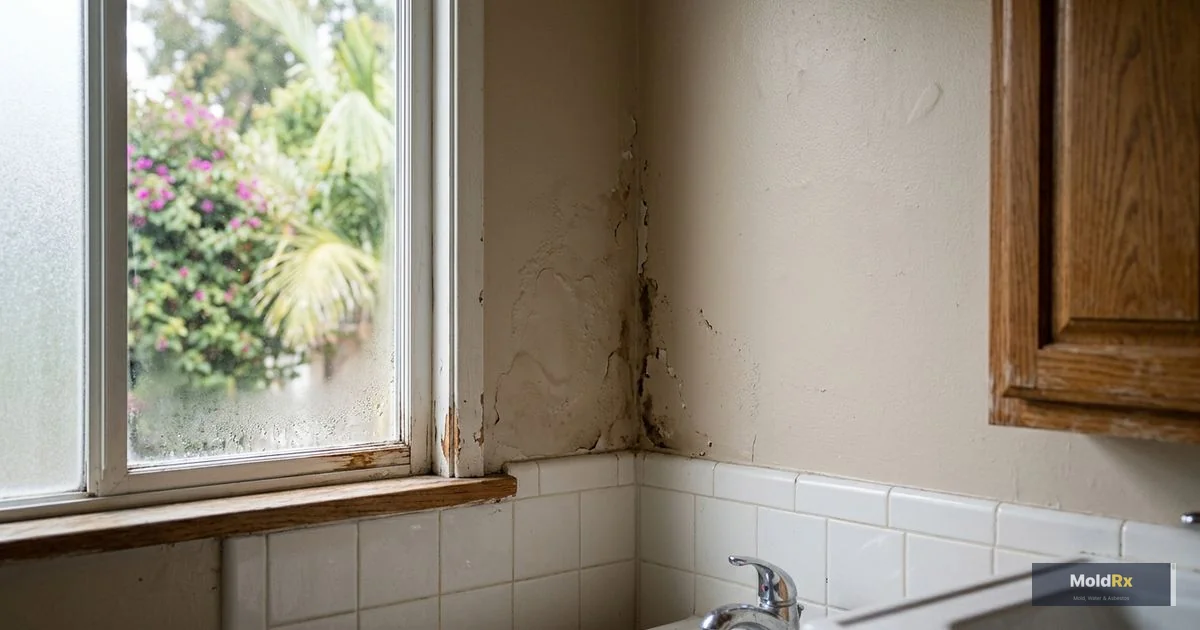
Mold under flooring is one of the most common hidden mold problems in Southern California homes. Moisture gets trapped between the subfloor and the floor covering — an enclosed space with no airflow and no way to dry — creating ideal conditions for mold to establish and spread undetected. Here's how to recognize the signs by flooring type, what causes it, and what to do about it.
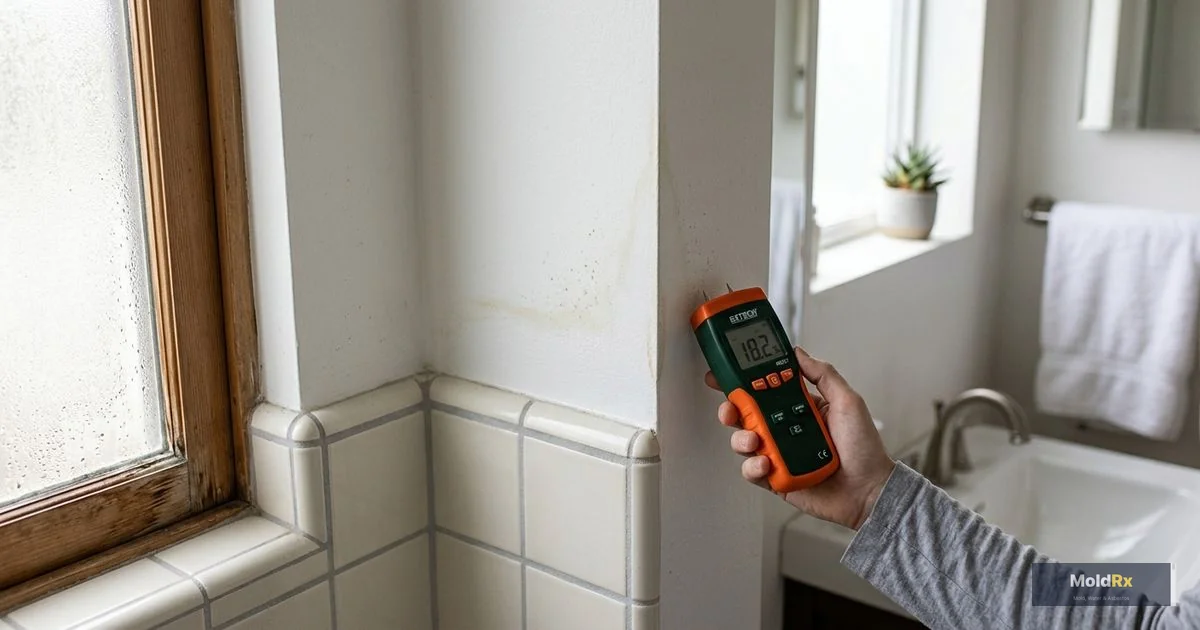
Mold around windows is usually caused by condensation, failed flashing, or both — and the visible mold on the sill or frame is often the least of the problem. Surface mold on a window sill is cleanable. Mold that has spread into the drywall, framing, or wall cavity behind the window means moisture has been accumulating longer than you realized. Here's how to tell the difference, what causes it, and when you need professional help.
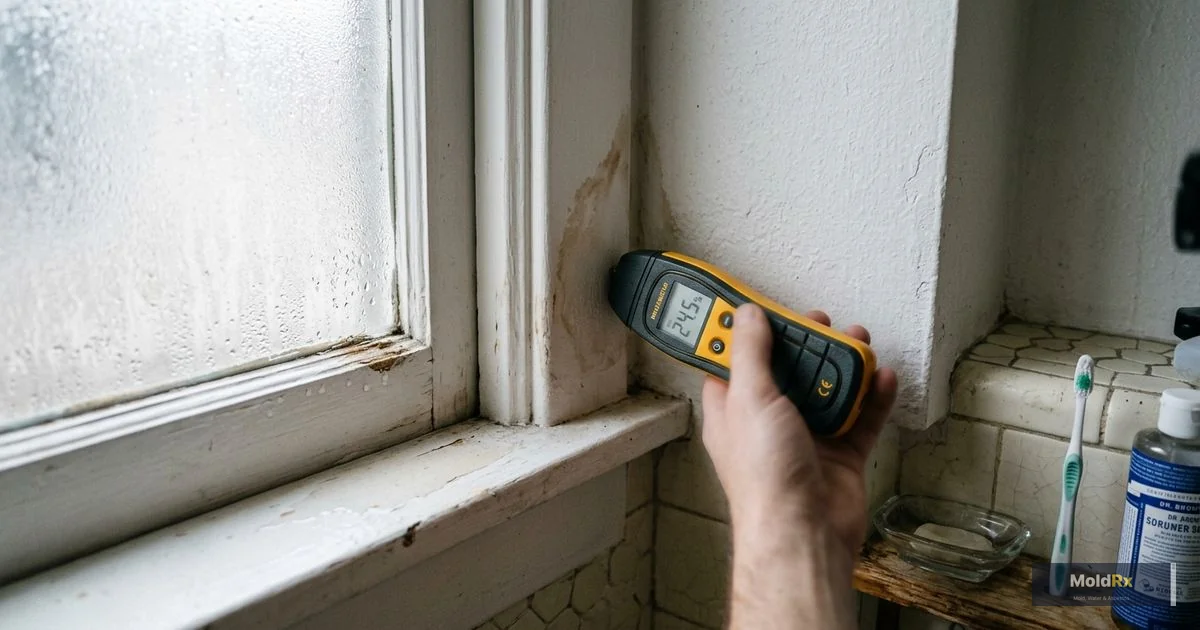
Kitchen cabinets trap moisture against walls — especially under sinks, around dishwashers, and behind cabinets mounted on exterior walls. Dark, enclosed, and rarely inspected, the space behind kitchen cabinetry is one of the most common locations for hidden mold in Southern California homes. Here's how to recognize the problem, where to look, when to handle it yourself versus calling a professional, and how to prevent it from coming back.
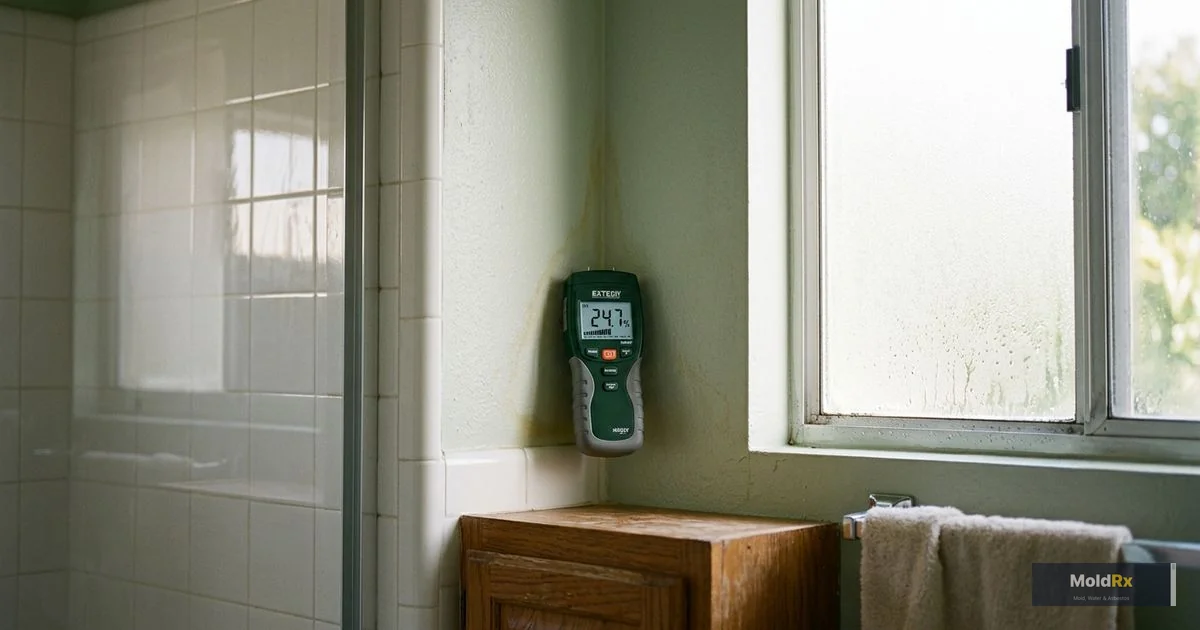
Garages are one of the most mold-prone spaces in Southern California homes — poor ventilation, temperature swings, concrete moisture, and stored organic materials create ideal growing conditions. Here's why garage mold happens, where to look for it, how to clean small areas safely, and when to call a professional.
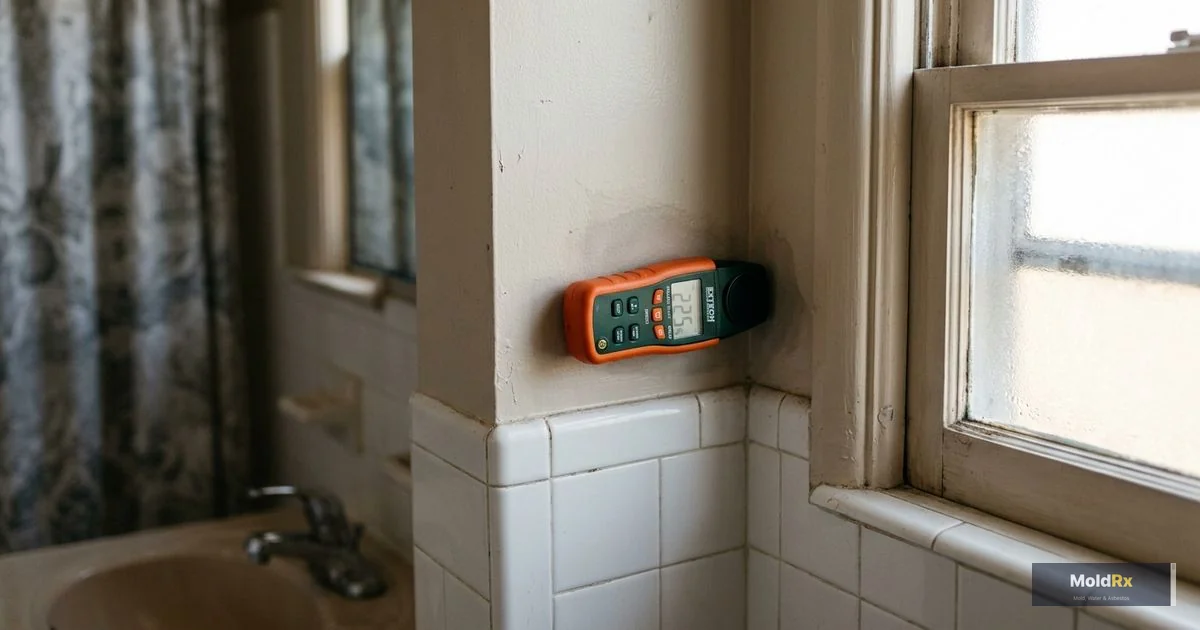
Attic mold is caused by moisture trapped in a poorly ventilated space — usually from roof leaks, bathroom exhaust vented into the attic, or inadequate soffit and ridge ventilation. In Southern California, tile roof condensation, marine layer humidity, and Santa Ana wind temperature swings create conditions most homeowners don't expect. Here's how to identify attic mold, what causes it, and what it takes to eliminate it for good.
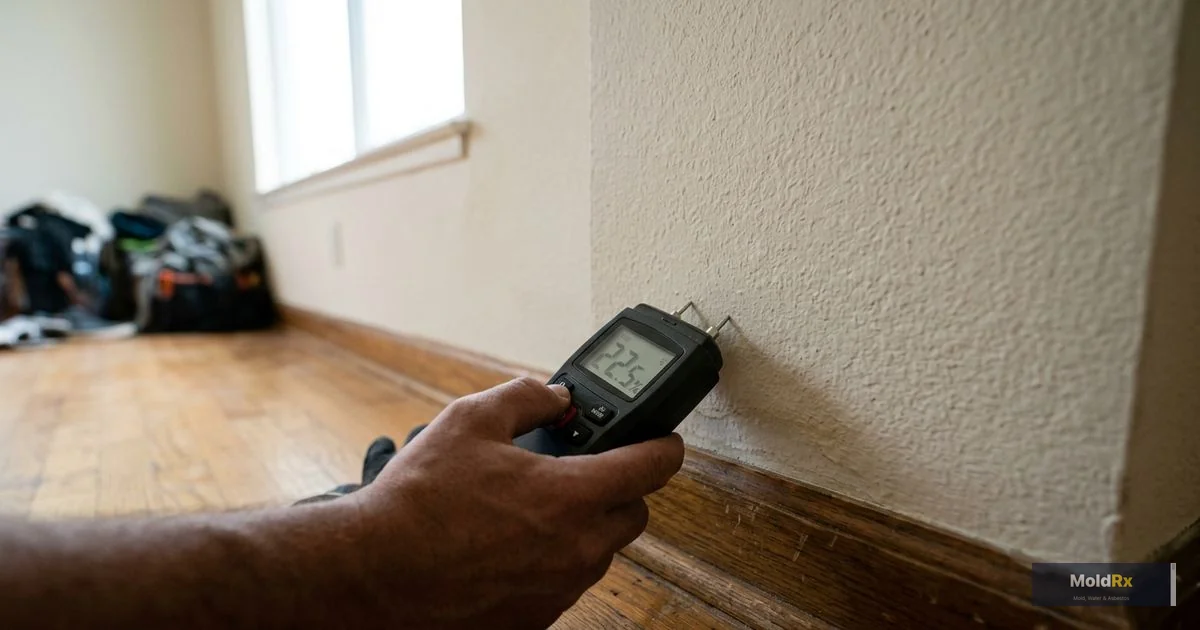
Crawl space mold is caused by ground moisture, poor ventilation, and plumbing leaks — and it directly affects the air quality in the living space above. The stack effect pulls air upward from crawl spaces into the home, carrying mold spores, musty odors, and moisture with it. Here's why crawl spaces grow mold, how to recognize the problem, and what it takes to fix it permanently.
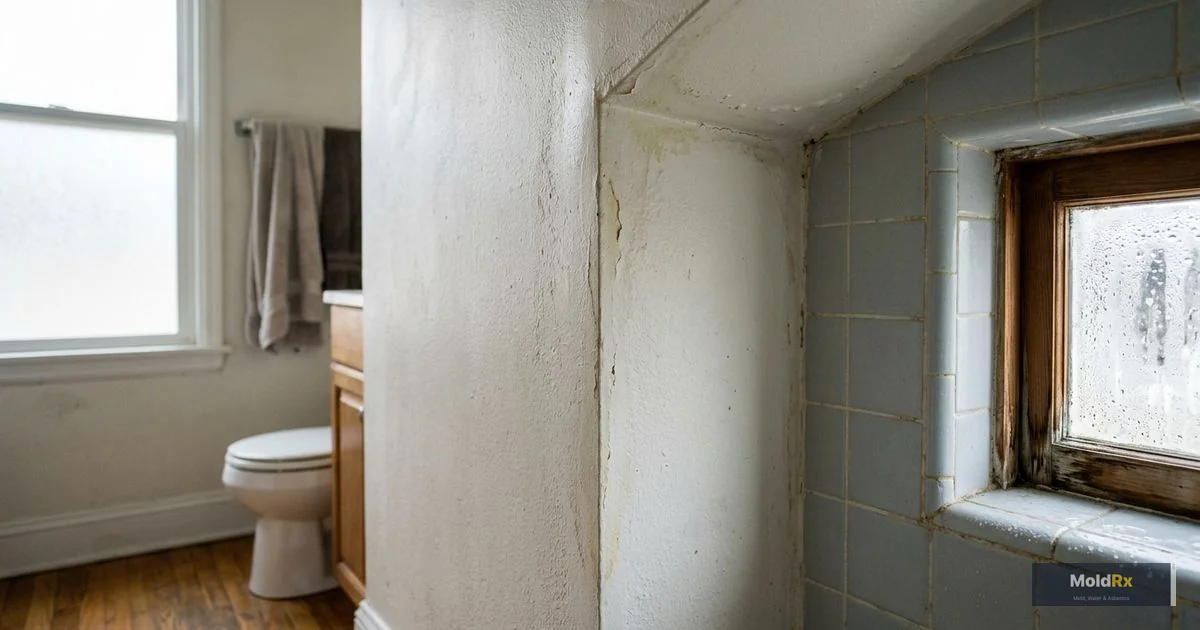
Every air conditioner creates the conditions mold needs to grow — cold surfaces that produce condensation, standing water in drain pans, darkness, and dust as a food source. Window units, portable ACs, and ductless mini-splits each have specific vulnerabilities and cleaning requirements. Here's how to identify mold in each type of unit, when you can clean it yourself, when you need a professional, and when replacement makes more sense than remediation.
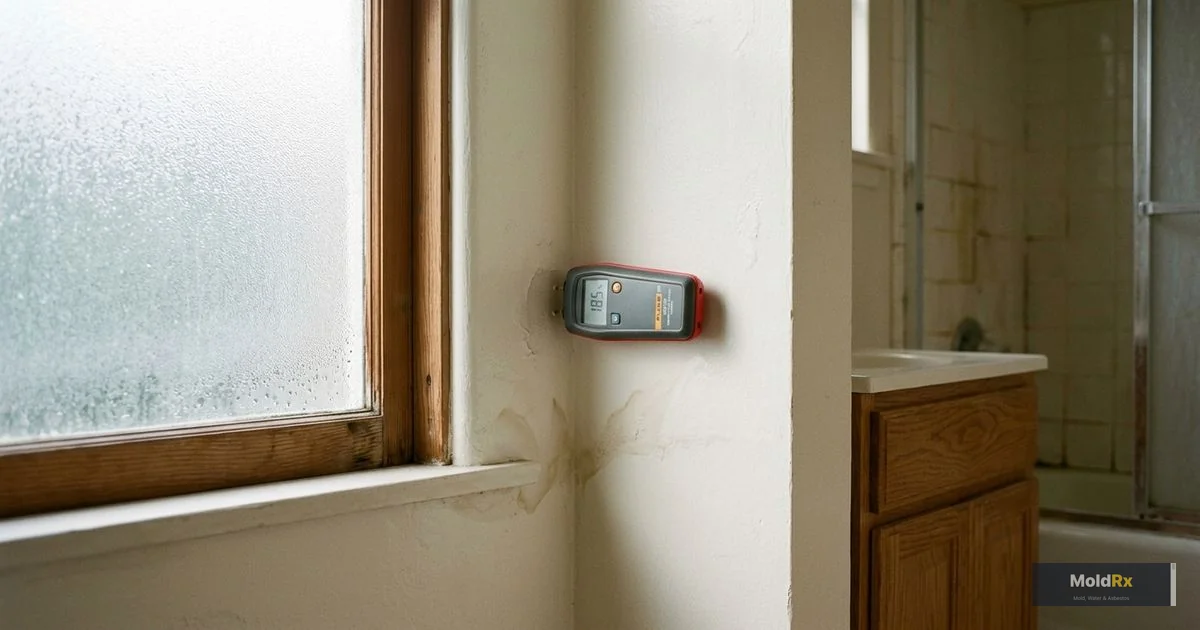
Mold inside your HVAC system spreads spores to every room every time the system runs — turning a localized problem into whole-building contamination. DIY duct cleaning makes it worse by disturbing colonies without containment. Here's how mold gets into ductwork, the warning signs, why it's dangerous, and what professional remediation actually involves.
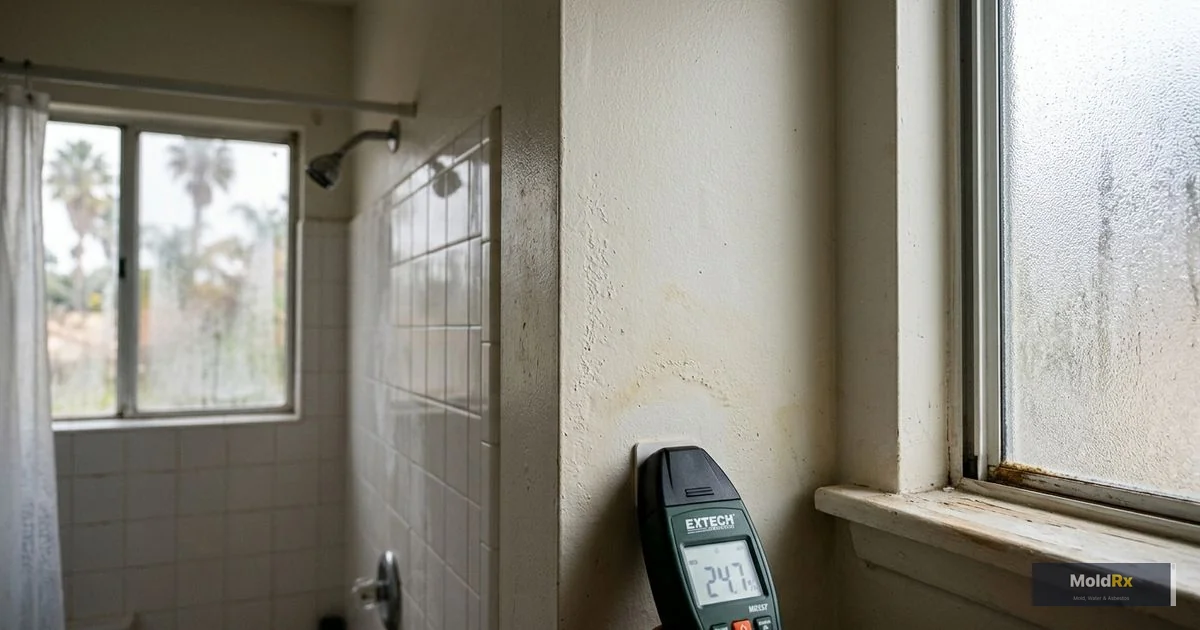
Most bathroom mold is surface-level mildew on tile and caulk — ugly but manageable with detergent and better ventilation. It becomes a real concern when it appears on drywall, ceiling materials, or baseboards, when it covers more than a few square feet, when it keeps coming back after cleaning, or when anyone in your household is experiencing respiratory symptoms. Here's how to tell the difference and what to do about each situation.
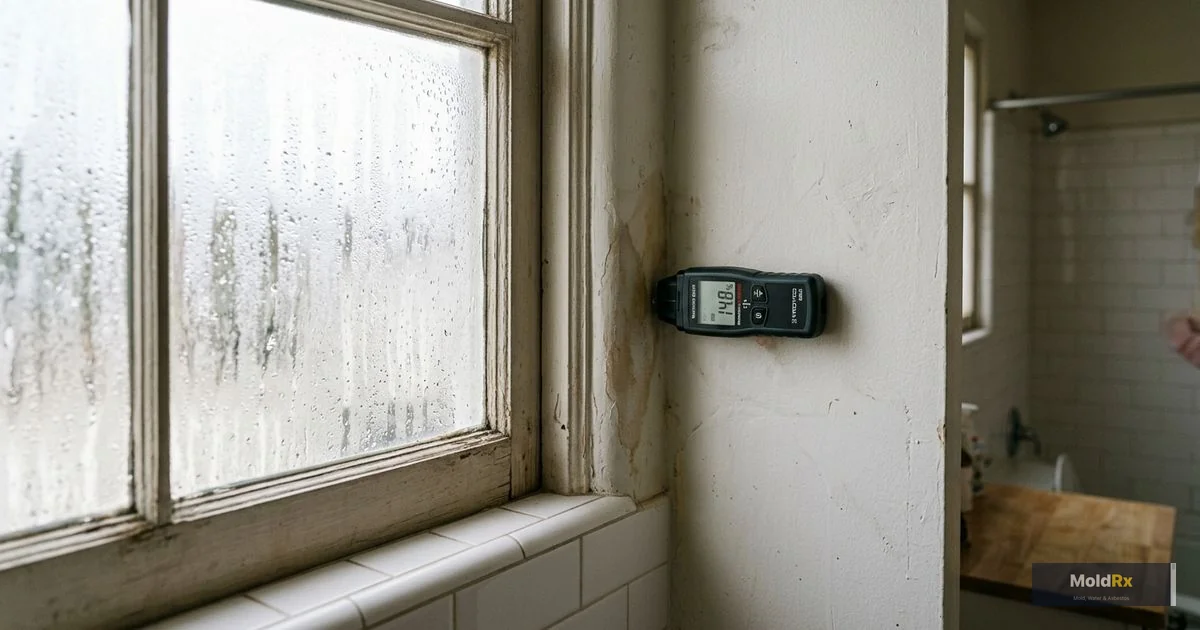
Southern California's "dry climate" reputation masks real mold risk. Coastal humidity, concentrated rainfall, stucco exteriors that trap moisture, slab-on-grade construction with hard water, and HVAC condensation in desert communities create conditions where mold thrives — often in homes whose owners never considered it a possibility.
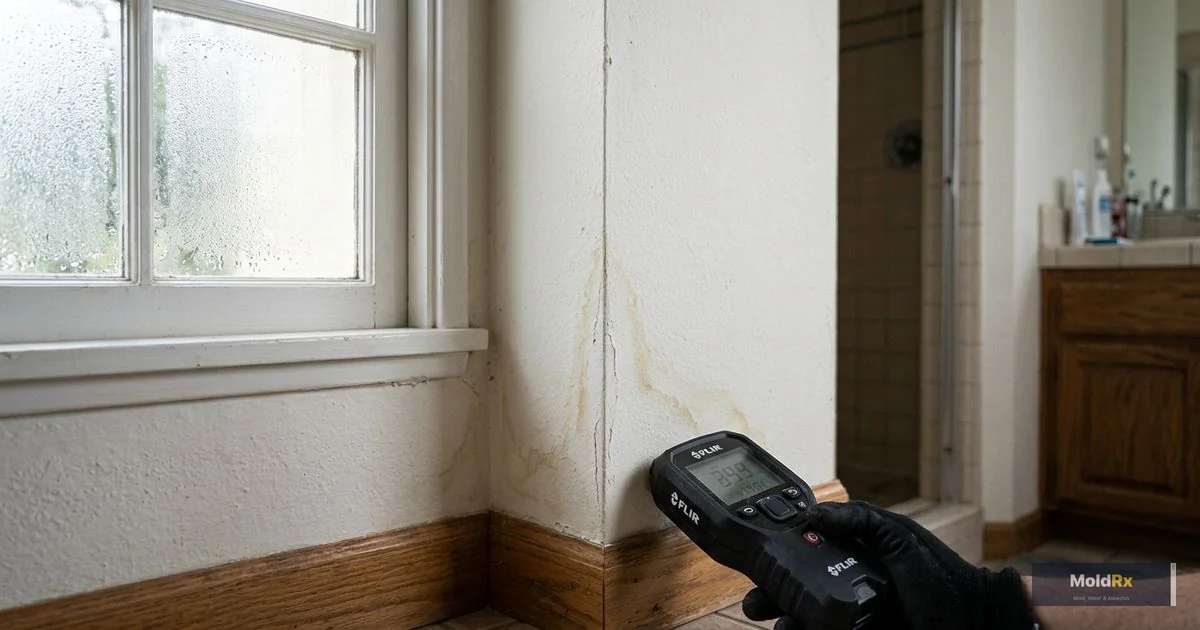
A persistent musty smell in your house almost always means hidden moisture or mold growing somewhere you can't see. The odor comes from microbial volatile organic compounds (MVOCs) — gases produced by active mold colonies feeding on damp building materials. Here's a systematic approach to tracking down the source, room by room, and knowing when it's time to call a professional.
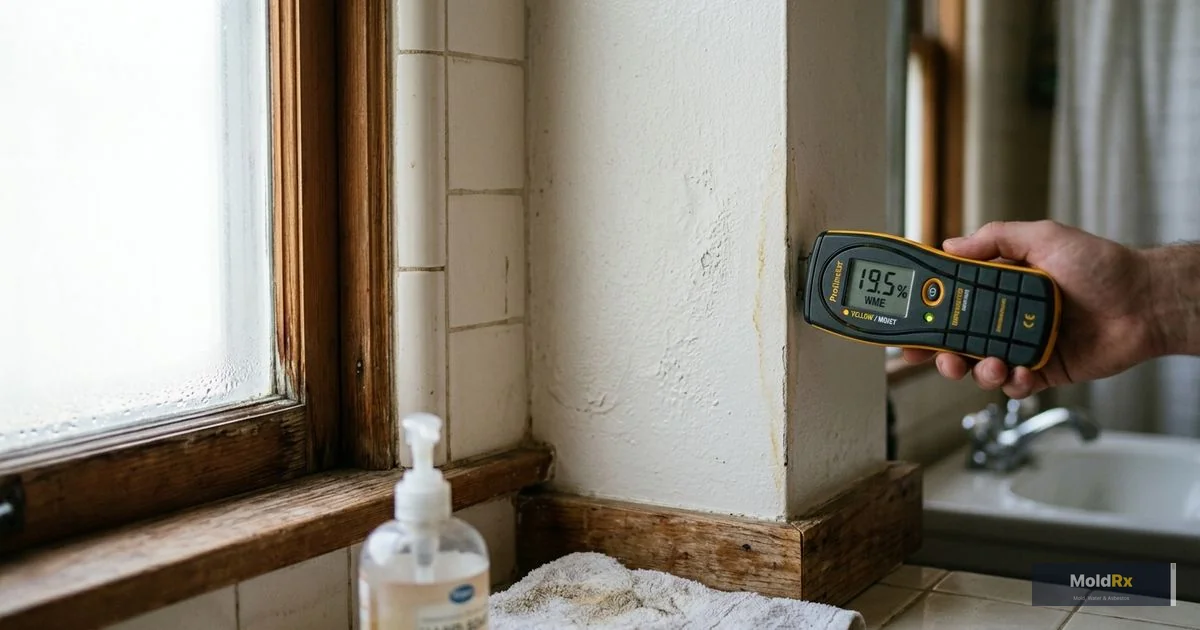
The five most common signs of mold behind walls: a persistent musty smell with no visible source, paint bubbling or wallpaper peeling, unexplained respiratory symptoms that improve when you leave home, dark spots or discoloration bleeding through painted surfaces, and a history of water damage or leaks in the area. Any one of these warrants investigation. Here's how to recognize hidden mold, where it's most likely to grow, and what to do about it.
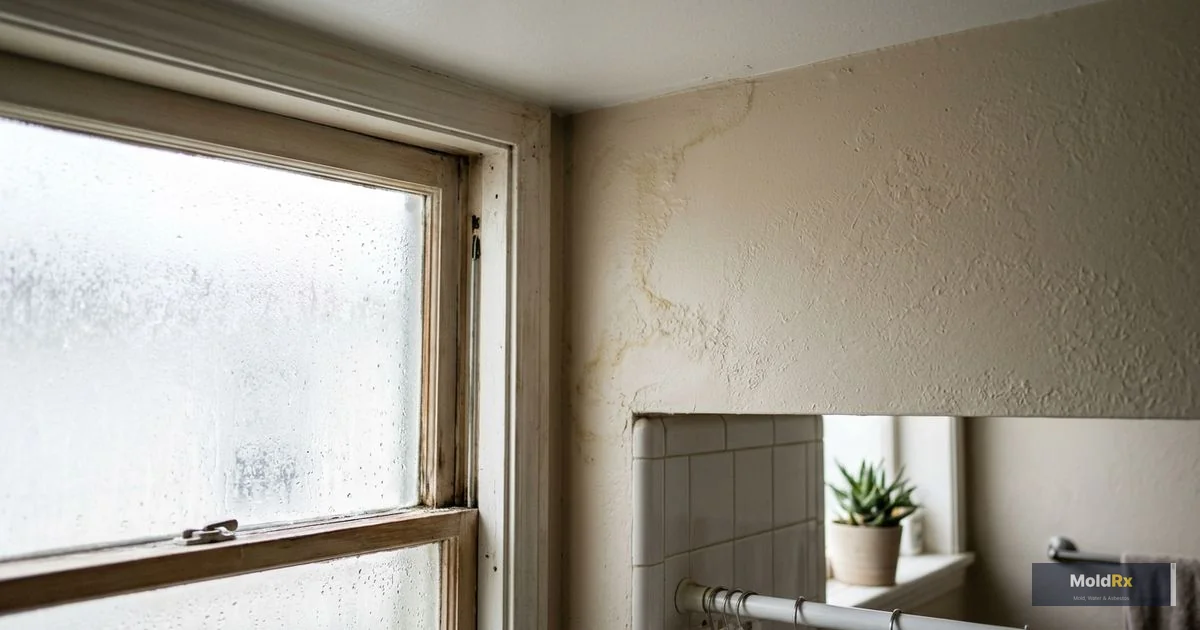
Pregnancy suppresses parts of the immune system and increases respiratory demands, which can make expecting mothers more vulnerable to mold exposure. Here's what the research says, what symptoms to watch for, and how to reduce risk without panic.
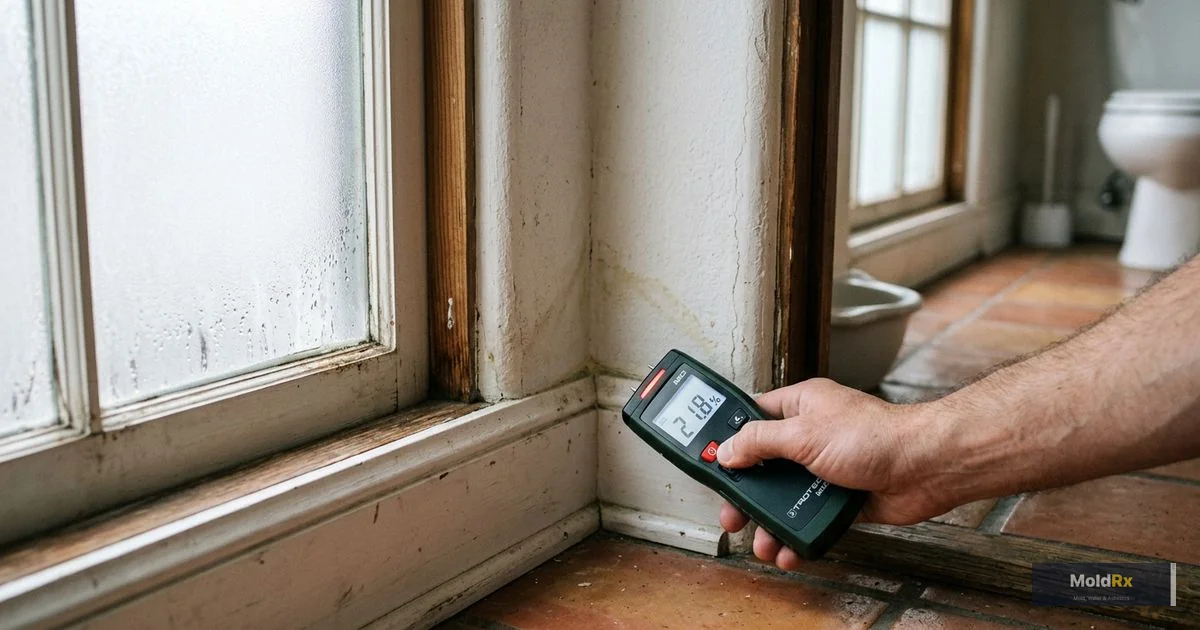
Children are more vulnerable to mold exposure than adults because of developing respiratory systems, higher breathing rates relative to body weight, and more time spent on floors where spore concentrations are highest. Here's what parents should know about symptoms, risk factors, and when to act.
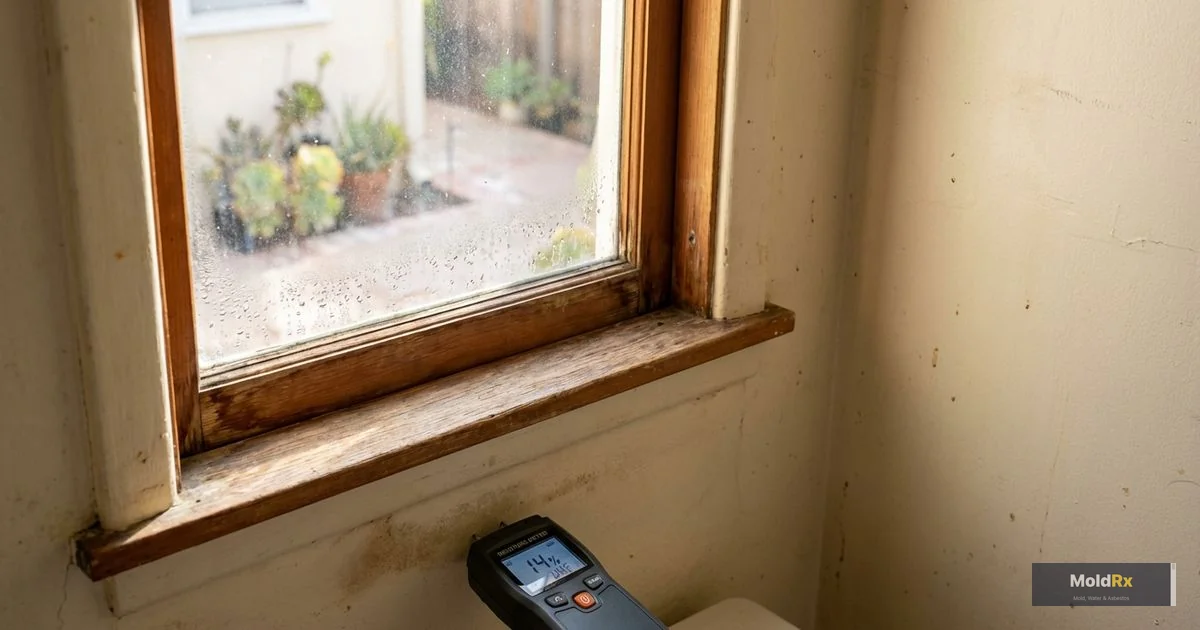
Mold exposure can cause respiratory symptoms, allergic reactions, and in some cases more serious health effects — but the response varies significantly by person, mold type, and exposure level. Here's what the CDC, EPA, and WHO actually say, who is most at risk, and how to tell the difference between media-driven panic and legitimate health concern.
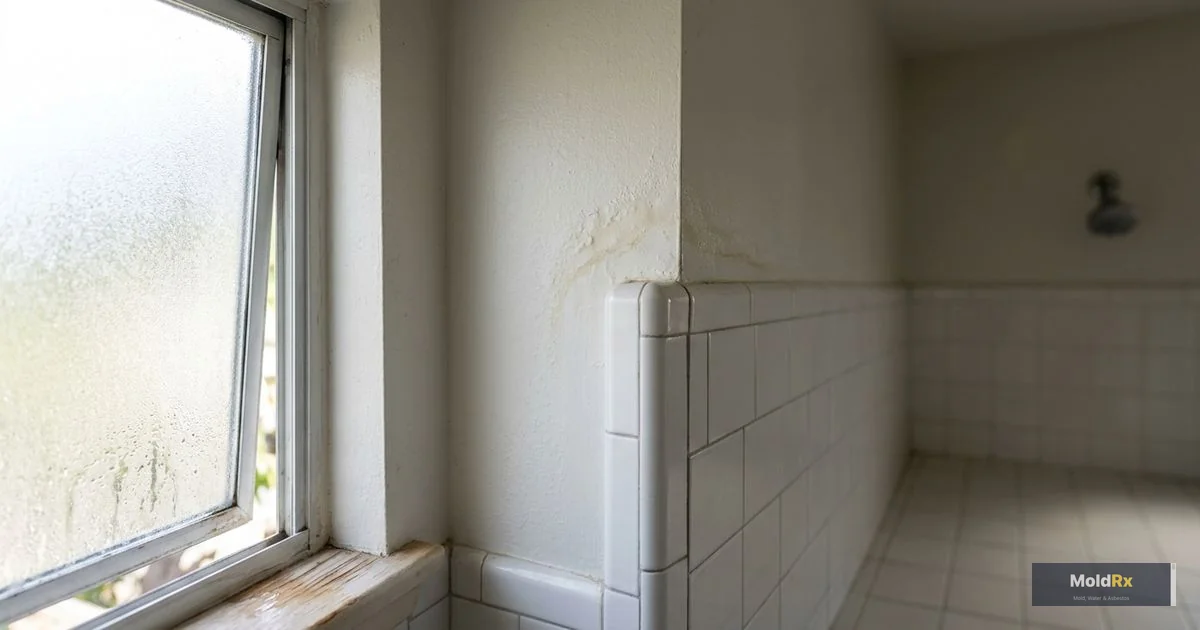
White mold is just as problematic as black mold — color doesn't determine danger. White mold is commonly Penicillium, Aspergillus, Cladosporium, or Trichoderma in early growth phases, and it's frequently dismissed as efflorescence or dust. Here's how to tell the difference, where white mold grows, why it matters, and what to do about it.
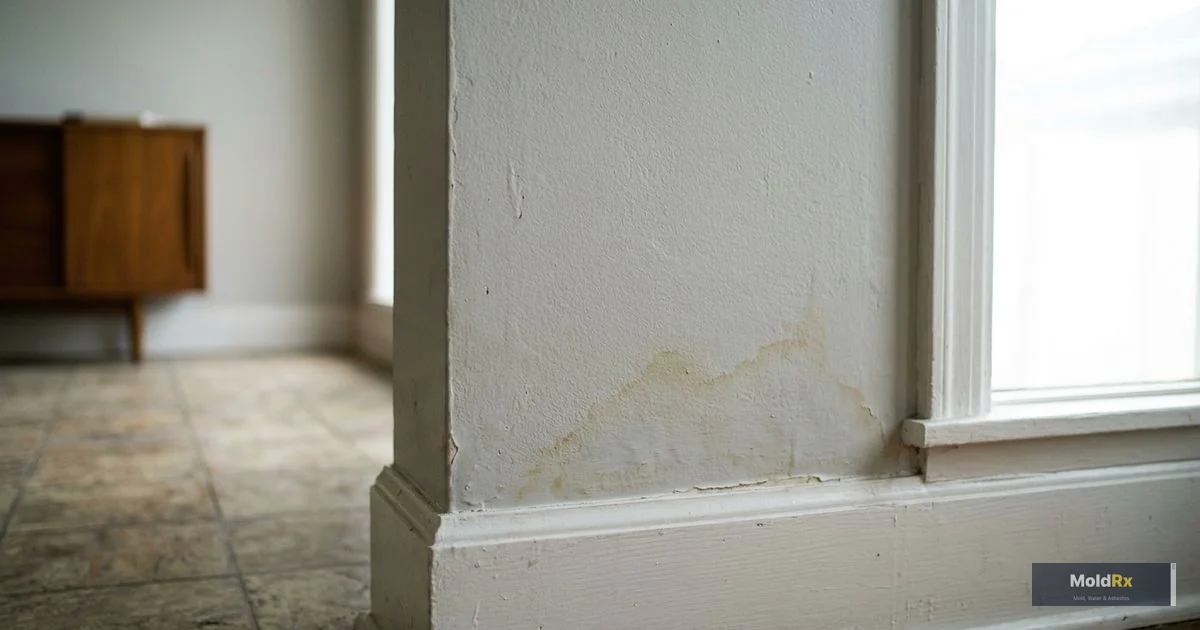
"Black mold" is not a scientific category. Many harmless molds are black, and many harmful molds aren't black at all. What most people mean by "black mold" is Stachybotrys chartarum — one specific species among thousands. Here's what actually matters when you find mold in your home, why color alone tells you almost nothing, and how to decide what to do next.
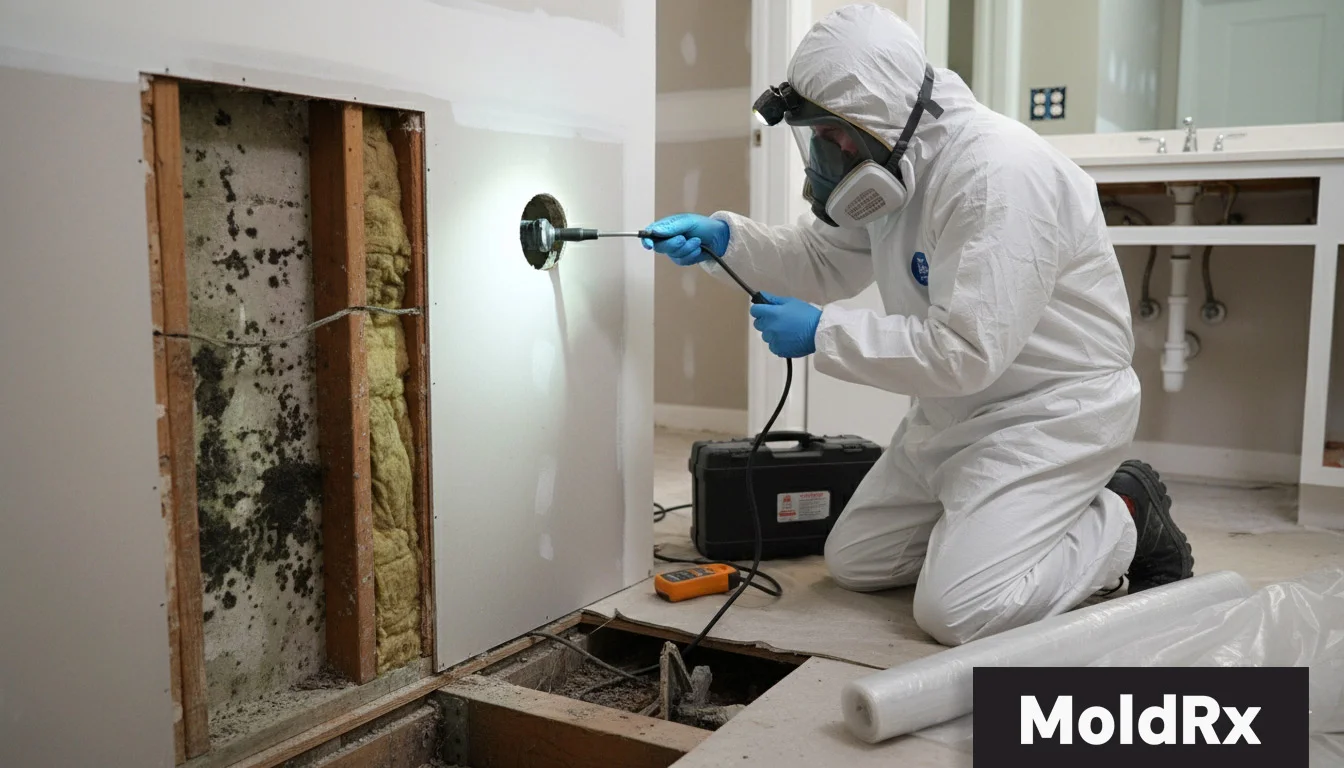
Hidden mold grows on the concealed side of walls and floors—inside cavities where moisture, organic material, and time combine to fuel growth you can’t see. Professional detection uses multiple tools: moisture meters map hidden dampness, thermal imaging reveals temperature patterns from evaporation, air sampling detects elevated spore levels, and borescope cameras look directly into wall cavities through small access holes.
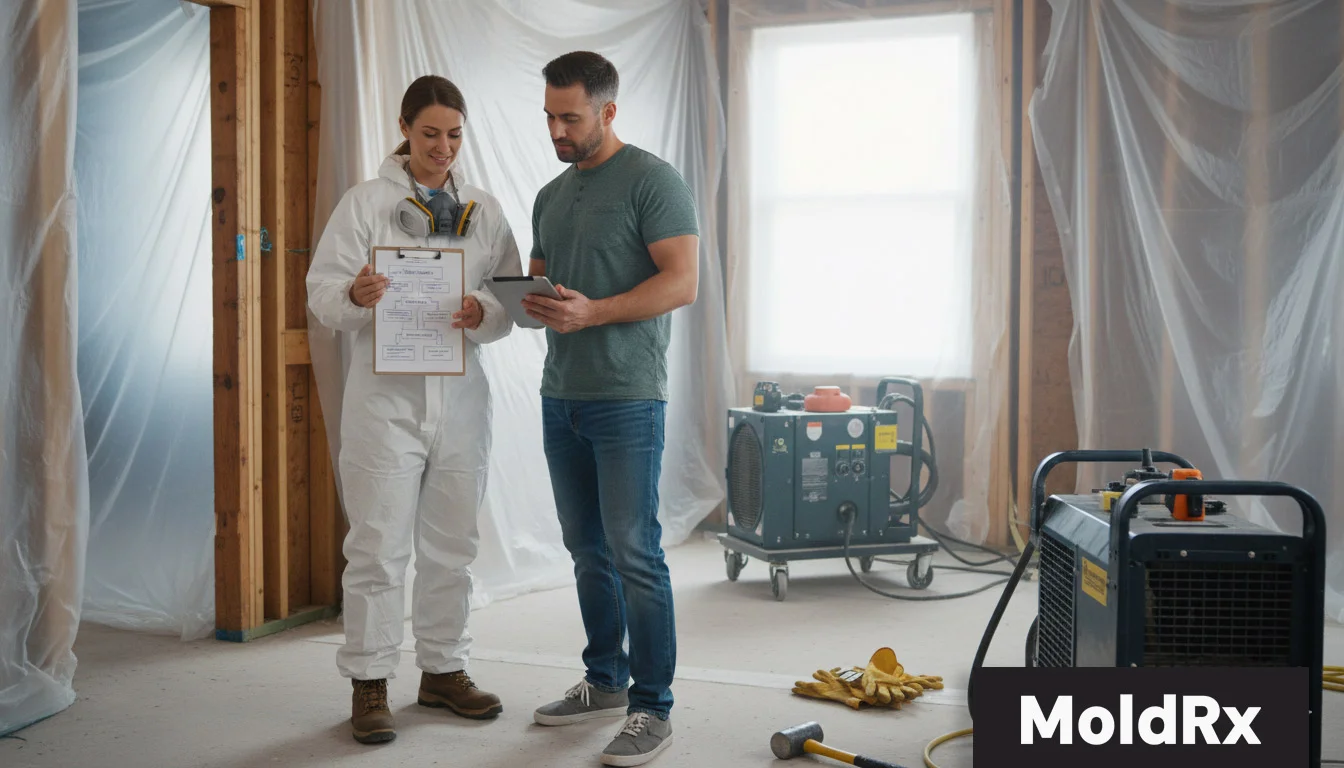
Professional mold remediation isn’t just cleaning—it’s a systematic process involving containment, removal of contaminated materials, HEPA air filtration, antimicrobial treatment, and clearance testing. Here’s what actually happens at each stage so you know what to expect when remediation professionals arrive.
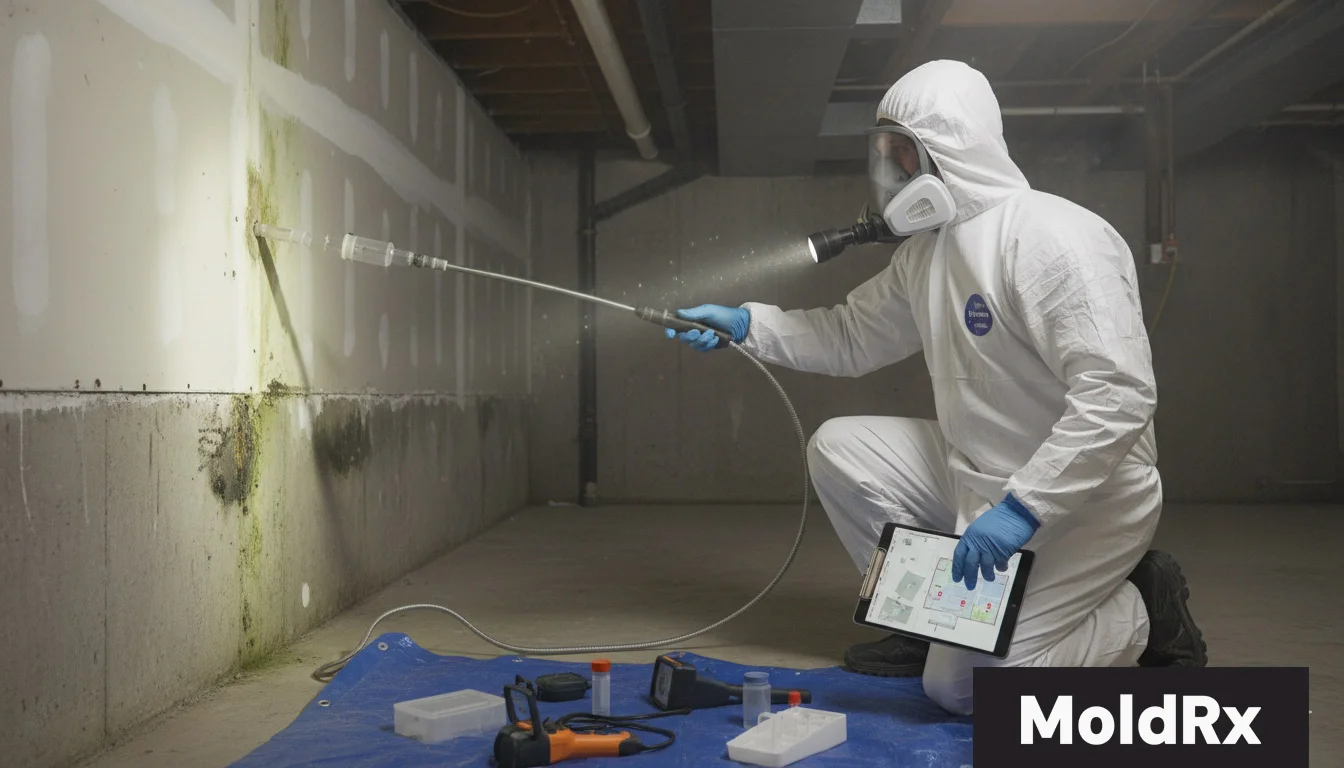
Mold testing isn’t always necessary—and sometimes it’s a waste of money. If you can already see visible mold, testing just confirms what your eyes told you. But if you smell mold without finding a source, have unexplained health symptoms, or need documentation for real estate or remediation verification, professional testing provides information you can’t get any other way.
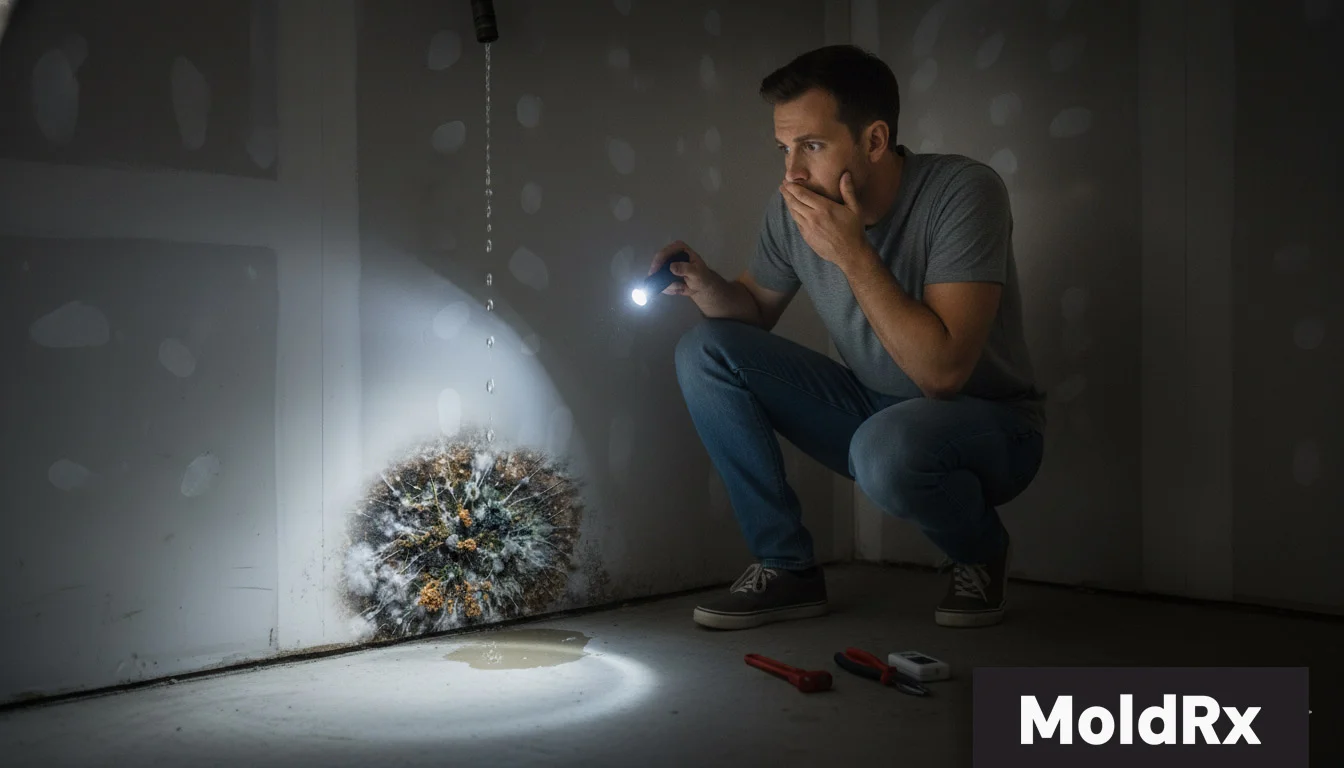
Mold can begin colonizing wet surfaces within 24 to 48 hours of water exposure. Visible growth typically appears within 3 to 12 days. The critical variable isn’t just time—it’s whether materials actually dried, especially in hidden spaces like wall cavities and under flooring where moisture can persist long after surfaces look dry.