Kitchen cabinets sit flush against walls, creating dark, enclosed spaces that rarely get inspected — and those spaces concentrate more moisture sources per square foot than almost anywhere else in your home. Sink supply lines, drain connections, dishwasher hoses, ice maker lines, cooking steam, and daily kitchen humidity all feed moisture into cabinet cavities and the wall surfaces behind them. When mold grows behind kitchen cabinets, it can spread for months before anyone notices, because the cabinets themselves block your view of the wall where the growth is happening.
This is a particularly common problem in Southern California homes. The region's mild temperatures keep mold viable year-round, and many SoCal kitchens have cabinets installed against exterior stucco walls — a combination prone to condensation and slow moisture migration.
This guide covers why kitchens are so vulnerable, where mold behind kitchen cabinets is most likely to develop, the warning signs to watch for, when you can handle it yourself versus when to call a professional, and how to prevent the problem.
Why Kitchens Hide Mold So Effectively
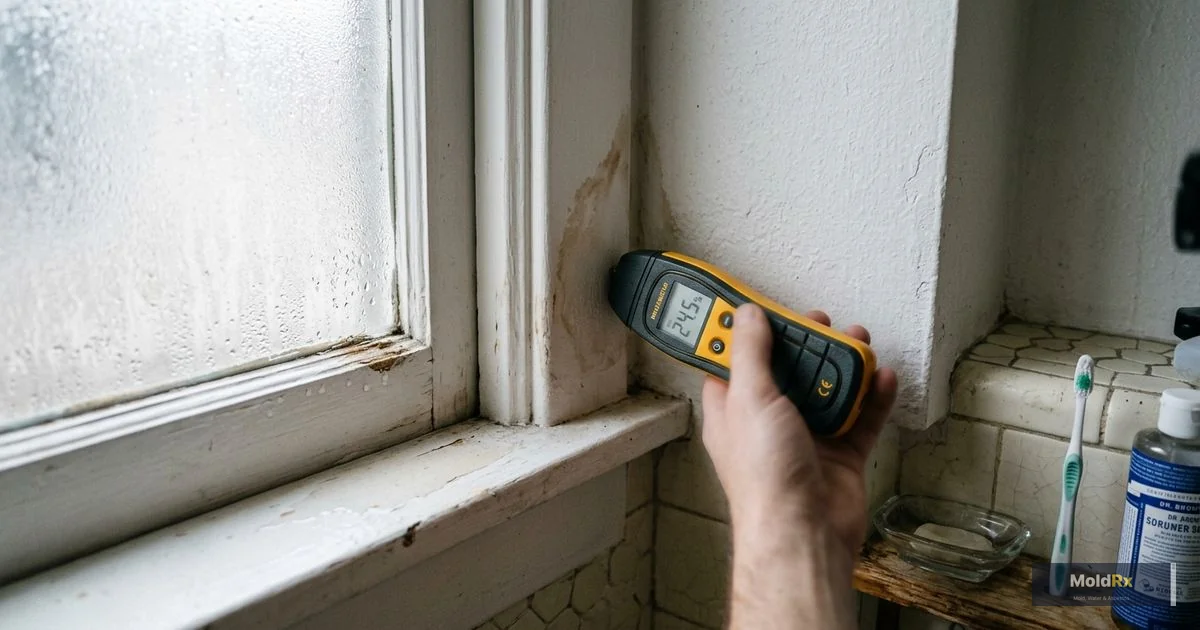
Kitchens bring water into a small space, and cabinets hide everything behind a finished face. That combination is the core of the problem.
Plumbing Connections Concentrated in One Area
A typical kitchen has more plumbing connections in a tighter area than any other room. Under the sink alone, you may have hot and cold supply lines, a drain line, a garbage disposal connection, a dishwasher drain hose, and possibly a water filtration system — each one a potential leak point. Behind the dishwasher and refrigerator, supply lines run to wall connections that are invisible once the appliance is installed.
Each connection ages and degrades. A slow drip wets the cabinet floor, the wall behind the cabinet, or both — and you won't see it until the damage is significant. Hidden water leaks behind kitchen appliances are among the most common sources of mold we encounter.
Steam, Humidity, and Daily Moisture
Even without a leak, kitchens produce substantial moisture from daily use. Boiling water, running the dishwasher, and cooking all release steam that settles on cabinet surfaces and migrates into wall cavities.
In homes where the range hood recirculates rather than venting outside — or where there's no range hood at all — this moisture has nowhere to go. It absorbs into cabinet materials and raises humidity inside enclosed cabinet boxes. Sustained relative humidity above 60 percent supports mold growth, and cabinet interiors during cooking can easily exceed that.
Cabinets Pressed Directly Against Drywall
Cabinets are mounted flush against the wall — no air gap, no ventilation, no way for moisture to dry. The back panels of most cabinets are thin particleboard or hardboard that absorbs moisture readily and provides a food source for mold. The drywall behind them, with its paper facing, is an even better food source. Once moisture gets between the cabinet back and the wall, both surfaces are at risk.
Dark, Enclosed, Rarely Inspected Spaces
Mold needs moisture, a food source, warmth, and darkness. The space behind kitchen cabinets provides all four — similar conditions to what makes bathroom mold so common, but with even less visibility. Most homeowners never see the wall behind their kitchen cabinetry from the day cabinets are installed until the day they're replaced — which can be decades.
Where Mold Behind Kitchen Cabinets Is Most Likely to Grow
Certain locations are far more common than others because of their proximity to water or exposure to specific moisture conditions.
Under the Kitchen Sink
The under-sink cabinet is the single most common location for kitchen mold. It concentrates the most plumbing connections and is the most likely place for leaks to go unnoticed. Supply lines loosen or corrode. Drain pipes develop slow leaks at joints. Garbage disposals fail at the mounting ring.
Any of these wets the cabinet floor — typically particleboard that absorbs water quickly and swells, trapping moisture against the wall behind it. Mold under kitchen sink cabinets often starts as a small leak unnoticed for months because the area is cluttered with cleaning supplies that hide the damage.
Behind the Dishwasher
The dishwasher's supply line, drain hose, and door seal are all potential moisture sources. Small leaks can wet the floor and wall behind the unit continuously without any visible sign from the front.
Because the dishwasher fills the cabinet bay completely, you can't see the wall behind it without pulling the appliance out. Most homeowners never do this — the result is a wall surface that may have been wet for years. This is particularly common with dishwashers over 10 years old, where connections and seals have degraded.
Behind Cabinets on Exterior Walls
In many kitchen layouts, cabinets are mounted on exterior walls. In Southern California, this often means they sit against stucco-clad walls. Stucco homes have specific water intrusion vulnerabilities — cracks, failed flashing around windows above the cabinets, and deteriorated weep screeds can all allow moisture into the wall cavity behind the cabinetry.
Exterior walls also experience temperature differentials that cause condensation. When air conditioning cools the interior surface while the exterior is warm, moisture condenses inside the wall cavity. This condensation-driven mold can develop even without a visible leak — no water event to alert you, just gradual moisture accumulation you can't see.
Inside Cabinet Boxes
Mold doesn't only grow on the wall behind cabinets — it can grow on the cabinet structure itself. The backs of cabinets, the underside of shelves, interior corners, and areas around hinge mounting points are all susceptible. Particleboard and MDF absorb moisture readily and provide an excellent food source for mold once damp.
Cabinet interiors are particularly vulnerable near the stove or dishwasher, where steam exposure is highest. If the interior of certain cabinets feels damp, smells musty, or shows warping or discoloration, the cabinet material itself may be colonized.
Around Ice Maker and Water Filter Lines
The small copper or braided-steel line that feeds your refrigerator's ice maker runs from a wall valve to the back of the fridge. These lines are under constant pressure, and connections can develop slow leaks. Because nobody moves the refrigerator regularly, a small drip can wet the wall and floor behind it for months.
Water filtration systems under the sink add more connections and more leak potential. Each fitting and filter housing is a place where water can escape.
Warning Signs of Mold Behind Kitchen Cabinets
Because you can't see the wall behind your cabinets directly, the signs are indirect — things you notice from the room side that suggest a problem on the hidden side.
Musty Odor When Opening Cabinets
A musty, earthy, or stale smell when you open a cabinet door — particularly under the sink — is one of the earliest and most reliable signs. Mold produces microbial volatile organic compounds (MVOCs) as it grows, and these accumulate in enclosed cabinet spaces. The odor may be subtle when the cabinet is closed and stronger when you open the door and release the trapped air.
If you notice a musty smell you can't trace and it seems strongest in the kitchen, open each cabinet and check whether the odor intensifies near the back or base.
Soft, Swollen, or Warped Cabinet Backs and Floors
The thin back panels and floors of cabinets are the first components to show moisture damage. Signs to watch for: a cabinet floor that feels spongy when you press on it, a back panel that bows inward or feels soft, swelling or delamination of particleboard at joints and edges, and cabinet doors that no longer close properly because the frame has shifted.
Any of these indicates sustained moisture exposure — the kind that supports mold growth on the hidden surfaces behind and beneath the cabinet.
Discolored Drywall or Staining
If you can see any portion of the wall around or between cabinets, look for water stains, yellowish-brown discoloration, or dark spots. Staining at the top edge of a base cabinet often indicates moisture running down the wall from above — a window flashing failure or a plumbing connection in the wall.
Staining on the ceiling below a second-floor kitchen, or on an adjacent room's wall, can also point to moisture problems originating behind kitchen cabinetry. Signs of mold behind walls often appear in rooms adjacent to the actual source.
Pest Activity
Silverfish, booklice, springtails, and cockroaches are attracted to damp environments and the organic material mold produces. If you're finding these insects in or around kitchen cabinets — especially under the sink or in cabinets you rarely open — they may indicate a moisture and mold problem behind the cabinet.
Visible Mold on Cabinet Interiors
Sometimes mold becomes visible on cabinet surfaces before you ever see the wall behind them. Dark spots on the back panel, growth along the bottom edges, or fuzzy patches in damp corners mean moisture has been present long enough for mold to colonize the cabinet material itself. If mold is visible on the room-facing side of the cabinet, it is almost certainly present on the wall behind it — the hidden side had moisture exposure first and for longer.
Unexplained Health Symptoms
Persistent respiratory symptoms, allergic reactions, or headaches that correlate with time spent in the kitchen can indicate elevated mold spore levels. Mold behind cabinets releases spores into kitchen air through gaps around cabinet edges and through the cabinet material itself. If symptoms improve when you're away from home and return when you come back, hidden mold should be considered as a possible cause.
When to DIY Clean vs. Call a Professional
Not every instance of kitchen cabinet mold requires professional remediation. The deciding factors are the size of the affected area, whether mold is on the surface or embedded in building materials, and whether the moisture source has been resolved.
When You Can Handle It Yourself
Minor surface mold on the face of a cabinet shelf or a removable component can often be cleaned by the homeowner if the affected area is small (less than about 10 square feet), the mold is on a hard, non-porous surface that can be scrubbed and dried, the moisture source has been identified and fixed, and there's no evidence of growth behind the cabinet on the wall or inside the wall cavity.
If these conditions are met, clean the surface with detergent and water, dry thoroughly, and monitor for recurrence. Avoid bleach on porous materials — it doesn't penetrate and the water content can feed mold roots. See our guide on DIY vs. professional remediation for a deeper discussion.
When to Call a Professional
Call a professional when mold extends behind the cabinet onto the wall or into the wall cavity, the cabinet back or floor is structurally compromised, the affected area exceeds about 10 square feet, you smell mold but can't access the source, or health symptoms suggest elevated spore exposure.
Disturbing mold behind cabinets without containment releases spores throughout your home. Professional mold remediation uses sealed containment and HEPA-filtered negative air pressure to prevent cross-contamination. When mold has penetrated drywall or framing, the affected material must be physically removed.
If you're unsure about the extent of the problem, a professional moisture assessment or mold test can determine what you're dealing with before any demolition happens.
Prevention: How to Keep Mold Out of Your Kitchen Cabinets
Preventing mold behind kitchen cabinets is primarily about controlling moisture — catching leaks early, managing humidity, and creating conditions that don't support mold growth.
Inspect Under the Sink Regularly
Check under the kitchen sink at least once a month. Move cleaning supplies aside and look for drips from supply lines and drain connections, standing water or damp spots on the cabinet floor, swelling or warping of the cabinet floor, and water stains on the cabinet back or sides.
Catching a slow leak after a week is a maintenance issue. Catching it after six months is a mold remediation project. This simple check is one of the most effective things you can do to prevent mold under kitchen sink cabinets.
Maintain Plumbing Connections
Check supply lines and drain connections for the dishwasher, ice maker, and water filter annually. Replace braided supply hoses every 8 to 10 years — sooner if you notice corrosion, bulging, or stiffness. Periodically pull appliances away from the wall to inspect connections and the wall behind them, especially for units over 10 years old. Appliance-related water damage is one of the most preventable causes of mold behind kitchen cabinets.
Ventilate Your Kitchen
Use a range hood that vents to the outside — not a recirculating hood. Run it every time you cook at high heat, boil water, or steam. If your kitchen doesn't have an exhaust fan, open a window during and after cooking.
Crack the dishwasher door after the wash cycle to let steam dissipate rather than condensing inside the cabinet bay. Humidity control matters in Southern California kitchens more than most people expect — mild temperatures mean moisture doesn't dry as quickly in enclosed spaces as you might assume.
Inspect Cabinet Backs and Walls When Possible
Any time you renovate, replace cabinets, or pull out an appliance, inspect the wall surface behind it for staining, soft spots, or mold growth. If you're having new cabinets installed, consider applying mold-resistant primer to the wall before installation — it protects the drywall surface that will be hidden for years.
During annual maintenance, pull the refrigerator out and check the ice maker line, the floor beneath the unit, and the wall behind it. Do the same with the dishwasher if possible.
Address Exterior Wall Issues
If your kitchen cabinets are on an exterior wall, maintain the exterior surface. Seal cracks, maintain window flashing above the cabinet area, and ensure weep screeds at the base of the wall are clear. Water intrusion through stucco is a common source of moisture behind cabinets in Southern California homes, and addressing it from the outside prevents interior mold problems.
Mold Behind Kitchen Cabinets: 10 FAQs
How common is mold behind kitchen cabinets?
Very common. Kitchens concentrate more water sources in a smaller area than any other room, and cabinets create ideal hidden conditions — dark, warm, unventilated, rarely inspected. The under-sink cabinet and the wall behind the dishwasher are among the most frequent locations for hidden mold in Southern California homes.
Can mold behind kitchen cabinets make you sick?
Yes. Mold behind cabinets releases spores into kitchen air through gaps around cabinet edges and through the cabinet material itself. Exposure can cause respiratory symptoms, allergic reactions, headaches, and fatigue. Because the kitchen is a high-traffic area, the exposure can be substantial.
What does mold under a kitchen sink look like?
It can range from small dark spots on the cabinet floor or back panel to extensive black, green, or gray growth across the cabinet interior and the wall behind it. Often the first visible sign isn't the mold itself but moisture damage — a swollen cabinet floor, warped particleboard, or water staining — indicating mold is likely present on hidden surfaces.
Should I remove cabinets to check for mold?
Not without professional guidance. Removing cabinets can disturb mold colonies and release spores into your living space. A professional can use moisture meters and thermal imaging to assess the situation without removing cabinetry. If removal is needed, it should be done under containment.
Can I just paint over mold behind kitchen cabinets?
No. Painting over mold does not kill it — the colony continues growing beneath the paint and eventually comes through again. This is why mold keeps coming back in many homes. The moisture source must be eliminated and affected material removed before any refinishing.
How fast does mold grow behind kitchen cabinets after a leak?
Mold spores can begin colonizing damp materials within 24 to 48 hours of water exposure. A slow leak provides continuous moisture, allowing the colony to expand steadily. By the time you notice indirect signs like odor or cabinet damage, the mold has typically been growing for weeks to months.
Does homeowner's insurance cover mold behind kitchen cabinets?
It depends on the cause. Mold from a sudden, accidental event — a burst pipe, a failed supply line — is generally covered. Mold from gradual leaks or deferred maintenance is typically excluded. Document everything before disturbing it: photos, the apparent moisture source, and dates.
How do professionals remove mold behind kitchen cabinets?
Professional remediation involves setting up containment, removing cabinets under controlled conditions, removing mold-affected drywall and compromised framing, treating remaining structural materials, repairing the moisture source, and performing clearance testing to confirm complete removal. Learn more about what happens during mold remediation.
Can mold grow behind cabinets without a leak?
Yes. Cooking steam, dishwasher moisture, condensation on exterior walls, and general kitchen humidity can provide enough moisture for mold growth — even without a plumbing leak. The enclosed space behind cabinets traps moisture and prevents drying. This is more common in homes with poor kitchen ventilation or cabinets on poorly insulated exterior walls.
How can I tell if the musty smell in my kitchen is mold?
A musty, earthy odor that is strongest when you open cabinet doors — particularly under the sink — is a strong indicator. The smell is caused by MVOCs produced by active mold growth. If the odor persists after cleaning, professional mold testing can determine whether elevated spore levels confirm active mold.
Next Steps
Mold behind kitchen cabinets gets progressively worse because the conditions that cause it — hidden leaks, trapped moisture, enclosed spaces — don't resolve themselves. The earlier you identify the warning signs and address the moisture source, the smaller and less costly the remediation will be.
If you've noticed a musty smell in your kitchen cabinets, soft or swollen cabinet floors, or staining on walls near your kitchen, MoldRx can help. We coordinate professional mold testing and remediation services throughout Orange County, Riverside County, and San Bernardino County — and we'll give you a straight answer about whether professional assessment is warranted.
Call (888) 609-8907 to talk through what you're seeing, or request a free estimate online.