If you've found mold in your home and you have kids, your first instinct is probably to worry. That instinct is reasonable — children genuinely are more susceptible to mold-related health effects than healthy adults. But understanding why they're more vulnerable and what to actually watch for puts you in a much better position than fear alone.
Children are more vulnerable to mold exposure than adults because of developing respiratory systems, higher breathing rates relative to body weight, and more time spent on floors where spore concentrations are highest. That doesn't mean every child exposed to mold will get sick. It means children deserve extra attention when mold is present, and parents benefit from knowing the facts so they can respond proportionally.
This guide covers why children are at higher risk, what symptoms to watch for at different ages, what the research actually says, where exposure commonly happens, and what steps to take if you suspect your child is being exposed.
Why Children Are More Vulnerable to Mold
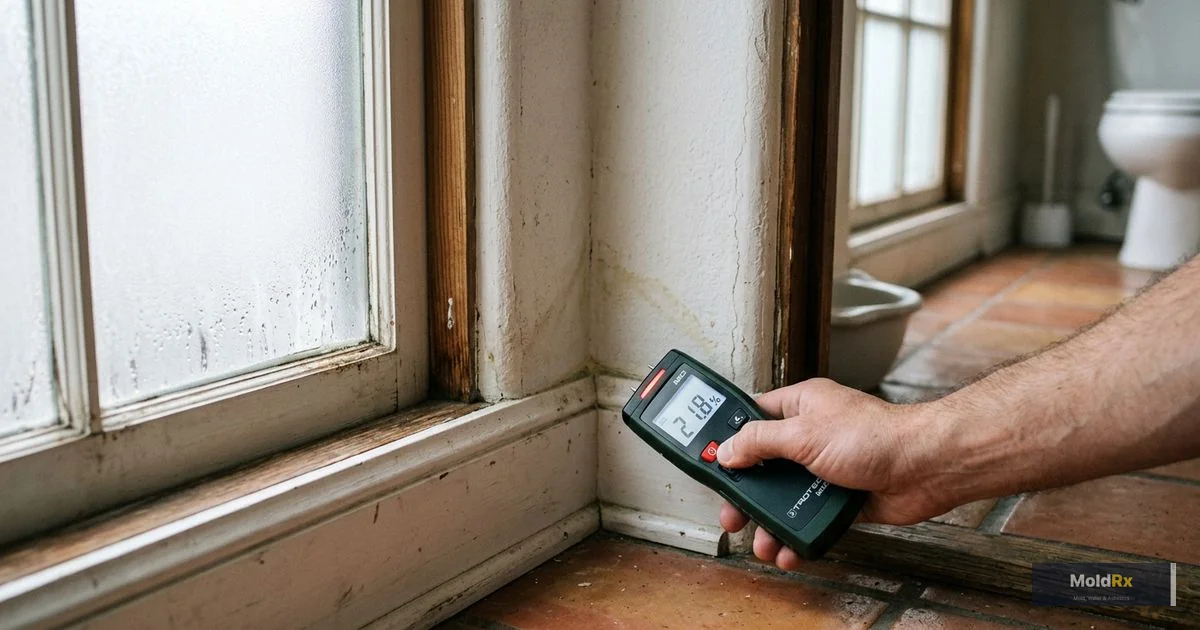
Adults and children breathe the same air in the same house, but the effects are not equal. Several biological and behavioral factors make children more susceptible to airborne contaminants including mold spores.
Developing Respiratory and Immune Systems
Children's lungs are not miniature adult lungs — they are still forming. Lung development continues through adolescence, and the airways of young children are narrower, meaning the same level of inflammation that causes mild congestion in an adult can cause significant breathing difficulty in a toddler. The immune system is similarly immature, so young children may overreact to mold exposure or underreact to infections facilitated by chronic irritation.
Higher Breathing Rate Relative to Body Weight
A resting infant breathes 30 to 60 times per minute compared to 12 to 20 for an adult. Adjusted for body weight, children inhale significantly more air — and therefore more airborne contaminants — per pound of body mass. A child in a room with elevated mold spore levels is getting a proportionally higher dose than an adult in the same room.
Floor Proximity
Mold spores tend to concentrate in the lower portion of a room, on and near floor surfaces. Infants crawl. Toddlers play on the floor. Young children spend much of their day in the zone where spore concentrations are densest — and they put hands, toys, and floor objects into their mouths, adding an ingestion pathway beyond inhalation.
Limited Ability to Communicate Symptoms
An infant or toddler cannot tell you their throat hurts or they can't breathe well. Younger children express discomfort through fussiness, poor sleep, or behavioral changes that parents might attribute to other causes — making it harder to identify mold-related symptoms early.
Symptoms to Watch for — by Age Group
Mold-related symptoms in children overlap with many common childhood illnesses, which is one reason they're easy to miss. The distinguishing factor is pattern: symptoms that persist despite treatment, recur in the same environment, or improve when the child spends time away from home.
Infants (0–12 Months)
Infants cannot describe symptoms, so parents need to watch for observable signs:
- Persistent nasal congestion or runny nose that does not respond to typical cold treatment or that lasts longer than 10 to 14 days
- Wheezing or noisy breathing — any audible wheeze in an infant warrants medical attention regardless of suspected cause
- Chronic cough, particularly one that worsens at night or during naps in the child's room
- Skin rashes or eczema flare-ups that are unexplained or resistant to standard treatment
- Disrupted sleep — frequent waking, difficulty settling, or noticeable congestion when lying down
- Poor feeding or fussiness that doesn't align with typical developmental patterns
Toddlers (1–3 Years)
Toddlers share infant vulnerability factors but are increasingly mobile, which can change exposure patterns:
- Frequent respiratory infections — if your toddler seems to have a perpetual cold, environmental factors including mold are worth considering
- Persistent cough or wheeze, especially if it worsens at home or in specific rooms
- Rubbing eyes or nose frequently — a behavioral indicator of allergic irritation
- Snoring or mouth breathing during sleep, indicating nasal inflammation
- Behavioral changes — increased irritability, reduced activity, or sleep regression
- Recurring ear infections — chronic nasal inflammation can affect Eustachian tube drainage
School-Age Children (4–12 Years)
Older children can report symptoms directly, which makes identification easier:
- Nasal congestion, sneezing, runny nose — classic allergic rhinitis symptoms
- Coughing or wheezing, particularly with exertion or at night
- Complaints of throat irritation, itchy eyes, or headaches that seem tied to being at home
- Asthma symptoms appearing or worsening — this is one of the most significant indicators
- Fatigue or difficulty concentrating — congestion and poor sleep affect daytime function
- Reluctance to spend time in certain rooms — children sometimes instinctively avoid spaces where they feel worse
The critical pattern across all ages: symptoms that improve during vacations or weekends away and return when the child is back in the home environment. This environmental correlation is the strongest non-medical indicator that indoor air quality may be a factor.
What the Research Says
Here is what the major health agencies have concluded based on systematic reviews of the available evidence.
CDC (Centers for Disease Control and Prevention)
The CDC identifies children as a population at increased risk from mold exposure, noting that people with developing or compromised immune systems are more susceptible. The agency recommends that households with infants, young children, or immunocompromised individuals prioritize mold removal and moisture control.
WHO (World Health Organization)
The WHO's 2009 guidelines on indoor air quality found sufficient evidence linking indoor dampness and mold with respiratory symptoms, asthma exacerbation, and asthma development — with several supporting studies focused specifically on children. The WHO concluded that children in damp or moldy homes have increased rates of respiratory symptoms and elevated risk for developing asthma, and recommends remediation of persistently damp buildings with particular attention to environments where children live.
EPA (Environmental Protection Agency)
The EPA notes that children are among those most likely to be affected by mold and emphasizes moisture control as the primary prevention strategy. The agency recommends that schools and childcare facilities maintain environments free of visible mold and chronic moisture problems.
Key Research Findings on Children Specifically
Several findings from published research are particularly relevant for parents:
- Asthma development: A widely cited 2007 meta-analysis in Indoor Air found that early childhood exposure to visible mold or dampness is associated with a 30 to 50 percent increase in the likelihood of developing asthma — not just worsening existing asthma, but potentially contributing to its onset.
- Respiratory infections: The WHO's review found suggestive evidence that children in damp, moldy homes experience more respiratory infections, including lower respiratory tract infections in infants.
- Allergic sensitization: Children exposed to mold early in life may be more likely to develop mold allergies, creating a lifelong sensitivity.
- Wheeze in infancy: Research in the American Journal of Respiratory and Critical Care Medicine found infant exposure to visible mold was associated with increased recurrent wheeze in the first year of life.
It is worth noting what the research does not conclusively show. There is limited evidence linking typical residential mold exposure in children to neurological effects, developmental delays, or the broad "mold illness" syndrome some online sources describe. The documented risks are serious enough on their own without adding unsubstantiated claims.
Common Exposure Scenarios in the Home
Understanding the most common exposure points for children helps you know where to look.
The Child's Bedroom
Children spend 10 to 12 hours a day in their bedrooms. Common mold sources include condensation on windows and windowsills, leaks from the roof or exterior walls that may not be visible, carpet or padding that got wet and never fully dried, and closets against exterior walls where airflow is restricted. A child sleeping in a room with hidden mold behind the wall or under the carpet is getting sustained exposure during every hour of sleep.
Bathrooms Shared by Children
Beyond the obvious shower and tub areas, mold commonly grows behind bathroom walls at plumbing connections, under vanities where small leaks go unnoticed, and around toilet bases. If a child's bedroom shares a wall with a bathroom, mold on the bathroom side of that wall can affect bedroom air quality.
Play Areas and Basements
Finished basements, playrooms over crawl spaces, and ground-floor play areas are higher-risk environments. Crawl spaces beneath first-floor rooms can harbor significant mold growth that affects air quality in the rooms above, and carpet in below-grade spaces is particularly problematic because it traps moisture.
Schools and Daycare Facilities
Older school buildings with deferred maintenance, roof leaks, or inadequate HVAC systems are common mold sources. If your child's symptoms follow a weekday-worse, weekend-better pattern, the exposure source may not be your home at all.
Less Obvious Sources
Sources parents often overlook include car seats and strollers that got wet and never fully dried, humidifiers that are not cleaned regularly (these can actively disperse mold spores), stuffed animals stored in damp conditions, and window-unit air conditioners with standing water in the drip tray.
What to Do If You Suspect Your Child Is Being Exposed
If the symptom patterns described above match what you're seeing in your child, here is a practical sequence of steps.
Step 1: Look for Visible Signs
Walk through your child's bedroom, play areas, and bathrooms. Look for visible mold growth (black, green, brown, white, or gray spots on walls, ceilings, or surfaces), musty odors (a persistent earthy smell indicates likely hidden growth), water stains or discoloration, peeling paint, and condensation on windows.
Step 2: Assess the Pattern
Track your child's symptoms for one to two weeks. Do they improve on weekends away or during vacation? Are they worse at night (suggesting bedroom exposure) or after school (suggesting school exposure)? This information is valuable for both your pediatrician and any mold professional you consult.
Step 3: Reduce Immediate Exposure
While you investigate, reduce exposure: improve ventilation in your child's room, use a HEPA air purifier in the bedroom, keep humidity below 50 percent (a simple hygrometer can measure this), and if you can identify a specific room with mold, limit your child's time there.
Step 4: Get Professional Assessment
If you find signs of mold behind walls, smell persistent musty odors, or have any history of water damage, professional mold testing gives you objective data — confirming whether elevated levels exist, identifying potential hidden growth, and providing baseline measurements if remediation becomes necessary.
Professional testing tells you what you're actually dealing with — a home with slightly elevated levels requires a different response than one with extensive concealed mold behind a child's bedroom wall. If you're unsure whether testing makes sense for your situation, this guide on when you need a mold test can help.
Step 5: Remediate if Necessary
If testing confirms a mold problem, professional mold remediation addresses both the mold and the moisture source that allowed it to grow. Removing visible mold without fixing the underlying cause means the mold will return. Proper remediation includes containment to prevent spore spread, removal of affected materials, correction of the moisture source, and clearance testing to verify the work was successful.
When to See a Doctor
Not every sniffle requires a medical visit. But certain situations warrant professional medical evaluation.
See Your Pediatrician If:
- Your child has respiratory symptoms (cough, congestion, wheeze) lasting longer than two weeks without improvement
- Symptoms follow an environmental pattern — consistently worse at home, better away
- Your child has been diagnosed with asthma and symptoms are worsening despite proper medication use
- You've confirmed mold in the home and want guidance on whether your child's symptoms are related
- An infant has any wheezing, persistent cough, or breathing difficulty
Ask for a Referral to a Specialist If:
- Pediatric allergist — can perform skin prick testing or blood tests for mold-specific IgE antibodies to confirm sensitization, which is useful for long-term management.
- Pediatric pulmonologist — if your child has persistent breathing problems, recurrent wheezing, or hard-to-control asthma, a pulmonologist can evaluate lung function and determine whether environmental exposure is contributing.
What to Tell Your Doctor
Be specific about the environmental connection. Mention that you have found or suspect mold, describe the symptom pattern and its relationship to location, note any history of water damage, and mention if other family members are experiencing similar symptoms. Doctors cannot diagnose mold exposure from symptoms alone — but environmental context helps them consider it as a contributing factor and order appropriate testing.
10 Frequently Asked Questions
Is mold dangerous for babies?
Babies are among the most vulnerable to mold exposure because of their immature immune systems, rapid breathing rates, and time spent on or near the floor. Mold exposure in infants has been associated with increased respiratory symptoms and recurrent wheezing. This does not mean small amounts of bathroom mold constitute an emergency — but it does mean infant environments warrant extra attention and prompt action when mold is present.
How do I know if mold is making my child sick?
The strongest indicator is an environmental pattern: symptoms that are consistently present at home and improve when the child spends time elsewhere — a grandparent's house, a vacation, a long weekend away. If you notice this pattern alongside persistent respiratory symptoms that don't respond to typical treatment, discuss it with your pediatrician and consider having your home tested.
Can mold cause asthma in children?
Research supports an association between early childhood mold exposure and increased risk of developing asthma. The WHO and multiple peer-reviewed studies have found that children in damp, moldy homes are significantly more likely to develop asthma than children in dry homes. For children who already have asthma, mold exposure is a well-documented trigger for worsening symptoms.
My child only has symptoms in one room. What does that mean?
Location-specific symptoms strongly suggest a localized mold source. The room may have hidden mold behind walls, under flooring, or in the HVAC system serving that space. It could also indicate a moisture problem — a slow leak, poor ventilation, or condensation on an exterior wall. Professional testing of that room can identify the source.
Is it safe for my child to stay in the house during mold remediation?
Professional remediation uses containment barriers, negative air pressure, and HEPA filtration to prevent spore spread. However, for young children, infants, and children with asthma or allergies, most professionals recommend staying elsewhere during active removal — particularly if the affected area is near the child's bedroom. Discuss this with your remediation team based on the scope of work.
Can mold in my child's school cause health problems?
Yes. The same health effects that apply to mold in homes apply to schools. If your child's symptoms follow a weekday-worse, weekend-better pattern, the school environment could be the source. You can request an indoor air quality assessment from the school administration.
How quickly will my child's symptoms improve after mold is removed?
Acute allergic symptoms — congestion, sneezing, eye irritation — often improve within days to weeks after exposure ends. Chronic respiratory symptoms may take longer. If your child developed mold sensitization, they may continue to react to mold in other environments, but symptoms should be significantly reduced once the primary source is removed.
Should I get my child tested for mold allergies?
Allergy testing is useful if your child has chronic respiratory symptoms and you want to confirm whether mold is a contributing factor. A pediatric allergist can test for specific mold allergens — Alternaria, Aspergillus, Cladosporium, and Penicillium are the most common panel items. A positive result means your child is sensitized and will benefit from reduced exposure. A negative result doesn't rule out irritant responses but makes allergy-driven symptoms less likely.
Is black mold more dangerous for children than other mold?
The color of mold does not reliably indicate its health risk. "Black mold" typically refers to Stachybotrys chartarum, which produces mycotoxins, but many harmless molds are also dark-colored, and some lighter-colored molds trigger significant allergic reactions. The CDC recommends treating all indoor mold the same way: remove it and address the moisture source.
What level of mold is unsafe for children?
There is no regulatory threshold for "safe" or "unsafe" airborne mold levels — for children or adults — because individual sensitivity varies too widely. What matters more than a specific number is whether indoor levels are significantly higher than outdoor levels, which suggests an active indoor source. Professional mold testing provides this comparative data and helps determine whether remediation is needed.
Taking the Right Next Step
Finding mold when you have children is stressful — but the path forward is straightforward: identify the problem, get the facts, protect your children, and fix the source.
Most mold situations in homes are manageable. Children's vulnerability means you should take mold more seriously than you might for an adults-only household, but it does not mean every spot of mold is an emergency. If you can see mold, smell mold, or have had water damage that was not thoroughly dried, those are reasons to investigate — especially in rooms where your children sleep and play.
MoldRx provides professional mold testing and mold remediation throughout Southern California. If you are concerned about mold in your home and you have children, we can help you understand what you're dealing with and what needs to happen next. Call (888) 609-8907 or request an estimate for straightforward answers — no pressure, no scare tactics, just honest assessment.