If you're pregnant and you've discovered mold in your home — or you're worried about that musty smell you've been noticing — your concern is understandable. You're already paying attention to everything that goes into your body. It makes sense to wonder about what you're breathing.
Pregnant women should take mold exposure seriously because pregnancy suppresses parts of the immune system and respiratory changes increase vulnerability to airborne irritants — but the goal here is proportional action, not panic. Most mold situations are manageable, and understanding what's actually going on helps you make clear-headed decisions for yourself and your baby.
This guide covers why pregnancy increases your vulnerability to mold, what the current research does and does not show, symptoms to watch for, what to do if you suspect mold in your home, when to talk to your OB/GYN, and how to handle remediation safely during pregnancy.
Why Pregnancy Makes You More Vulnerable to Mold
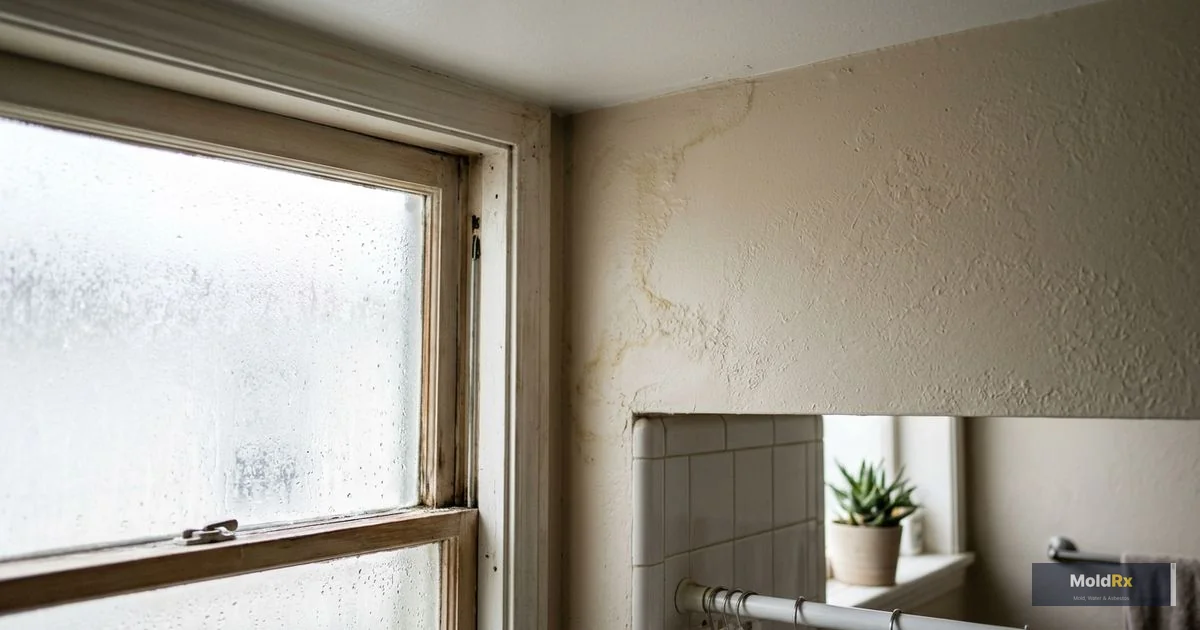
You may have heard that pregnancy affects your immune system. That's true, but the reality is more nuanced than "your immune system is weaker." Understanding the specific changes helps explain why mold exposure during pregnancy deserves extra attention.
Immune System Modulation
During pregnancy, your immune system doesn't simply weaken — it recalibrates. The body shifts away from certain inflammatory immune responses (Th1-type responses) to avoid rejecting the developing fetus. This shift is necessary and normal, but it reduces your ability to mount the same immune response to environmental irritants that you would when not pregnant.
In practical terms, reactions that your immune system handled without noticeable symptoms before pregnancy might now produce congestion, coughing, or respiratory irritation when mold spores are present.
Increased Respiratory Demand
Pregnant women breathe for two. By the third trimester, oxygen consumption increases by roughly 20 percent, and your respiratory rate and tidal volume both rise to meet fetal oxygen needs. You're moving more air through your lungs — which means you're also pulling in more of whatever is in that air, including mold spores and mycotoxin fragments if they're present.
At the same time, the growing uterus pushes upward against the diaphragm, reducing lung capacity in later pregnancy. The combination of needing more air while having less room to breathe means even mild respiratory irritation can feel more significant than it would otherwise.
Higher Blood Volume and Mucosal Changes
Blood volume increases by 30 to 50 percent during pregnancy, causing swelling in mucous membranes throughout the respiratory tract. Many pregnant women experience nasal congestion even without any environmental irritant. When you add mold spore exposure on top of already-swollen nasal passages, the congestion and discomfort compound — and the normal filtering function of your nasal passages may be less effective, potentially allowing more particles to reach the lower respiratory tract.
Hormonal Effects on Airway Sensitivity
Progesterone and estrogen fluctuations during pregnancy can increase airway sensitivity and reactivity. Some women who have never had asthma or allergies develop pregnancy-related respiratory sensitivity for the first time. If mold is present in the environment, these hormonal changes can amplify the body's reaction to it.
What the Research Says — and What It Doesn't
This is where honesty matters more than reassurance. The research on mold exposure specifically during pregnancy is limited. Most of what we know comes from general population studies on mold and respiratory health, research on immune-compromised individuals, and a smaller body of work examining pregnancy outcomes in damp or moldy housing.
What the Evidence Supports
Respiratory effects are well-documented. The connection between mold exposure and respiratory symptoms — coughing, congestion, wheezing, asthma exacerbation — is well established across all populations, including by the CDC, WHO, and EPA. Pregnant women, with their increased respiratory demands and immune modulation, fall into the higher-risk category for these effects.
Damp housing is associated with adverse pregnancy outcomes. Several studies have found associations between living in damp or moldy housing and increased rates of pregnancy complications, including preterm birth and low birth weight. A 2016 study published in Environmental Health Perspectives found that exposure to dampness and mold during pregnancy was associated with adverse respiratory outcomes in offspring. However, these studies often cannot isolate mold as the sole factor — damp housing correlates with other risk factors including poverty, stress, and exposure to other environmental hazards.
Immune-suppressed individuals are more vulnerable. This is consistently supported across the literature. Pregnancy-related immune modulation places expecting mothers in the category of people who should be more cautious about environmental exposures, including mold.
Mycotoxin exposure is a concern at high levels. Mycotoxins — toxic compounds produced by certain mold species — have shown reproductive toxicity in animal studies at high exposure levels. The relevance of these findings to typical residential mold exposure during pregnancy is unclear, but they support the principle of minimizing exposure.
Where the Research Has Gaps
Direct studies on pregnancy and residential mold are limited. There are no large-scale randomized controlled trials — and for ethical reasons, there never will be — examining what happens when pregnant women are exposed to specific mold levels. Most evidence comes from observational studies and extrapolation from related research.
Dose-response relationships are not established for pregnancy. We do not know what level of mold exposure crosses a meaningful risk threshold during pregnancy. This supports a precautionary approach: reduce exposure rather than trying to determine a "safe" level.
Long-term effects on fetal development are not well-characterized. Some animal studies suggest potential effects from mycotoxin exposure, but translating these findings to typical residential scenarios is speculative. There is currently no strong evidence that normal residential mold exposure causes birth defects — but there is also not enough research to definitively rule it out at higher exposure levels.
The honest summary: the documented respiratory and immune effects of mold are reason enough to take exposure seriously during pregnancy. You don't need conclusive pregnancy-specific studies to justify reducing your exposure — the precautionary principle applies.
Symptoms to Watch For
Many mold-related symptoms overlap with normal pregnancy symptoms, which makes them easy to dismiss. Here is what to pay attention to and how to distinguish environmental symptoms from typical pregnancy discomfort.
Respiratory Symptoms
- Persistent nasal congestion beyond typical pregnancy congestion — pregnancy rhinitis is common, but if congestion is noticeably worse at home or in specific rooms, environmental factors may be contributing
- New or worsening cough — particularly a dry cough that doesn't resolve, or one that is clearly worse in certain environments
- Wheezing or chest tightness — especially if you have no prior history of asthma or if your previously controlled asthma is suddenly harder to manage
- Shortness of breath disproportionate to your stage of pregnancy — some breathlessness is normal in the third trimester, but significant difficulty breathing warrants attention regardless of cause
- Sore or irritated throat that persists without other signs of infection
Allergic Symptoms
- Itchy, watery, or red eyes that are worse indoors
- Frequent sneezing in specific rooms or at home generally
- Skin irritation or rashes that develop or worsen without clear cause
- Sinus pressure or headaches that follow an environmental pattern
The Environmental Pattern
The most useful diagnostic clue is the same one that applies outside of pregnancy: symptoms that improve when you leave your home and return when you come back. If you notice that a weekend at a relative's house clears up congestion that has been persistent for weeks, that pattern is worth discussing with your doctor and investigating in your home.
What to Do If You're Pregnant and Suspect Mold
The most important rule: do not attempt to clean or remove mold yourself while pregnant. Disturbing mold growth releases concentrated bursts of spores into the air — exactly the opposite of what you need. Here is the right sequence.
Step 1: Reduce Your Immediate Exposure
Before you have definitive answers, take practical steps to reduce exposure:
- Run a HEPA air purifier in your bedroom and any room where you spend significant time — this won't solve a mold problem, but it reduces airborne spore levels
- Keep humidity below 50 percent — use a dehumidifier if necessary and monitor with an inexpensive hygrometer
- Improve ventilation — open windows when weather permits, use exhaust fans in bathrooms and kitchens
- Avoid spending time in rooms where you notice musty odors or visible mold — if the musty smell is strongest in a particular area, limit your time there
- Do not disturb visible mold — no scrubbing, no bleaching, no wiping. Leave it alone until professionals can handle it
Step 2: Document What You're Seeing
Take photos of any visible mold growth, water stains, or discoloration. Note where musty odors are strongest and whether they're constant or intermittent. Write down when your symptoms started and whether they follow an environmental pattern. This documentation is useful for both medical appointments and professional mold assessments.
Step 3: Get Professional Testing
Professional mold testing gives you objective data instead of guesswork — confirming whether elevated mold levels exist, identifying the types present, and locating hidden growth you can't see. This is especially important during pregnancy because you need to make informed decisions about whether to stay in the home, which rooms to avoid, and how urgently to act. A guide on whether you need a mold test can help you evaluate your situation.
If you've noticed signs of mold behind walls — bubbling paint, warped drywall, persistent musty odors without visible growth — testing is particularly worthwhile since hidden mold can be a more sustained exposure source than visible surface mold.
Step 4: Consult Your OB/GYN
Share your findings with your healthcare provider. They can evaluate whether your symptoms are pregnancy-related, mold-related, or both, determine if additional monitoring is warranted, and provide documentation if you need medical justification to stay elsewhere during remediation.
Step 5: Arrange Professional Remediation
If testing confirms a mold problem, professional mold remediation addresses both the mold and the moisture source that allowed it to grow. Removing visible mold without fixing the underlying cause — a leak, condensation issue, or inadequate ventilation — means the mold will return.
Safe Remediation During Pregnancy
This section is critical: you should not be in the home during active mold remediation if you are pregnant.
Why You Need to Be Out of the Home
Even with proper containment protocols — negative air pressure, sealed barriers, HEPA filtration — the process of physically removing mold-contaminated materials generates significant spore disturbance within the work area. The risk of exposure, however small with proper containment, is unnecessary during pregnancy.
How Long You'll Need to Be Away
The duration depends on the scope of the problem:
- Small, localized remediation (single bathroom, small wall section): typically one to three days including post-remediation air scrubbing
- Moderate remediation (multiple rooms, concealed wall mold): three to five days
- Extensive remediation (large-scale water damage, widespread growth): may take a week or more
Your remediation team should provide a timeline before work begins and clearance testing results before you return.
Before You Return
Insist on clearance testing — independent air sampling performed after remediation to verify that mold levels have returned to normal ranges. Do not rely solely on visual inspection. Confirm that the remediation team addressed the moisture source, not just removed the mold, and that the area has been thoroughly dried and verified with moisture meters.
If Remediation Is Not Immediately Possible
Sometimes remediation needs to be scheduled or budgeted. During the waiting period, maximize your use of HEPA air purifiers, keep the affected area sealed off as much as possible, maintain low humidity throughout the home, and if the problem is extensive, consider staying with family or friends until it can be addressed — particularly during your third trimester when respiratory demands are highest.
When to Talk to Your OB/GYN
Schedule a Conversation If:
- You have confirmed or strongly suspected mold in your home and want guidance on risk to your pregnancy
- You're experiencing persistent respiratory symptoms — congestion, cough, wheeze — that follow an environmental pattern
- You have pre-existing asthma or mold allergies and are concerned about worsening symptoms during pregnancy
- You want documentation supporting the need to temporarily relocate during remediation
- You've been exposed to a significant mold event — such as discovering extensive hidden mold or experiencing a flood
Seek Prompt Medical Attention If:
- You're experiencing significant difficulty breathing, chest tightness, or wheezing that limits your activity
- You develop a fever alongside respiratory symptoms, which could indicate a respiratory infection
- You have asthma and your rescue inhaler is not providing adequate relief
- You notice decreased fetal movement coinciding with a period of increased symptoms
What to Tell Your Doctor
Be specific: mention that you've found mold or suspect it, describe the extent and what testing has revealed, explain the pattern of your symptoms relative to your home environment, note how far along you are, and mention any pre-existing respiratory conditions. Your OB/GYN may want to monitor your respiratory function more closely or coordinate with a specialist if symptoms are significant.
10 Frequently Asked Questions
Is mold dangerous during pregnancy?
Mold exposure during pregnancy deserves extra caution because of immune system changes and increased respiratory demands, but "dangerous" depends on extent and duration. Brief contact with small amounts of common household mold is unlikely to cause harm. Prolonged exposure to elevated levels in living spaces is a more legitimate concern, primarily because of respiratory effects and immune stress. The appropriate response is to reduce exposure and address the source, not to panic.
Can mold cause a miscarriage?
There is no established scientific evidence that typical residential mold exposure causes miscarriage. Some animal studies have shown reproductive effects from high-dose mycotoxin exposure, but these involve levels far beyond what occurs in normal residential settings. If you're finding this claim in online searches, be cautious about sources — misinformation about mold and pregnancy is common. Discuss specific concerns with your OB/GYN, who can provide guidance based on your actual situation.
Can I clean mold myself while pregnant?
No. Disturbing mold — scrubbing, spraying, wiping — releases concentrated spores into the air, and chemical cleaning products themselves may pose risks during pregnancy. Have someone else handle small surface mold, and call for professional mold remediation for anything beyond minor surface growth.
Is it safe to live in a house with mold while pregnant?
It depends on the extent, location, and your symptoms. Small amounts of surface mold in a bathroom are a different situation than extensive hidden mold behind your bedroom walls. If you have confirmed elevated mold levels in living spaces and are experiencing symptoms, discuss temporary relocation with your healthcare provider — particularly if remediation will take time to arrange.
What types of mold are most concerning during pregnancy?
All indoor mold growth should be addressed regardless of type. Certain species produce mycotoxins (Stachybotrys, Aspergillus, some Penicillium species) that are more biologically active, but you cannot identify species by color or appearance alone — black mold is not necessarily more dangerous than other types. Professional testing can identify what's present if that information would help guide decisions.
My home smells musty but I can't see any mold. Should I be concerned while pregnant?
Yes — a persistent musty smell typically indicates hidden mold growth that you can't see, often behind walls, under flooring, or in HVAC systems. Hidden mold can be a more sustained exposure source than visible mold because it goes unaddressed longer. During pregnancy, this is worth investigating with professional mold testing rather than waiting to see if visible mold appears.
Will mold exposure during pregnancy affect my baby after birth?
Research is limited but evolving. Some studies suggest prenatal exposure to damp, moldy environments may be associated with increased respiratory sensitivity in infants — including higher rates of wheezing and potential asthma development. These findings come from observational studies that cannot fully isolate mold as the cause, but reducing exposure during pregnancy is a reasonable precaution that also benefits your child's environment after birth.
Can pregnancy hormones make me more sensitive to mold?
Yes. Hormonal changes during pregnancy — particularly elevated progesterone and estrogen — can increase airway reactivity and mucosal sensitivity. Some women develop pregnancy rhinitis (chronic nasal congestion) or experience heightened allergic responses to environmental triggers they previously tolerated without symptoms. If you've noticed new sensitivity to your home environment during pregnancy, it's worth investigating whether mold could be contributing.
How quickly should I address mold if I'm pregnant?
Move promptly but not recklessly. Reducing your exposure should begin immediately — HEPA purifiers, avoiding affected areas, improving ventilation. Schedule professional remediation as soon as practical. If the problem is extensive and concentrated in areas where you spend significant time, discuss interim relocation with your healthcare provider.
Does mold exposure during pregnancy qualify as high-risk?
Mold exposure alone does not typically change your pregnancy risk classification. However, if you have pre-existing asthma or mold allergies being exacerbated by exposure, your provider may increase monitoring. The combination of pregnancy-related immune changes and significant ongoing mold exposure is a reasonable basis for a conversation with your OB/GYN about adjustments to your care plan.
Taking the Right Next Step
Finding mold during pregnancy adds stress to an already demanding time — but the path forward is practical and manageable. You don't need to panic, and you don't need to ignore it. You need information, proportional action, and the right support.
The sequence is straightforward: reduce your immediate exposure, get objective data through professional testing, consult your healthcare provider, and address the source through proper remediation — while staying out of the home during active removal.
Most mold situations in homes are resolvable. Your pregnancy makes it more important to act rather than wait, but it doesn't change the fundamental approach: find the problem, fix the moisture source, remove the mold, and verify the results.
MoldRx provides professional mold testing and mold remediation throughout Southern California. If you're pregnant and concerned about mold in your home, we can help you understand what you're dealing with and what needs to happen next — quickly and without adding to your stress. Call (888) 609-8907 or request an estimate for straightforward answers and honest assessment.