You searched "is mold in my house dangerous" and got two very different answers. One side says mold is a silent killer responsible for chronic illness and neurological damage. The other side says mold is natural, everywhere, and basically harmless.
The truth is somewhere in between — and the actual science is more nuanced than either narrative. Mold exposure can cause real, well-documented health effects, particularly respiratory symptoms and allergic reactions. Some people are significantly more vulnerable than others. But the "toxic mold" framing that dominates online discussion often overstates the evidence.
This guide covers what major health agencies say, which health effects are well-supported by evidence, which claims are less certain, who faces the greatest risk, and how to make informed decisions about mold in your home.
The Short Answer
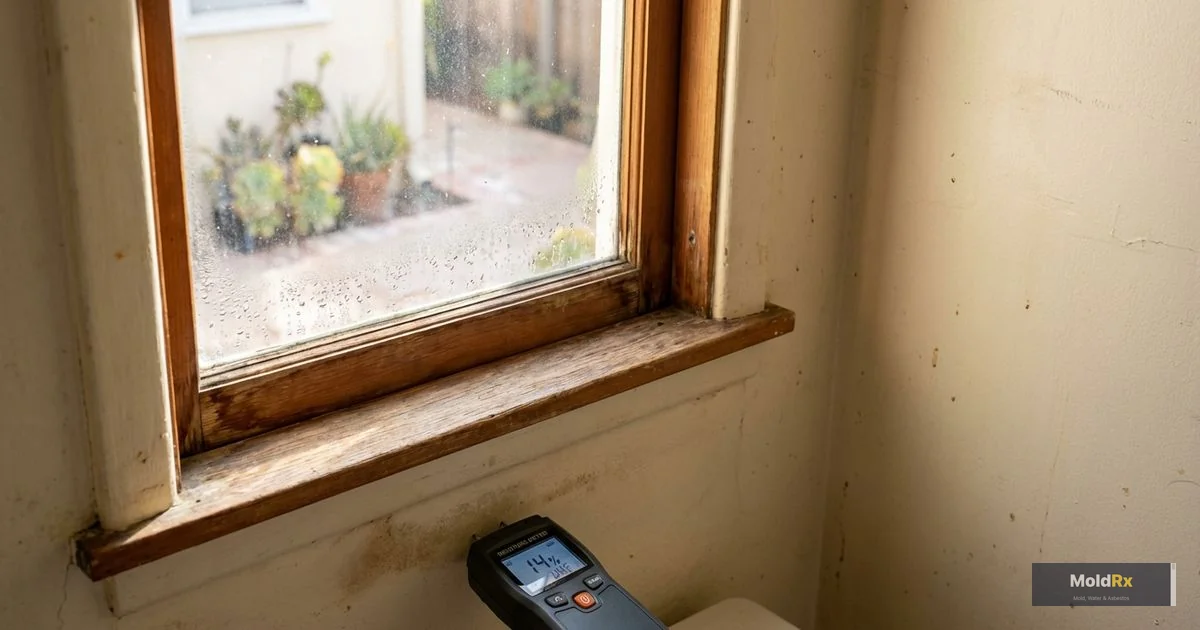
Mold exposure can cause respiratory symptoms, allergic reactions, and asthma exacerbation in many people. In immunocompromised individuals, certain mold species can cause serious infections. The severity depends on the type of mold, concentration and duration of exposure, and the individual's immune status and sensitivities.
Mold is not harmless. It is also not the universal toxin that some media coverage suggests. The appropriate response is informed action based on your specific situation.
What the CDC, EPA, and WHO Actually Say
The major health and environmental agencies have published extensive guidance on mold and health. Their positions are broadly consistent, and they're more measured than what you'll find in most online articles.
Centers for Disease Control and Prevention (CDC)
The CDC states that mold exposure can cause nasal stuffiness, throat irritation, coughing or wheezing, eye irritation, and skin irritation in sensitive individuals. People with mold allergies may have more severe reactions, and immunocompromised people can develop serious lung infections.
Importantly, the CDC does not classify any mold as "toxic." While certain molds produce mycotoxins, the term "toxic mold" is not accurate — the molds themselves are not toxic, though they may produce toxic substances. The CDC recommends removing mold and addressing the moisture source regardless of type.
Environmental Protection Agency (EPA)
The EPA's position is straightforward: if you can see or smell mold, there is a potential health risk, and the mold should be removed. There are no federal standards for airborne mold concentrations — not because mold is safe, but because individual sensitivity varies so widely that no universally applicable threshold exists. The EPA recommends controlling moisture as the primary strategy and notes that species identification is not necessary before taking action.
World Health Organization (WHO)
The WHO's 2009 guidelines on indoor air quality conclude there is sufficient evidence linking indoor dampness and mold with respiratory symptoms, asthma development, and asthma exacerbation. The WHO explicitly recommends that "persistently damp and moldy buildings should be remediated" and identifies building dampness as a public health concern, even when specific causal agents haven't been isolated in every case.
The Consistent Message
All three agencies agree on several points: mold exposure can cause health effects, especially respiratory and allergic symptoms. Certain populations are more vulnerable. The appropriate response is to remove the mold and fix the moisture problem. And extensive identification or testing, while sometimes useful, is less important than actually addressing the problem.
Well-Established Health Effects
The following health effects have strong scientific support — meaning multiple peer-reviewed studies, systematic reviews, and agency consensus link them to mold exposure.
Allergic Rhinitis (Nasal Allergy Symptoms)
Mold is a well-established allergen. When mold-sensitive individuals inhale spores, their immune system triggers an inflammatory response — nasal congestion, sneezing, runny nose, postnasal drip, itchy or watery eyes, and sinus pressure. These symptoms are essentially hay fever triggered by mold rather than pollen, and they can be seasonal or year-round when caused by indoor mold growth. An estimated 10% of the general population has IgE antibodies to common mold allergens, meaning they are sensitized and likely to react upon exposure.
Asthma Exacerbation
The link between mold exposure and asthma worsening is one of the most consistently supported findings in the research. For people with existing asthma, mold exposure can trigger attacks, increase the frequency and severity of symptoms, reduce lung function, and increase medication use.
A 2007 meta-analysis published in the journal Indoor Air found that visible mold or dampness in the home was associated with a 30-50% increase in respiratory and asthma-related health outcomes. The Institute of Medicine's landmark 2004 report, Damp Indoor Spaces and Health, concluded there was "sufficient evidence of an association" between mold exposure and asthma exacerbation in sensitized individuals.
For parents of asthmatic children, this is particularly significant. Indoor mold exposure in early childhood has been associated with increased asthma development — not just worsening of existing asthma, but potentially contributing to its onset.
Upper and Lower Respiratory Symptoms
Beyond allergies and asthma specifically, mold exposure is associated with coughing, wheezing, shortness of breath, chest tightness, and throat irritation in both sensitized and non-sensitized individuals. These symptoms tend to improve when exposure is reduced — which is one of the reasons doctors sometimes suspect mold involvement when symptoms are clearly worse at home and improve when the person is away.
Hypersensitivity Pneumonitis
In some individuals, repeated mold exposure triggers a more serious inflammatory lung condition called hypersensitivity pneumonitis (HP). This goes beyond standard allergic reactions — HP involves inflammation of the lung tissue itself rather than just the airways. Acute episodes cause fever, chills, cough, and shortness of breath. Chronic exposure can lead to progressive lung scarring.
HP from mold exposure is relatively uncommon in residential settings but is well-documented in occupational contexts — agricultural workers, building maintenance staff, and others with heavy, sustained mold exposure. It's a reminder that concentration and duration of exposure matter significantly.
Infections in Immunocompromised Individuals
For people with weakened immune systems, certain mold species pose a direct infection risk rather than just an allergic or irritant risk. Aspergillosis — infection caused by Aspergillus species — is the most clinically significant example.
In healthy people, the immune system destroys inhaled Aspergillus spores without issue. In immunocompromised individuals — organ transplant recipients, people undergoing chemotherapy, those with advanced HIV/AIDS, or people on immunosuppressive medications — Aspergillus can colonize the lungs and cause invasive, potentially life-threatening disease. Invasive aspergillosis is a recognized cause of mortality in immunocompromised patients.
Less Certain but Plausible Effects
The following health effects have some scientific support but are less firmly established. The research is ongoing, and reputable health agencies generally describe these associations as "limited" or "suggestive" rather than definitive.
Mycotoxin Exposure in Residential Settings
Mycotoxins — toxic secondary metabolites produced by certain molds including Stachybotrys chartarum, Aspergillus flavus, and some Penicillium species — are genuinely harmful substances. Their toxicity is well-established in agricultural and occupational contexts.
The less settled question is whether mycotoxin levels in typical water-damaged homes reach concentrations sufficient to cause health effects through inhalation. Some studies have detected mycotoxins in air and dust samples from moldy buildings, but concentrations are generally much lower than those associated with toxic effects in occupational studies. The CDC states that "a causal link between the presence of the toxigenic mold Stachybotrys chartarum and serious health conditions has not been proven."
This doesn't mean mycotoxin exposure from residential mold is definitively harmless — it means the dose-response relationship is not well-characterized. The honest scientific position is uncertainty rather than either confirmation or dismissal.
Cognitive and Neurological Symptoms
Some patients report cognitive symptoms — difficulty concentrating, memory problems, brain fog — associated with mold exposure. A few small studies have found neurobehavioral deficits in mold-exposed individuals, but these findings have not been consistently replicated in controlled studies. Confounding factors (stress, disrupted sleep, anxiety) make it difficult to isolate mold as the causal agent. The Institute of Medicine's 2004 report found "inadequate or insufficient evidence" to determine whether mold exposure causes neurological effects.
Chronic Fatigue-Like Symptoms
Some people exposed to moldy environments report persistent fatigue, malaise, and general unwellness that resembles chronic fatigue syndrome. While there are case reports and small studies suggesting an association, large-scale controlled studies establishing a clear causal link are lacking.
What is clear is that chronic sinus inflammation, poor sleep due to nasal congestion, and the stress of dealing with a mold problem can all independently produce fatigue. Whether mold produces fatigue through an additional direct mechanism remains an open question.
Respiratory Infection Susceptibility
Some research suggests that living in damp, moldy environments may increase susceptibility to respiratory infections — possibly because chronic airway irritation reduces the respiratory system's ability to fight off bacterial and viral infections. The WHO has noted this association, but the evidence is classified as "suggestive" rather than definitive.
Who Is Most at Risk
Mold exposure does not affect everyone equally. Certain groups face substantially higher risk of adverse health effects.
People with existing respiratory conditions. If you have asthma, COPD, or other chronic respiratory conditions, mold exposure is more likely to cause symptoms and more likely to cause severe symptoms.
People with mold allergies. An estimated 10% of the population is sensitized to mold allergens. For these individuals, even moderate exposure can trigger allergic rhinitis, asthma attacks, and other allergic symptoms.
Immunocompromised individuals. People with weakened immune systems face the most serious risk, including invasive fungal infections. If anyone in your household is immunocompromised, addressing mold problems quickly is a medical priority, not just a maintenance issue.
Infants and young children. Children's respiratory systems are still developing, and they breathe more air relative to their body weight than adults. Early childhood mold exposure may contribute to asthma development.
Elderly individuals. Age-related decline in immune function and higher prevalence of chronic respiratory conditions place older adults at increased risk.
People with genetic susceptibility. Research has identified genetic variations that may make some individuals more susceptible to mold-related health effects — which may explain why some family members are significantly affected while others in the same home are not.
Common Symptoms Checklist
If you suspect mold may be affecting your health, look for this pattern of symptoms — particularly symptoms that are consistently worse at home and improve when you're away for an extended period.
Respiratory symptoms:
- Nasal congestion or runny nose
- Sneezing
- Coughing (dry or productive)
- Wheezing
- Shortness of breath
- Chest tightness
- Throat irritation
Allergic symptoms:
- Itchy, watery, or red eyes
- Skin rash or irritation
- Sinus pressure or headache
- Postnasal drip
General symptoms that may be associated:
- Fatigue or malaise
- Difficulty concentrating
- Headaches
- Worsening of existing asthma symptoms
The key diagnostic clue is the relationship between symptoms and environment. If your symptoms are consistently worse in a specific building and improve when you spend time away — a vacation, a weekend elsewhere, time at work versus time at home — that environmental connection is significant and worth discussing with a doctor.
When to See a Doctor
You should consult a healthcare provider if any of the following apply:
- You're experiencing persistent respiratory symptoms — coughing, wheezing, shortness of breath — that don't resolve with typical treatment or that correlate with time spent in a specific building.
- You've noticed a clear environmental pattern where symptoms worsen at home and improve away from home.
- You're in a high-risk category (asthmatic, immunocompromised, very young, elderly) and know or suspect mold is present in your home.
- Symptoms are interfering with daily life — disrupted sleep, missed work or school, reduced ability to exercise or function normally.
- You have a confirmed mold problem and want medical guidance on whether your symptoms are related and how to manage them during and after remediation.
When you see a doctor, be specific about the environmental connection. Mentioning that symptoms are worse at home, that you've had water damage, or that you've found mold in your home gives your doctor useful clinical context. Allergy testing for mold-specific IgE antibodies can confirm whether you're sensitized to mold allergens.
The "Toxic Mold" Narrative vs. Reality
The term "toxic mold" entered public consciousness in the late 1990s and early 2000s, driven by high-profile lawsuits and media coverage. The phrase has since become deeply embedded in how people think about mold — but it's worth examining where the evidence actually stands.
What's real: Certain mold species produce mycotoxins — genuinely toxic substances. Mold exposure causes documented health effects in many people. Water-damaged buildings with significant mold growth create unhealthy indoor environments. These are established facts, not media invention.
What's overstated: The framing that all mold is "toxic," that any mold in a home constitutes a health emergency, or that mold exposure explains a wide array of chronic, multi-system health complaints. Some practitioners promote expensive testing panels and treatment protocols for "mold illness" not supported by mainstream medical evidence.
What's dismissed unfairly: Some skeptics suggest mold is essentially harmless and that anyone reporting mold-related symptoms is imagining things. This ignores substantial evidence for respiratory and allergic effects and underestimates the severity of mold's impact on vulnerable populations.
The balanced position: Mold is a legitimate environmental health concern that causes real symptoms in real people. The appropriate response is to take mold seriously — remove it, fix the moisture source, protect vulnerable people — without adopting unfounded theories about universal mold toxicity.
If you suspect mold in your home, a professional mold test can determine whether elevated mold levels exist, help identify potential hidden growth, and give you objective data to work with rather than relying on speculation. Whether you need a mold test depends on your specific situation.
10 Frequently Asked Questions
Is mold in my house dangerous?
It depends on the type and amount of mold, the level of exposure, and the health status of the people in the home. Small surface mold in a bathroom is a different situation than widespread hidden mold after water damage. For most healthy adults, limited exposure causes irritation at worst. For people with allergies, asthma, or compromised immune systems, even moderate exposure can cause significant symptoms.
What are the most common symptoms of mold exposure?
The most commonly reported symptoms are respiratory — nasal congestion, coughing, sneezing, wheezing, and throat irritation. Allergic reactions including itchy eyes and skin irritation are also common. Asthma exacerbation is one of the most significant documented effects. These symptoms typically worsen with continued exposure and improve when exposure is reduced.
Can mold make you sick long-term?
Prolonged exposure to high mold levels can cause chronic respiratory symptoms and may contribute to asthma development or hypersensitivity pneumonitis. For immunocompromised individuals, ongoing exposure carries a risk of serious fungal infection. For most healthy individuals, removing the mold source leads to symptom resolution over time.
Is black mold more dangerous than other mold?
Not necessarily. "Black mold" typically refers to Stachybotrys chartarum, which produces mycotoxins. But many harmless molds are black, and many potentially harmful molds are other colors. You cannot determine health risk by mold color. The CDC recommends treating all mold growth the same way: remove it and fix the moisture source.
Do I need to test the mold in my house to know if it's dangerous?
The CDC and EPA both state that it is generally not necessary to identify mold species. The remediation approach is the same regardless of type — remove the mold and eliminate the moisture source. Testing is most useful when you suspect hidden mold, need documentation for insurance or real estate purposes, or want to verify that remediation was successful. Learn more about when mold testing makes sense.
Can mold cause headaches?
Sinus-related headaches from mold-triggered nasal inflammation and congestion are well-documented. Whether mold causes headaches through other mechanisms (mycotoxin exposure, neurological effects) is less certain. If you're experiencing headaches that worsen at home and improve elsewhere, the environmental connection is worth investigating.
How much mold exposure is dangerous?
There is no established "safe" or "dangerous" threshold for airborne mold exposure. Individual responses vary enormously — a level that causes no symptoms in one person may trigger significant reactions in another. This is one reason the EPA has not set regulatory limits.
Can mold exposure cause permanent lung damage?
In most cases of allergic or irritant response, removing the mold exposure leads to recovery. However, chronic hypersensitivity pneumonitis from prolonged, heavy exposure can cause permanent lung scarring (fibrosis). Invasive aspergillosis in immunocompromised patients can also cause lasting damage. For typical residential exposure in otherwise healthy people, permanent lung damage is unlikely with prompt remediation.
My doctor says my symptoms aren't from mold. Should I get a second opinion?
It's reasonable to seek a second opinion if you have a clear environmental pattern (symptoms worse at home, better away) and your doctor hasn't addressed that connection. An allergist or pulmonologist with experience in environmental triggers may be helpful. Be cautious of practitioners who diagnose "mold illness" using unvalidated tests or recommend treatment protocols not supported by mainstream medical evidence.
How quickly do mold health symptoms appear?
Allergic reactions can occur within minutes to hours of exposure, similar to hay fever during high pollen counts. Chronic symptoms from ongoing exposure develop gradually over weeks or months. The timeline depends on concentration of exposure, individual sensitivity, and whether the person has existing mold sensitization.
What to Do If You're Concerned
If you're experiencing symptoms that might be mold-related, or if you've found mold in your home, here are the practical next steps:
Address the mold itself. Health symptoms will continue as long as exposure continues. If you have visible mold or suspect hidden growth, professional assessment tells you what you're dealing with. If mold remediation is needed, qualified professionals can remove the mold, address the moisture source, and verify the work with clearance testing.
See your doctor. Describe your symptoms and the environmental connection. Ask about allergy testing if you suspect mold sensitization. Follow medical guidance for symptom management.
Don't wait for symptoms to get worse. Mold grows. What's a moderate problem today can become an extensive one in weeks. Early intervention is less disruptive, less expensive, and better for your health.
MoldRx coordinates professional mold testing and mold remediation throughout Southern California. If you're unsure whether your home has a mold problem, or if you're already experiencing symptoms and want answers, call (888) 609-8907 or request an estimate to get honest guidance on your situation.