You found mold in your rental. Maybe it's spreading across the bathroom ceiling, or you noticed a musty smell coming from the bedroom closet wall. Your first question is probably: whose problem is this?
Under California law, landlords are required to maintain habitable living conditions — and that includes addressing mold caused by building deficiencies like roof leaks, plumbing failures, and inadequate ventilation. But the picture isn't one-sided. Tenants carry responsibilities too, particularly around reporting problems promptly and maintaining reasonable airflow in the unit.
This guide breaks down the legal framework, practical responsibilities, timelines, and documentation strategies for both landlords and tenants dealing with mold in California rental properties.
California's Implied Warranty of Habitability
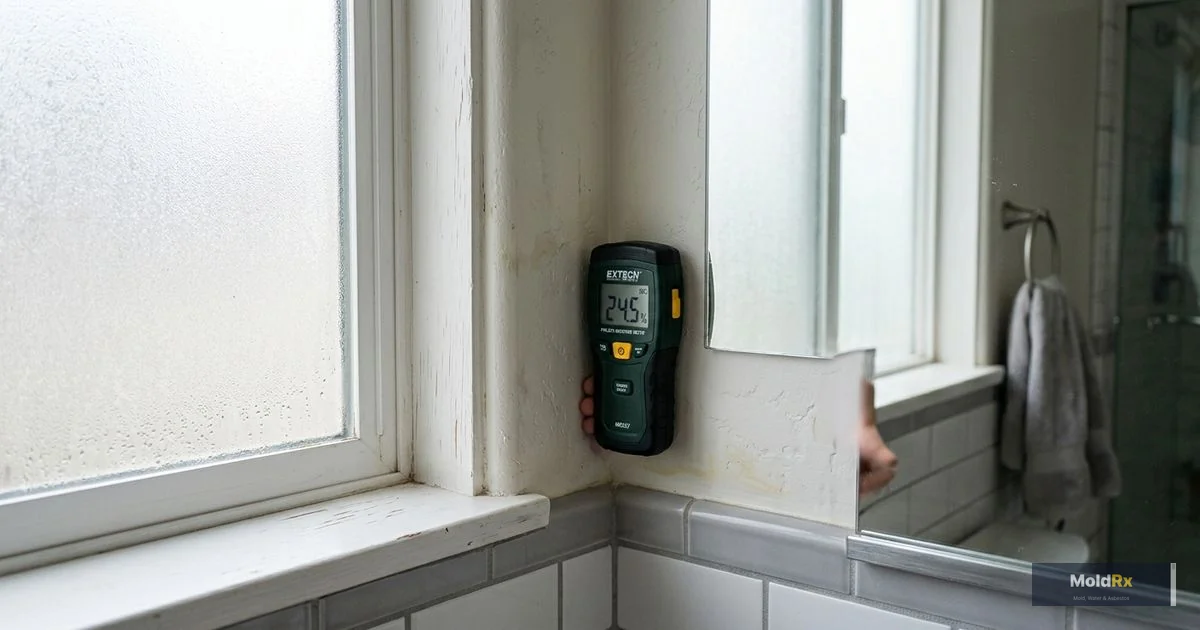
California Civil Code Section 1941 establishes that every residential landlord has an obligation to maintain rental units in a condition "fit for human occupation." This is known as the implied warranty of habitability — it exists in every residential lease by operation of law, even if the lease doesn't mention it. Landlords cannot waive it, and tenants cannot be forced to waive it.
The warranty requires landlords to maintain:
- Effective waterproofing and weather protection of the roof and exterior walls
- Plumbing facilities in good working order
- Adequate ventilation including functioning windows and exhaust fans
- Floors, stairways, and railings in good repair
- Freedom from pest and vermin infestations
Mold isn't listed by name in the statute. California has no specific statewide mold standard or threshold for residential properties — unlike some states that have adopted numeric limits for indoor mold spore counts. But that doesn't mean mold gets a free pass. When mold results from a failure in any of the habitability categories above — a leaking roof, broken plumbing, insufficient ventilation — the landlord's obligation to repair the underlying deficiency is clear, and remediating the resulting mold is part of restoring habitability.
California courts have consistently interpreted the habitability standard to cover conditions that pose health risks to tenants. Since mold exposure can cause documented health effects — including respiratory symptoms, allergic reactions, and aggravation of asthma — mold growth that results from building deficiencies falls squarely within the landlord's responsibility.
What Landlords Are Responsible For
Landlord responsibility for mold centers on the building systems and structural conditions that create the moisture mold needs to grow.
Structural Moisture Intrusion
When mold results from a building deficiency, the landlord is responsible for both repairing the deficiency and remediating the mold. This includes:
- Roof leaks that allow water into attic spaces, ceilings, or walls
- Exterior envelope failures — cracked stucco, failed flashing, deteriorated window seals
- Foundation or slab moisture that wicks into walls or flooring
- Grading and drainage issues that direct water toward the building
These conditions existed before the tenant moved in or developed through normal building aging. They're building maintenance issues, not tenant-caused problems.
Plumbing Failures
Plumbing is one of the most common sources of hidden moisture that leads to mold in rentals. Landlords are responsible for maintaining all plumbing systems, including:
- Supply line leaks in walls or under slabs
- Drain line failures and sewage backups
- Fixture failures — leaking faucets, running toilets, failed water heater connections
- Washing machine connections and supply lines in units that include laundry hookups
A slow leak behind a wall can produce significant mold growth before anyone notices. If you're a tenant, understanding the signs of hidden mold behind walls helps you catch these problems earlier.
Ventilation Deficiencies
California Building Code requires mechanical ventilation in bathrooms and kitchens. When exhaust fans are broken, missing, or inadequately sized, moisture from daily activities like showering and cooking accumulates in the unit. Landlords are responsible for:
- Repairing or replacing non-functional exhaust fans
- Ensuring HVAC systems function properly and don't introduce moisture problems
- Maintaining operable windows that allow natural ventilation
- Addressing condensation issues caused by inadequate insulation or building design
If a tenant is generating normal amounts of moisture through cooking and bathing, and the building's ventilation systems aren't adequate to manage that moisture, the resulting mold is a building deficiency — not tenant negligence.
Prior Knowledge and Disclosure
California Civil Code Section 1102.6a requires sellers of residential property to disclose known mold. While this statute specifically addresses sales, landlords have a related obligation under general disclosure principles. If a landlord knows about a mold condition and fails to disclose it to a prospective tenant, that failure can establish liability.
If a property has a history of mold problems, landlords should disclose that history and explain what remediation was performed. Concealment creates significantly greater legal exposure than transparent disclosure.
What Tenants Are Responsible For
Tenants are not passive participants in mold prevention. California law recognizes that tenants have obligations too, and failing to meet them can shift responsibility.
Prompt Reporting
This is the single most important tenant responsibility. California Civil Code Section 1941.3 and case law establish that tenants must notify landlords of conditions that need repair within a reasonable time. For moisture and mold, "reasonable" means as soon as you become aware of the problem.
Why this matters: a small plumbing leak reported within a day or two is a repair job. That same leak left unreported for three months becomes a mold remediation project that may require demolishing walls and displacing the tenant. Courts consider whether a tenant's failure to report a known condition contributed to the scope of the damage.
Report in writing. Always. An email, text message, or letter creates a dated record. A verbal report to a maintenance worker may or may not be remembered later. If you report verbally, follow up with a written summary.
Maintaining Reasonable Ventilation
Tenants are expected to use the ventilation systems the building provides. This means:
- Running bathroom exhaust fans during and after showers — ideally for 15-20 minutes after the water stops
- Using kitchen ventilation when cooking produces steam
- Not blocking air vents with furniture, curtains, or storage
- Opening windows periodically when weather and security permit
- Not sealing windows shut or blocking intentional ventilation pathways
A tenant who showers daily with the bathroom door closed, the exhaust fan off, and windows sealed is creating moisture conditions the building wasn't designed to handle. If mold results from that pattern, the landlord has a legitimate argument that the tenant contributed to the problem.
Not Causing Moisture Problems
Some mold conditions are clearly tenant-caused:
- Spills or water incidents the tenant failed to clean up
- Overwatering indoor plants placed against walls
- Operating humidifiers in already-humid spaces
- Drying laundry indoors without ventilation in poorly ventilated units
- Blocking or disabling exhaust fans
When mold results from tenant-created moisture that the building's systems weren't designed to handle, the tenant may bear responsibility for remediation costs.
Notification and Response Timelines
California doesn't establish a specific number of days a landlord has to respond to a mold complaint. But the implied warranty of habitability, combined with Civil Code Section 1942, creates a framework.
The 30-Day Benchmark
Under Civil Code Section 1942, if a landlord fails to make repairs within 30 days of written notice, a tenant may exercise certain remedies including "repair and deduct" (paying for repairs and deducting the cost from rent) or abandoning the premises. The 30-day period can be shortened if the condition creates an urgent health or safety risk.
For mold, a reasonable response timeline looks like this:
Within 48 hours of receiving notice: The landlord should acknowledge the report and arrange for an inspection of the condition. This doesn't mean remediation starts in 48 hours — it means the landlord has initiated a response.
Within 1-2 weeks: For confirmed mold, the landlord should have engaged appropriate professionals to assess the scope, identify the moisture source, and develop a remediation plan. For minor surface mold with an obvious cause (like a leaking faucet), repairs should be underway or completed.
Within 30 days: For significant mold conditions requiring professional remediation, work should be scheduled or in progress. If the scope requires more time — for example, coordinating temporary relocation for the tenant — the landlord should communicate the timeline in writing.
Immediate response required: If the mold condition presents an immediate health risk — extensive visible growth, severely elevated spore counts, or a tenant experiencing acute health symptoms — faster action is expected. Courts evaluate "reasonable time" based on the severity of the condition.
Documentation for Both Parties
Whether you're the landlord or the tenant, documentation protects you. If a mold dispute goes to mediation, arbitration, or court, the party with better documentation almost always has the stronger position.
Tenants should document:
- Photos and video of the mold condition with dates
- Written notices sent to the landlord (save copies of emails, texts, or letters)
- The landlord's response — or lack of response — with dates
- Maintenance requests through any property management portal
- Health symptoms that correlate with the mold exposure, including any medical visits
- Any rent payments made during the period of the deficiency
Landlords should document:
- Date and content of the tenant's initial report
- Inspection findings including photos and moisture readings
- Professional assessments — mold testing results, remediation scope of work
- Repair and remediation records — what was done, when, by whom
- Communication with the tenant about timelines and plans
- Clearance testing results after remediation is complete
- The moisture source that was identified and how it was corrected
When Professional Remediation Is Required
Not every mold situation requires a licensed remediation company. But many do, and the distinction matters — particularly in a rental context where both parties need documentation that the problem was properly resolved.
Minor Surface Mold
Small patches of surface mold on non-porous surfaces — a few square inches on bathroom tile grout or a window frame — can often be cleaned with appropriate antimicrobial products. This is routine maintenance.
When to Call Professionals
Professional mold remediation is warranted when:
- Mold covers more than about 10 square feet (the EPA's threshold for recommending professional involvement)
- Mold is growing on porous materials like drywall, carpet, or insulation — these materials typically need to be removed rather than cleaned
- Mold is in concealed spaces — inside wall cavities, under flooring, in HVAC ductwork
- The moisture source isn't obvious and requires investigation
- Occupants are experiencing health symptoms potentially related to mold exposure
- The property is being prepared for a new tenant after a known mold condition
For rental properties specifically, professional remediation provides something critical that DIY cleanup doesn't: documentation. A professional remediation company provides a scope of work, follows established protocols (IICRC S520, ANSI/IICRC), and can provide clearance testing showing the work was successful. That documentation protects both the landlord and the tenant.
When hiring a remediation company, knowing how to evaluate your options ensures the work meets recognized standards and provides proper documentation.
Mold Testing
Mold testing serves specific purposes in rental property disputes:
- Establishing baseline conditions before or after remediation
- Identifying whether a health concern is mold-related or caused by something else
- Providing objective evidence of the scope of contamination
- Confirming successful remediation through post-clearance testing
Testing should be performed by a party independent from the remediation company. When the same company tests and remediates, there's an inherent conflict of interest.
What Happens When Landlords and Tenants Disagree
Mold disputes in California rental properties typically fall into a few patterns: the landlord says the tenant caused the mold, the tenant says the landlord is ignoring the problem, or the parties disagree about the scope of the response needed.
Tenant Remedies Under California Law
If a landlord fails to address a mold condition within a reasonable time after written notice, tenants have several options:
Repair and Deduct (Civil Code Section 1942): The tenant can hire a professional to address the condition and deduct the cost from rent, up to one month's rent. This remedy is available twice in any 12-month period. Tenants should document the landlord's failure to respond and get a reasonable estimate before proceeding.
Rent Withholding: Under the Green v. Superior Court (1974) decision, tenants may withhold rent when conditions substantially impair habitability. This is a stronger remedy but carries more risk — tenants should deposit withheld rent in a separate account and ideally consult with a tenant rights attorney before taking this step.
Reporting to Code Enforcement: Tenants can file a complaint with their local building or housing department. An inspector will evaluate the property and can issue a notice of violation requiring the landlord to make repairs within a specific timeframe.
Civil Action: Tenants can sue for breach of the implied warranty of habitability, seeking rent reduction for the period they lived with the condition, relocation costs, property damage, and in some cases emotional distress damages.
Landlord Protections
Landlords are not without recourse when tenants contribute to mold conditions:
Documenting tenant-caused conditions: If a mold condition results from tenant behavior — disabling ventilation, unreported spills, excessive indoor humidity — documentation of those conditions supports the landlord's position.
Lease provisions: While landlords cannot waive habitability obligations, leases can include provisions requiring tenants to report moisture and mold promptly, use ventilation as intended, and maintain reasonable humidity levels. These provisions create a clear framework for tenant obligations.
Move-in and move-out inspections: Documented property condition at the start and end of tenancy establishes what conditions existed before the tenant and what developed during occupancy.
Mediation
Before litigation, many California jurisdictions offer mediation services for landlord-tenant disputes. Mediation is typically faster, less expensive, and more likely to produce a workable solution than court proceedings. Many lease agreements include mediation clauses.
Frequently Asked Questions
Is there a specific California law about mold in rentals?
California does not have a standalone mold statute for residential rentals. Mold obligations derive from the implied warranty of habitability (Civil Code Section 1941), general landlord repair obligations, and case law. Senate Bill 655 (2001) directed the California Department of Health Services to study mold and develop guidelines, but no numeric mold standards for residential properties have been adopted.
Can a landlord evict a tenant for reporting mold?
No. California Civil Code Section 1942.5 prohibits retaliatory eviction. If a tenant reports a habitability issue — including mold — and the landlord responds with an eviction notice within 180 days, there is a legal presumption that the eviction is retaliatory. Retaliatory eviction is an affirmative defense in unlawful detainer proceedings.
Do landlords have to pay for mold testing?
When a tenant reports a suspected mold condition, the cost of investigating that condition — including testing — falls on the landlord as part of the maintenance obligation. If a tenant independently commissions testing, those costs may be recoverable from the landlord if the testing confirms a condition the landlord failed to address.
Can I withhold rent because of mold?
Potentially, but proceed carefully. Rent withholding is a recognized remedy under California law when conditions substantially impair habitability, but it requires that you gave written notice, allowed reasonable time for repair, and that the mold condition is serious enough to impair habitability. Consult a tenant rights attorney before withholding rent, and deposit the withheld amount in a separate account.
What if the mold was there before I moved in?
If mold was present before your tenancy and the landlord failed to disclose it, the landlord's liability is significantly stronger. This is why move-in inspections matter. If you discover mold early in your tenancy that appears established — not the result of anything you did — document it immediately and report it in writing.
Is the landlord required to relocate me during mold remediation?
It depends on the scope. If professional remediation requires containment and HEPA filtration in occupied areas, or if spore counts make the unit unsafe during the work, temporary relocation may be necessary. California law doesn't specifically require landlords to pay relocation costs for mold remediation, but if the condition resulted from the landlord's failure to maintain the property, courts may order relocation expenses as damages.
Can I break my lease because of mold?
Under Civil Code Section 1942, if a landlord fails to address a habitability issue within 30 days of written notice (or sooner if the condition is urgent), a tenant may vacate the premises and be relieved of lease obligations. Document the mold condition, your written notice, and the landlord's failure to respond before taking this step.
What if only a small amount of mold is visible?
Small amounts of surface mold on non-porous surfaces like tile or glass are common and typically a maintenance issue. However, visible mold on porous surfaces like drywall or carpet — even a small amount — may indicate more extensive growth behind the surface. When in doubt, report it in writing and request an inspection.
Does renter's insurance cover mold damage to my belongings?
Some renter's insurance policies cover mold damage to personal property, but many exclude mold or limit coverage. Review your policy language carefully. If mold resulted from a building deficiency the landlord failed to address, you may be able to recover property damage costs from the landlord regardless of your insurance coverage.
Should the landlord and tenant use the same mold inspector?
Ideally, mold testing should be performed by an independent third party that neither the landlord nor the tenant selected unilaterally. In practice, the landlord typically arranges testing, and the tenant has the right to request copies of all results. If there's a dispute about findings, the tenant can commission independent testing. The key principle: whoever performs the testing should be independent from whoever performs the remediation.
Protect Your Property and Your Health
Whether you're a landlord managing rental properties or a tenant living in one, mold problems don't improve by waiting. The moisture source continues feeding growth, the affected area expands, and the cost of remediation increases with every week of delay.
MoldRx coordinates professional mold testing and mold remediation for rental properties throughout Southern California. Our network of vetted specialists understands the documentation requirements that protect both property owners and tenants — from initial assessment through post-remediation clearance testing.
If you're dealing with a mold condition in a rental property and need honest guidance about the appropriate response, request an estimate or call (888) 609-8907 to discuss your situation.