You found mold in your home. The remediation company is going to handle the walls and the structure — but what about everything else? Your clothes, your couch, your books, the leather bag you saved up for, the photo albums from your parents' house.
Whether moldy belongings can be saved depends almost entirely on the material. Hard, non-porous items like wood furniture, metal, and glass can usually be cleaned and kept. Porous soft goods — upholstered furniture, mattresses, heavily contaminated clothing — usually cannot be effectively decontaminated and need to be discarded. The dividing line is whether mold can grow into the material or only on its surface.
This guide covers every major category of personal belongings so you can make informed decisions about what to keep, what to try cleaning, and what needs to go.
The Core Principle: Porous vs. Non-Porous
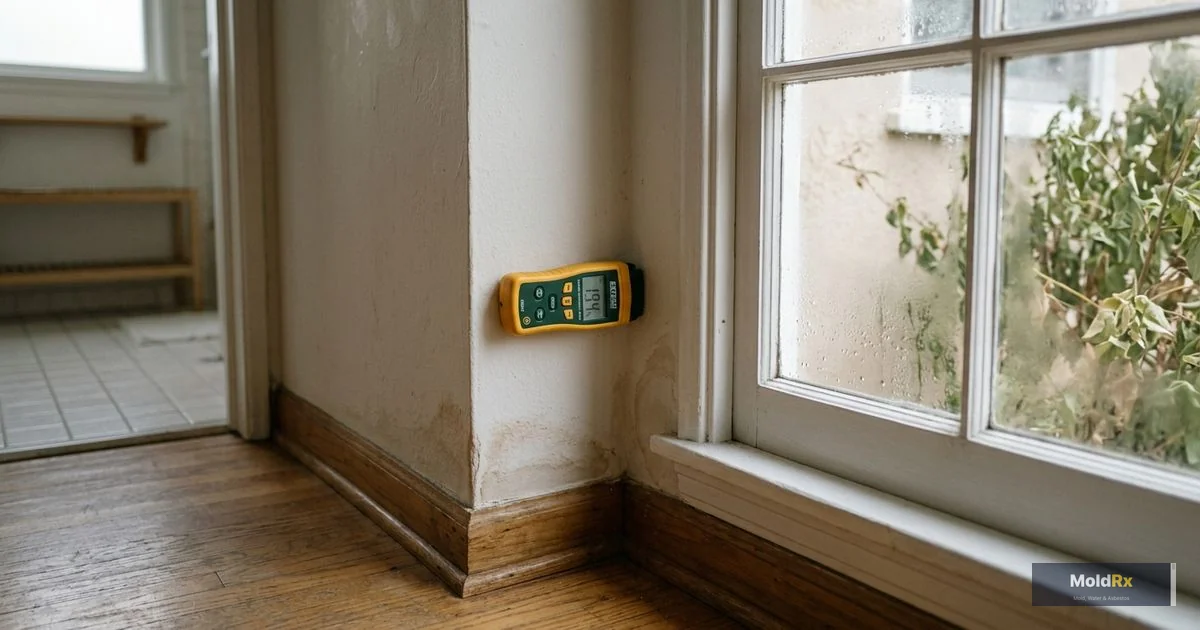
Before getting into specific items, understand the rule that governs every decision in this guide.
Non-porous materials — glass, metal, hard plastic, sealed wood, ceramic — don't allow mold to penetrate their surface. Mold sits on top, cleans off completely, and stays gone. These items are almost always salvageable.
Porous materials — fabric, upholstery foam, unfinished wood, paper, cardboard — allow mold to send root structures (hyphae) deep into the material. You can clean the surface, but the embedded growth remains. These items range from sometimes salvageable to unsalvageable depending on severity and duration of contamination.
Semi-porous materials — finished wood, leather, certain plastics — fall in the middle. The finish provides protection, but if that barrier is compromised, mold reaches the material underneath.
This is the same principle that governs building material decisions during professional mold remediation. The reason contaminated drywall gets removed instead of cleaned is the same reason a mold-saturated couch usually can't be saved.
Clothing and Fabric
The answer depends on how bad the contamination is and what the fabric can withstand.
Washable Clothing with Light Mold
If you catch it early — visible spots, musty smell, but the fabric is structurally sound — most machine-washable clothing can be saved.
How to clean it:
- Take the garment outside before handling it to avoid releasing spores indoors.
- Gently brush off loose surface mold outdoors.
- Soak in cold water for 30 minutes.
- Wash on the hottest setting the fabric tolerates, using detergent plus one cup of white vinegar.
- Dry completely — preferably in direct sunlight, which has natural antimicrobial properties.
- If odor persists after two full wash cycles, the mold has penetrated beyond what washing can address.
Important: Do not put moldy clothing in the dryer before washing. Heat sets mold stains permanently.
Dry-Clean-Only Clothing
Take contaminated garments to a professional cleaner and tell them the items have mold. Not all cleaners handle mold-contaminated items — some specialize in it. The solvents used in dry cleaning can kill mold, but results vary. Be upfront about what happened so they handle your items appropriately.
Heavily Contaminated Clothing
If clothing has been sitting in water or high moisture with visible mold for days or weeks, the fibers are likely compromised. Discard clothing that feels weakened or tears easily, has extensive mold coverage, retains musty odor after washing, or was submerged in floodwater. The exception: irreplaceable or high-value pieces may warrant professional textile restoration.
Upholstered Furniture
This is where most people's hopes meet reality. Upholstered furniture — sofas, armchairs, ottomans — is one of the hardest categories because the materials are deeply porous and the construction makes thorough cleaning nearly impossible.
When Cleaning Might Work
If mold exposure was brief (hours, not days), limited to the outer fabric surface, and the interior foam, batting, and frame are dry and unaffected, professional upholstery cleaning may save the piece. Conditions that favor success: mold only on the fabric surface, cushions dry inside when you unzip and check, no mold on the frame or internal structure, and no contact with standing water.
When It Has to Go
Discard upholstered furniture when mold has penetrated the foam cushions (musty smell when you squeeze them, visible mold when you open the cover), the piece sat in water or high humidity for more than 24-48 hours, mold is on the frame or springs, or the musty odor persists after professional cleaning.
The uncomfortable truth: Most upholstered furniture in a mold-affected environment for any significant period falls into the "discard" category. A sofa that looks fine outside can harbor extensive growth inside the cushions and frame that no surface cleaning will reach. A contents restoration specialist can assess the piece if you're unsure — but be prepared for the recommendation to replace.
Hard Furniture: Wood, Metal, and Glass
This is the good news section.
Finished wood (tables, dressers, bookshelves, desks, bed frames) can almost always be cleaned and kept. The finish acts as a barrier. Wipe down with a damp cloth and mild detergent, follow with a vinegar-water solution (one cup per gallon), and dry thoroughly. If the finish is intact, you're done. If mold has reached wood through a compromised finish (peeling, cracked, worn), light sanding and refinishing may be necessary — do this outdoors with a respirator.
Unfinished wood is more vulnerable. Surface-only discoloration can be sanded away and the piece refinished. If mold has penetrated deeply — the wood is soft, discolored through its thickness, or odor persists after sanding — it may need to go. Antique or high-value pieces can sometimes be restored by furniture conservation specialists.
Metal and glass are non-porous and essentially always salvageable. Wipe clean with detergent and water, dry thoroughly, and you're done.
Mattresses and Bedding
Mattresses
Replace them. Mattresses are thick, deeply porous, and impossible to clean internally. A mattress exposed to mold contamination likely harbors growth inside the foam and batting — where you sleep every night, breathing air inches from the surface. Professional cleaning addresses the exterior but not the internal structure. If mold was in your bedroom, professional mold testing can confirm whether the mattress was affected, but when in doubt, replace it.
Pillows, Comforters, Sheets
Pillows should be discarded — they're too porous and too inexpensive to risk. Down comforters and quilts may survive professional laundering if contamination was light. Sheets and blankets can be treated like washable clothing: machine wash on hot with detergent and vinegar, and replace if odor persists after two cycles.
Books, Paper, and Documents
Paper is highly porous and provides the cellulose mold feeds on. Books with light surface mold (dusty growth on the cover or page edges) can sometimes be salvaged: brush mold off outdoors, fan pages open in direct sunlight for several hours, then place in a sealed container with desiccant (silica gel or baking soda) for 48-72 hours. If pages are wavy, stained, or still musty after this process, the book is too far gone. Heavily affected books — swollen, warped, pages stuck together — are generally beyond saving unless rare enough to warrant professional conservation.
For important documents (deeds, tax records, legal papers), scan or photocopy immediately before mold causes further damage. Seek professional document restoration for genuinely irreplaceable originals, and request replacement copies from issuing authorities for documents like birth certificates and titles. Lay damp documents flat in a dry, ventilated area to dry — never stack them or seal them in containers.
Electronics
Outer cases (plastic, metal) clean easily. If a device was in a mold-affected room but not in direct contact with water or heavy growth, wiping the exterior is usually sufficient. If the device was in a flooded or heavily contaminated area, internal circuit boards may be affected — for expensive equipment, a qualified technician can assess and clean components. For older or inexpensive electronics, replacement is more practical. Small kitchen appliances with mold on food-contact surfaces should be disassembled and cleaned or replaced.
Leather Goods
Leather is semi-porous — it resists mold penetration better than fabric but isn't impervious.
Finished, smooth leather (handbags, dress shoes, belts, jackets) with surface mold often responds well to cleaning with a leather-specific cleaner followed by conditioning. Catch it early — leather moldy for days has much better odds than leather moldy for weeks. Check interior fabric linings carefully, as they can harbor mold even when the exterior leather cleans up.
Suede and nubuck absorb mold readily and are extremely difficult to decontaminate — embedded spores and odor typically persist after cleaning. Leather that has become stiff, cracked, or discolored from extended exposure is structurally damaged beyond repair.
Photos and Irreplaceable Items
This is the category that causes the most emotional pain.
Photographs: Digitize everything immediately — scan before attempting any cleaning. Printed photos with surface mold can sometimes be saved by carefully wiping with a soft, damp cloth (don't rub — moisture smears the emulsion). Photos stuck together should go to a professional restoration service. Slides and negatives respond better to cleaning than prints because the image is embedded in the film.
Artwork: Have original paintings, drawings, and prints assessed by a professional art conservator. Do not attempt DIY cleaning — inappropriate methods cause more damage than the mold itself.
Sentimental items (stuffed animals, handmade quilts, scrapbooks): Professional contents restoration can sometimes salvage items that seem beyond help. When an item truly can't be made safe, photograph it to preserve the memory.
What NOT to Do with Moldy Belongings
Mistakes during cleanup can spread contamination, damage items further, or create health risks.
- Don't dry brush mold indoors. Brushing releases a massive cloud of spores into your living space. Always take items outside first. If you can't, wipe with a damp cloth instead, which captures spores rather than launching them.
- Don't vacuum without HEPA filtration. A standard vacuum passes mold spores straight through its filter and blows them out the exhaust. If you're vacuuming moldy items, it must be a true HEPA vacuum.
- Don't use bleach on fabric. Bleach damages most fabrics and doesn't penetrate deep enough to kill embedded mold. It bleaches the visible stain white while leaving the colony alive inside. Use detergent and white vinegar for washable fabrics.
- Don't seal moldy items in plastic bags. Sealed plastic creates a humid environment that accelerates deterioration. Items often get worse in storage, not better. Use breathable materials if you need to contain items for transport, and process them as quickly as possible.
- Don't move contaminated items through clean areas. Carrying moldy belongings through your home spreads spores to every room you pass through. Move items directly outside or to a staging area. This is the same principle behind containment protocols during professional mold remediation.
When to Bring in Professional Contents Restoration
Professional contents restoration companies have equipment homeowners don't: industrial ozone chambers, thermal fogging, ultrasonic cleaning, HEPA-filtered drying rooms, and specialized chemical treatments. Consider them when you have high-value items worth the investment, large volumes of contaminated belongings, items requiring specialized techniques (document recovery, electronics decontamination, photo restoration), or when insurance is covering the loss and expects professional documentation.
Your mold remediation company can typically recommend contents restoration partners they work with regularly.
Insurance Coverage for Moldy Belongings
Coverage depends on your specific policy and the cause of the mold. Sudden and accidental water damage (burst pipe, appliance failure) that causes mold is usually a covered peril, and contents damage is typically included in the claim. Contents restoration costs are often covered when restoration is cheaper than replacement.
Long-term mold from maintenance issues — slow leaks, chronic humidity, gradual water intrusion — is usually excluded. Flood damage requires separate flood insurance. Many policies also have mold-specific exclusions or dollar caps.
Document everything regardless. Photograph all affected items before cleaning or discarding. Create a written inventory with descriptions and estimated values. Save receipts for replacements. This documentation is essential whether you're filing a claim now or may need to later. Learn about what comes after remediation in our guide on what to expect after mold remediation.
Protecting Belongings During Remediation
If your home is undergoing professional mold remediation, move belongings out of the work zone before containment goes up. Seal closets and storage areas near the work zone with plastic sheeting. Cover furniture in adjacent rooms with drop cloths. Run HEPA air purifiers in nearby rooms as an extra precaution. And don't move anything back until clearance testing confirms the remediation was successful. Learn about the full process in our guide on what happens during mold remediation.
Your remediation team should discuss contents protection as part of their scope of work. If they don't bring it up, ask.
Quick Reference: Save or Toss
| Item | Outcome |
|---|---|
| Washable clothing (light mold) | Save — wash hot with detergent + vinegar |
| Clothing (heavy mold / water damage) | Toss — fibers compromised |
| Dry-clean-only clothing | Try — professional cleaning may work |
| Upholstered furniture (surface only) | Try — professional cleaning, manage expectations |
| Upholstered furniture (mold inside) | Toss — internal contamination unreachable |
| Finished wood furniture | Save — wipe clean, refinish if needed |
| Unfinished wood furniture | Try — sand and refinish; toss if deeply penetrated |
| Metal / glass furniture | Save — wipe clean and dry |
| Mattresses and pillows | Toss — too porous to decontaminate |
| Sheets and blankets | Save — wash hot; replace if odor persists |
| Books (light mold) | Try — brush outdoors, sun-dry, desiccate |
| Books (heavy mold) | Toss — unless rare or irreplaceable |
| Important documents | Scan immediately — then professionally restore |
| Electronics | Save exterior; assess internal for high-value items |
| Finished leather | Try — leather cleaner + conditioner |
| Suede / nubuck | Toss — absorbs mold too deeply |
| Photos and artwork | Scan/digitize first — then professional restoration |
Frequently Asked Questions
Can moldy furniture be saved?
Hard furniture (wood, metal, glass) can almost always be cleaned and kept. Upholstered furniture is the opposite — if mold has reached the foam cushions or internal frame, the piece usually can't be decontaminated and should be replaced. Unzip the cushion covers and check: if you see or smell mold inside, it's time to let the piece go.
Is it safe to keep clothes that had mold on them?
If clothing responds to thorough washing — hot water, detergent, white vinegar, complete drying — and comes out with no staining and no musty smell, it's safe to wear. The key test is odor after two full wash cycles. If the smell persists, the mold has penetrated the fibers beyond what laundering can reach. Clothing submerged in floodwater should be discarded regardless.
Should I throw away everything in a room that had mold?
No. Non-porous items in a mold-affected room can be wiped clean. Porous items need individual assessment based on material and severity. A room having mold doesn't automatically contaminate everything in it. Professional mold testing can help establish what was actually affected. See our guide on when mold in your home becomes a real concern.
Can mold on clothes spread to other clothes in the closet?
Yes. Spores become airborne and settle on nearby surfaces, especially in the low-airflow environment inside a closed closet. If you find mold on one item, inspect and wash everything nearby and check closet walls for moisture.
How do I get the mold smell out of furniture?
For hard furniture, cleaning with detergent or vinegar followed by thorough drying usually works. For upholstered furniture, persistent odor means mold is still alive inside where cleaning can't reach — replace the piece.
Can I save a moldy mattress by cleaning it?
No. Mattresses are too thick and porous to clean internally. You spend hours each night breathing air inches from the surface — this is not the item to gamble on. Replace it.
What kills mold on leather?
A leather-specific cleaner or equal parts rubbing alcohol and water kills surface mold on finished leather. Follow with leather conditioner. For suede and nubuck, there's no reliable home method — the porous surface absorbs mold and cleaning products damage the nap. Leather that has become stiff or cracked from extended exposure is structurally damaged beyond repair.
Should I keep moldy books?
If the book can be replaced cheaply, replace it. For books with light surface mold, outdoor brushing and sun-drying can work. For rare or irreplaceable books, professional conservation is an option, though costs may exceed the book's monetary value. Books with warped, stuck, or extensively stained pages are generally beyond saving.
Does insurance cover mold-damaged personal belongings?
If mold resulted from a sudden, accidental covered event (burst pipe, appliance failure), your homeowner's insurance typically covers damaged contents. Mold from long-term maintenance issues is usually excluded. Check your policy for mold-specific exclusions or caps, and document everything with photographs and inventories before discarding anything.
When should I call a professional instead of cleaning moldy items myself?
Call a professional contents restoration company when you have high-value items at stake, when the volume is overwhelming, when items need specialized techniques (electronics, documents, artwork), or when insurance is covering the loss. For the structure itself, professional mold remediation is recommended when the area exceeds about 10 square feet or mold has penetrated building materials. Learn more about how fast mold grows after water damage.
Making the Hard Calls
These decisions are emotional, and you're making them during an already stressful time. The material-by-material framework above is designed to take some of the guesswork out of it — but when you're unsure, professional assessment is worth the investment.
The most important thing right now is addressing the mold problem at its source. Belongings can be replaced. The contamination in your home's structure needs to be resolved first, or you'll be dealing with damaged belongings again in a few months.
MoldRx coordinates professional mold removal and mold testing across Southern California, including connecting you with contents restoration specialists when your belongings need expert attention.
Call (888) 609-8907 to talk through your situation with someone who's seen it before — straight answers about what you're dealing with and what it takes to fix it. Or request a free estimate online and we'll follow up on your schedule.