You're in the middle of a real estate transaction and mold has entered the conversation. Maybe the home inspector flagged something. Maybe the buyer is requesting testing as part of due diligence. Maybe you're a seller wondering whether to test proactively before listing. Or maybe you're an agent trying to advise your client without overstepping.
Mold testing in a real estate transaction serves three purposes: discovery, documentation, and deal protection. Discovery tells you what's actually there. Documentation creates a record that satisfies all parties. Deal protection ensures the transaction moves forward on solid ground rather than collapsing over uncertainty.
This guide covers what buyers, sellers, and agents each need to know — plus California disclosure law, lender requirements, who pays, and how testing fits into escrow timelines.
The Buyer's Perspective: Testing as Due Diligence
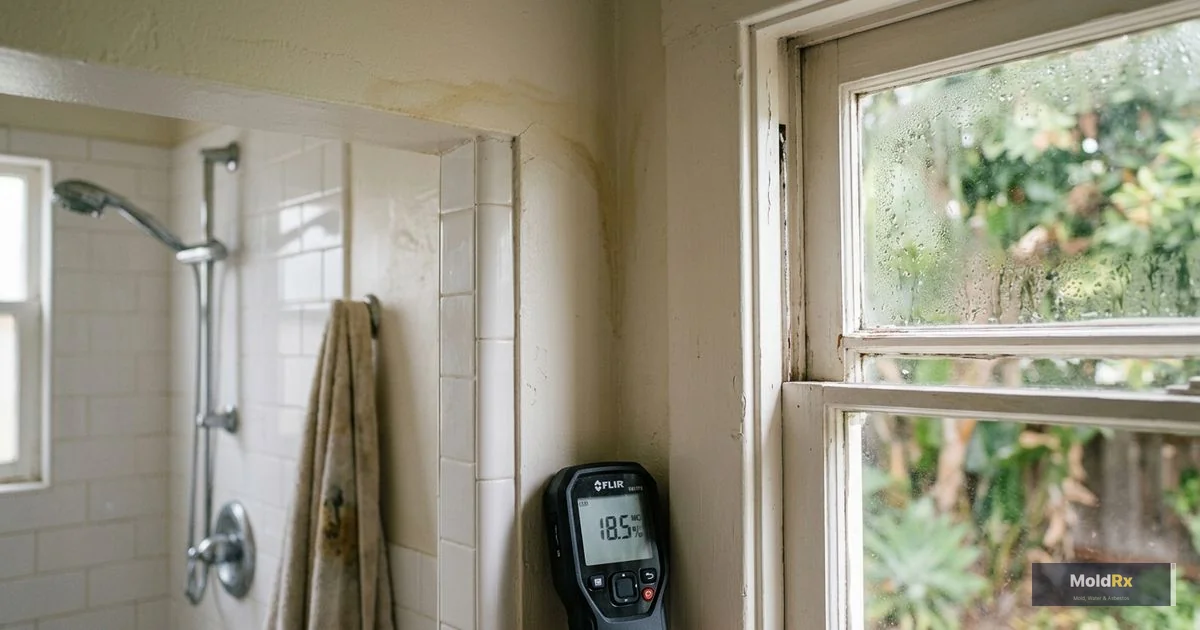
As a buyer, mold testing is one of the most cost-effective forms of due diligence available to you. A professional mold assessment costs a fraction of a percent of the purchase price, yet the information it provides can save you tens of thousands of dollars in unexpected remediation costs after closing.
When to Order Mold Testing
Not every home purchase requires dedicated mold testing, but several situations make it strongly advisable:
The home inspection flagged mold or moisture concerns. If your general inspector noted mold-like growth, water staining, musty odors, or elevated moisture readings, professional mold testing is the logical next step. General home inspectors identify conditions — mold professionals quantify them. Learn more about what to look for during a home inspection.
The property has water damage history or high-risk features. Past roof leaks, plumbing failures, flooding, or water damage of any kind creates conditions where mold growth is likely. The same applies to homes with crawl spaces, flat roofs, older plumbing, bathrooms without exhaust fans, or poor ventilation. Southern California homes with stucco exteriors or slab-on-grade construction have their own moisture vulnerabilities.
You're purchasing an older home. If you're buying in Orange County or the Inland Empire, many homes predate modern moisture management standards and are more likely to have concealed mold issues.
You notice musty odors during walkthroughs. A persistent musty or earthy smell is one of the most reliable indicators of hidden mold growth. If you smell it during a showing, don't dismiss it — investigate it.
What to Test For
Professional mold testing for a real estate transaction typically includes three components:
Air sampling. Indoor air samples are collected from multiple locations and compared against outdoor baseline samples. Elevated indoor spore counts indicate active mold growth somewhere in the property — even if nothing is visible. Understanding how to read mold test results helps you evaluate what the lab report means.
Surface sampling. When visible mold or suspected growth is identified, surface samples (tape lifts or swabs) go to a lab for species identification. Some species — like Stachybotrys chartarum or Chaetomium — are more commonly associated with significant water damage and structural concerns.
Moisture mapping. A thorough assessment includes moisture readings using pin-type and pinless meters, and sometimes thermal imaging. This reveals where the water is coming from and where it has traveled — critical for determining the full scope of the problem.
Using Test Results to Negotiate
Mold test results give you objective data, and objective data is negotiating leverage. Here's how to use it effectively:
Quantified problems support specific requests. Lab results showing indoor spore counts three times higher than outdoor levels, combined with surface confirmation of Stachybotrys on subfloor sheathing, support a specific remediation request. Vague concerns get vague responses. Documented findings get documented solutions.
Request remediation with clearance verification. The strongest negotiating position is requesting that the seller complete professional mold remediation before closing, with independent clearance testing confirming success. This protects you because you don't close until the problem is verified as resolved.
Consider a remediation credit carefully. If the seller offers a credit instead of completing remediation, make sure the amount is based on a professional estimate — not a guess. Factor in the possibility that hidden damage could expand the scope.
Understand what testing reveals about the property's history. Certain species and growth patterns tell a story. Extensive Stachybotrys on wall cavity materials indicates chronic moisture exposure — not a recent drip. This may inform your decision about whether the property's issues go deeper than mold alone.
The Seller's Perspective: Proactive Testing as a Strategic Advantage
As a seller, the worst time to learn about a mold problem is when the buyer's inspector finds it. At that point, you've lost control of the narrative, the timeline, and often the negotiation.
Why Proactive Testing Makes Sense
Pre-listing mold testing accomplishes several things: it eliminates surprises by identifying issues on your terms. It lets you control remediation — you choose the company, set the timeline, and manage costs without escrow pressure. It creates documentation that builds buyer confidence, since buyers appreciate sellers who address issues proactively. And it satisfies California disclosure obligations upfront with a complete, documented story — problem identified, professionally addressed, independently verified as resolved.
Remediation Before Listing
If pre-listing testing identifies a mold issue, complete the remediation before your home goes on the market. The process is straightforward:
- A qualified mold assessor identifies the mold and the moisture source.
- The moisture source is repaired (the leak is fixed, the drainage is corrected, the ventilation is improved).
- A licensed remediation company removes the mold following IICRC S520 standards.
- An independent testing company — not the remediation company — performs clearance testing.
- The clearance report confirms indoor conditions are within normal range.
Keep every document — the initial assessment, moisture source repair receipts, remediation scope of work, completion report, and clearance test results. This package becomes part of your disclosure documentation.
Clearance Documentation as a Selling Point
A clearance report from an independent testing company transforms a potential liability into evidence of responsible homeownership. When a buyer's agent asks about mold — and in Southern California, they often will — you present a complete documented history rather than a defensive response. The key is independence: clearance testing performed by the same company that did the remediation carries less credibility. Independent verification is what gives all parties confidence.
The Agent's Perspective: Protecting Your Client Without Overstepping
Real estate agents on both sides of a transaction need to understand mold testing well enough to advise their clients — but the line between advising and practicing outside your expertise matters.
For Buyer's Agents
Recommend testing when risk factors are present. If the property has past water damage, high-risk construction features, visible staining, or musty odors, recommending professional mold testing is sound advice. You're not diagnosing a problem — you're helping your client make an informed decision. Refer them to our guide on finding a qualified mold inspector.
Don't interpret test results yourself. Spore counts, species identification, and what constitutes "elevated" levels are technical interpretations that should come from the professional who conducted the assessment — not from the agent.
Insist on independent clearance testing. If the seller agrees to remediate, make sure the purchase agreement specifies that clearance testing will be performed by a company independent of the remediation company. This single requirement protects your buyer more than almost any other contractual term related to mold.
For Listing Agents
Advise your seller about disclosure obligations. If your seller knows about past or present mold conditions, they must disclose them. Framing disclosure as a protection rather than a liability is part of your role.
Recommend pre-listing testing for high-risk properties. If the property has characteristics that make a mold finding likely during a buyer's inspection, advising your seller to test proactively is strategic counsel. It's better to address the issue on the seller's timeline than the buyer's.
Don't minimize mold findings to save the deal. Dismissing mold as "cosmetic" or "no big deal" without professional assessment creates liability — for your seller and potentially for you. Engage qualified professionals to assess and address the finding.
California Disclosure Law and Mold
California imposes some of the most extensive disclosure obligations on residential property sellers in the country, and mold falls directly within them.
Transfer Disclosure Statement (TDS) Obligations
Under California Civil Code Sections 1102-1102.17, sellers of one-to-four-unit residential properties must complete a Transfer Disclosure Statement covering the property's known material conditions. For mold, sellers must disclose:
- Known current mold conditions — whether visible or concealed, whether professionally confirmed or suspected based on observable indicators.
- Past mold conditions and remediation history — what was found, when, what remediation was performed, and the results. Having clearance documentation strengthens the disclosure.
- Water damage history — past leaks, flooding, plumbing failures, or moisture intrusion events that may have created conditions for mold growth. The relationship between water damage and mold is well established, and undisclosed water damage is a common basis for post-sale disputes.
- Professional testing results — if mold testing was performed at any point during the seller's ownership, those results are material facts that must be disclosed.
The Legal Standard and Cost of Non-Disclosure
California courts apply a "knew or should have known" standard. A seller who lived in a home for years and ignored persistent water stains, musty odors, or recurring moisture may be held to have known about conditions a reasonable homeowner would have investigated.
Buyers who discover undisclosed mold after closing can pursue remediation costs, diminished property value, health-related damages, and in some cases rescission of the sale. The legal and financial exposure from non-disclosure almost always exceeds the cost of addressing the issue properly in the first place. The practical takeaway: investigate and disclose proactively.
Clearance Letters and What Lenders Require
When mold is identified during a real estate transaction, the lender can effectively halt the transaction until their conditions are met.
What a Clearance Letter Includes
A mold clearance letter — sometimes called a clearance report or post-remediation verification — is issued by an independent testing company after remediation. It typically includes confirmation that no visible mold remains, post-remediation air sampling results showing indoor spore levels comparable to or lower than outdoor baseline, moisture readings within acceptable range, a statement that clearance criteria based on IICRC S520 were met, and documentation of the original problem and remediation performed.
Lender Requirements by Loan Type
Conventional loans. Requirements vary by lender. Some will accept a clearance letter and move forward. Others may require the appraiser to re-inspect. If the appraiser noted mold as an adverse condition, clearance documentation will almost certainly be required before the loan funds.
FHA and VA loans. Both have minimum property requirements covering health and safety conditions. Mold that affects habitability or structural integrity must be remediated with clearance verification before closing. FHA appraisers are specifically trained to flag conditions that HUD guidelines consider unacceptable.
Investment property loans. Many portfolio and DSCR lenders still require clearance documentation if mold is identified in the appraisal or inspection.
The safest approach regardless of loan type: address the mold, obtain independent clearance documentation, and have it ready before the lender asks. Waiting for the lender to flag the issue adds delays that can jeopardize closing.
Who Pays for Mold Testing?
This is one of the most common questions in real estate transactions involving mold, and the answer is straightforward: it's negotiable, and it typically depends on who requests the testing and at what stage.
Common Payment Scenarios
Buyer-initiated testing during the inspection period. The buyer typically pays. This is part of due diligence, the same way you'd pay for a home inspection or sewer scope.
Seller-initiated pre-listing testing. The seller pays. This is the seller's strategic decision to test proactively.
Post-remediation clearance testing. This is where negotiation comes in. If the seller is paying for remediation, clearance testing costs are typically included. The buyer shouldn't have to pay to verify that a problem on the seller's property was actually fixed.
Lender-required testing. The responsible party depends on the purchase agreement, but practically, whoever has the stronger motivation to close often absorbs the cost.
The Practical Reality
Mold testing costs are modest relative to the transaction. In the context of a home purchase, fighting over who pays for testing is rarely worth the friction it creates. The more important question is whether the testing gets done, the results are interpreted correctly, and any necessary remediation is completed with proper clearance documentation.
Timeline Considerations for Escrow
Mold testing and remediation add steps to the transaction timeline, and understanding how they fit into escrow prevents last-minute surprises.
Standard Timeline
- Initial mold testing: 1 day for sample collection, 2-3 business days for lab results. About 1 week total.
- Remediation (if needed): 1-5 days depending on scope.
- Clearance testing: Sample collection after a 24-48 hour waiting period post-remediation, plus 2-3 business days for lab results.
- Total from initial testing through clearance: approximately 2-3 weeks.
Fitting Into Escrow
Standard escrow periods in Southern California range from 30 to 45 days. A 2-3 week mold testing and remediation cycle fits within this window — if the process starts promptly after the initial inspection.
Delays happen when parties debate responsibility, when remediation companies have scheduling backlogs, or when clearance testing doesn't pass on the first attempt. Build buffer time into your expectations and communicate early if the timeline is tight. A short extension to accommodate proper remediation is far better than closing without resolution or killing the deal over timing.
If you're a seller planning pre-listing testing and remediation, start at least 4-6 weeks before your listing date to address any findings without pressure.
Frequently Asked Questions
Should I get mold testing before buying a house even if the home inspection was clean?
If the property has risk factors — past water damage, older construction, a crawl space, areas with poor ventilation, or a musty odor — a professional mold assessment can detect issues a general inspection misses. Air sampling identifies elevated spore counts from hidden mold that visual inspections can't see.
What is a mold clearance letter in real estate?
A clearance letter is a document issued by an independent testing company confirming that a property meets acceptable mold and moisture conditions after remediation. It includes post-remediation air sampling results, moisture readings, and visual confirmation that no mold growth remains. Read more about understanding clearance testing.
Who pays for mold testing — the buyer or the seller?
It depends on who requests the testing and the terms of the purchase agreement. Buyers typically pay for testing they initiate during due diligence. Sellers pay for pre-listing testing they order proactively. Post-remediation clearance testing costs are negotiable but most often fall to the seller when the mold condition existed on their property.
Can mold kill a real estate deal?
It can, but it usually shouldn't. Most mold findings in residential transactions are resolvable with professional remediation and clearance documentation. Deals typically fall apart when sellers refuse to address the issue, when the scope of the problem reveals larger structural or moisture issues, or when the timeline for remediation doesn't fit the escrow window.
Does California require sellers to disclose mold?
Yes. California's Transfer Disclosure Statement (TDS) requires sellers to disclose known material conditions affecting the property, including current mold, past mold and remediation history, water damage history, and professional testing results. The legal standard is what the seller "knew or should have known."
Will a mold finding affect my mortgage approval?
It can. If the appraiser notes mold as an adverse condition, most lenders will require remediation and clearance documentation before funding the loan. FHA and VA loans are particularly sensitive to health and safety conditions. Having clearance documentation ready prevents lending delays.
How long does the mold testing and remediation process take during escrow?
Expect approximately 2-3 weeks from initial testing through post-remediation clearance. This includes initial testing and lab results (about 1 week), remediation (1-5 days), and clearance testing with lab results (about 1 week). This fits within standard 30-45 day escrow periods if the process starts promptly.
Should sellers test for mold before listing their home?
If your home has any history of water damage, older plumbing, a flat roof, a crawl space, or areas with poor ventilation, pre-listing testing is a strategic advantage. It lets you address issues on your timeline, control remediation costs, and present clearance documentation to buyers — transforming a potential deal obstacle into evidence of responsible maintenance.
Can a real estate agent recommend mold testing?
Yes. Agents can and should recommend professional mold testing when risk factors are present. However, agents should not interpret test results, diagnose mold problems, or minimize findings. The appropriate role is recommending qualified professionals and ensuring the client has the information needed to make informed decisions.
What happens if clearance testing fails after remediation?
The remediation company must perform additional work to address the remaining contamination, and the area is retested. This cycle repeats until clearance criteria are met. A reputable remediation company will stand behind their work and complete whatever additional steps are needed to achieve clearance.
Protect the Transaction — and Every Party in It
Mold testing in a real estate transaction isn't an obstacle — it's a tool. For buyers, it prevents expensive surprises. For sellers, it builds confidence and closes deals. For agents, it protects clients and reputations. The transactions that go smoothly are the ones where mold is addressed with qualified professionals, proper documentation, and clear communication. The ones that fall apart involve someone trying to minimize, ignore, or shortcut the process.
MoldRx provides professional mold testing and mold remediation for real estate transactions throughout Orange County, Riverside County, and San Bernardino County — from initial assessments through post-remediation clearance documentation that satisfies every party at the closing table.
If mold is part of your transaction and you need clear guidance about what to do next, request an estimate or call (888) 609-8907 to talk through your situation.
Latest Mold Articles
View all articlesMold Testing for Real Estate: What Buyers, Sellers, and Agents Need to Know
Mold testing in a real estate transaction serves three purposes: discovery, documentation, and deal protection. Whether you're buying, selling, or representing a client, understanding when to test, what the results mean, and how clearance documentation moves a transaction forward keeps deals on track and protects everyone involved. Here's what each party needs to know about mold testing before, during, and after escrow.
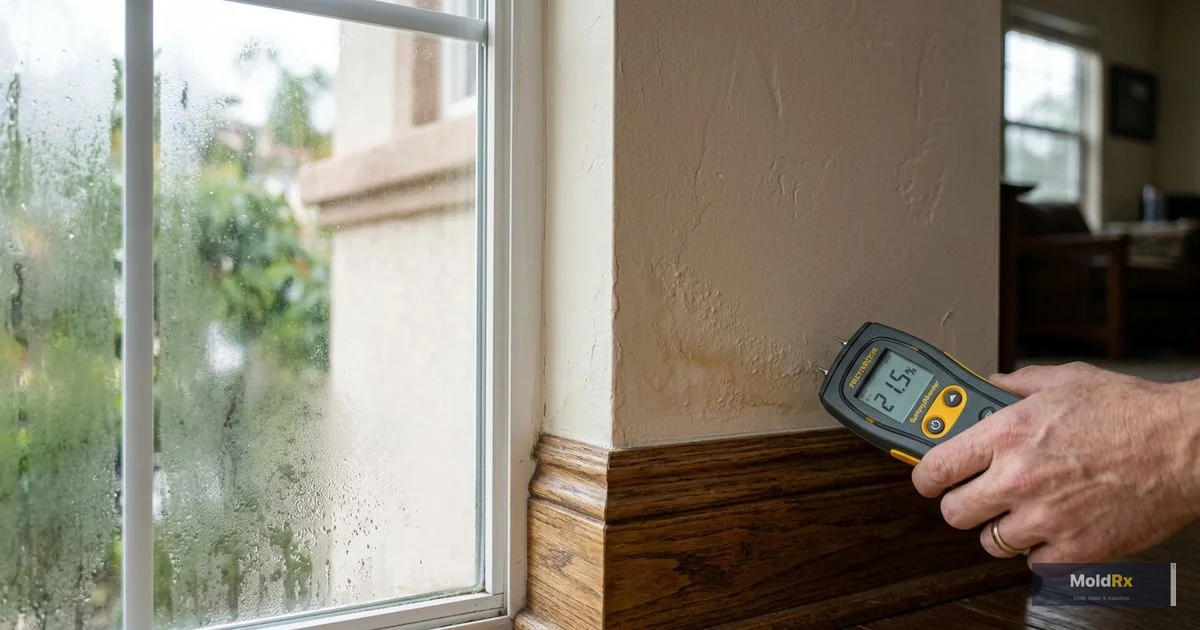
Mold Testing for Landlords: California Requirements and Best Practices
California doesn't mandate routine mold testing for landlords — but testing after tenant complaints, water events, or between tenancies protects you legally and financially. Here's when testing is required versus recommended, how to respond to tenant complaints with professional testing, what to do with results, and how proper documentation shields you from liability.
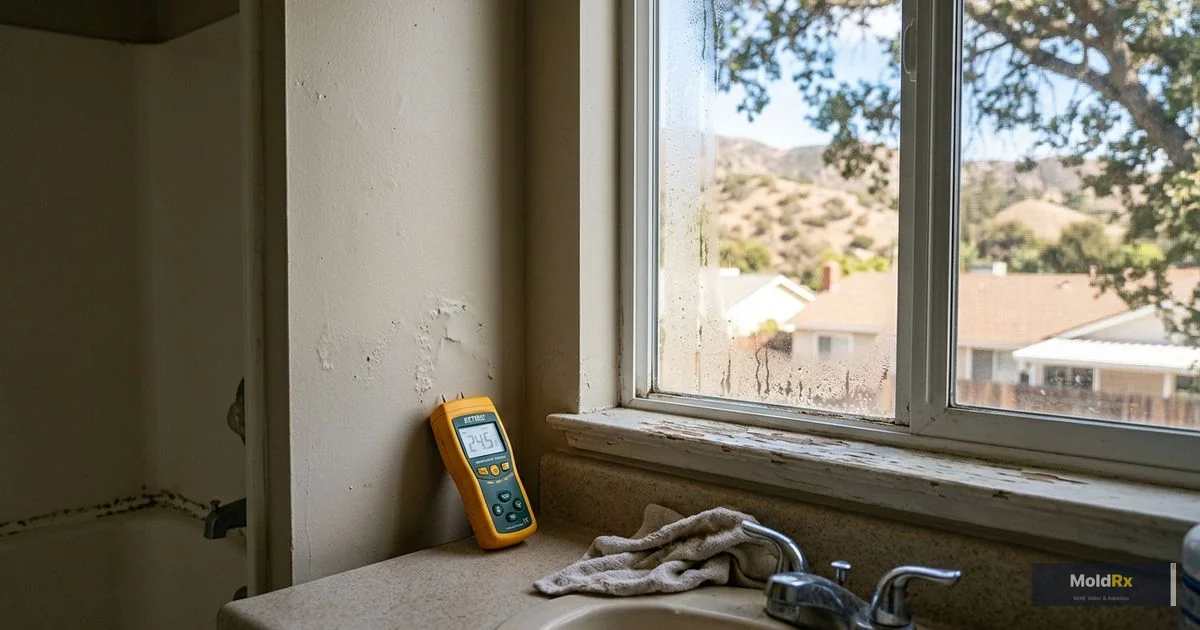
Mold Testing for Commercial Buildings: Requirements and Process
Commercial mold testing follows the same science as residential but adds complexity — larger HVAC systems, multiple zones, tenant notification, regulatory compliance, and liability documentation. Here's what building owners, facility managers, and commercial tenants need to know about when testing is required, how the process works in multi-zone commercial environments, Cal/OSHA workplace requirements, and how to maintain business continuity throughout the process.