What Are Some Indicators I May Have Asbestos in My Property?
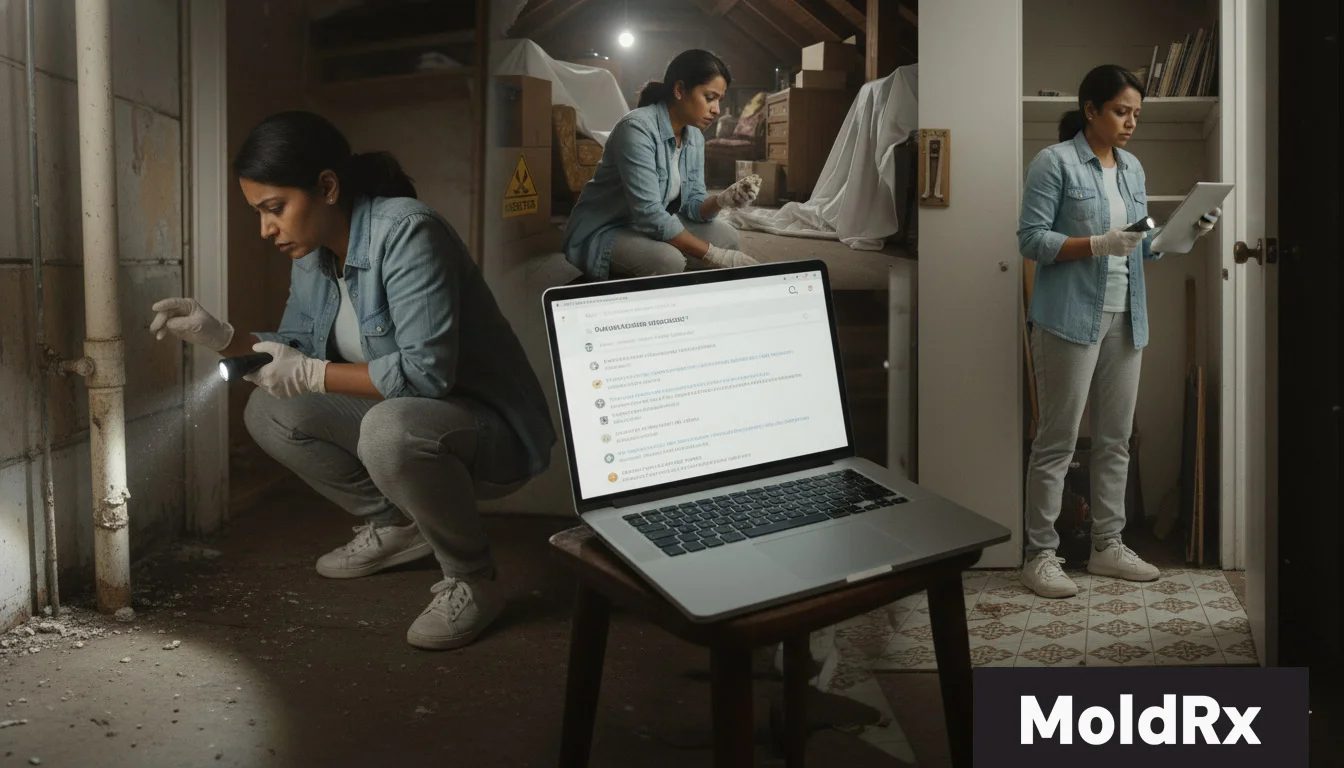
You can't see asbestos with the naked eye. The fibers are microscopic—invisible even when they're floating in the air you're breathing. So how do you know if your home or building might contain this hazardous material? The answer lies not in what you can see, but in what you know about your property and where you look. For background on What is Asbestos, see our comprehensive guide.
The Most Reliable Indicator: When Was Your Property Built?
Construction date is the single most important factor in determining whether your property likely contains asbestos. Here’s the general breakdown:
Built before 1980: High likelihood of asbestos. California regulations actually presume that thermal insulation and surfacing materials in pre-1980 buildings contain asbestos until testing proves otherwise. This isn’t overcaution—asbestos was genuinely ubiquitous in construction materials during this era.
Built 1980-1990: Moderate likelihood. While asbestos use declined sharply after the late 1970s due to health concerns, existing material stockpiles continued to be used, and some products still contained asbestos into the late 1980s.
Built after 1990: Lower likelihood, but not zero. Some imported building materials and specialty products have contained asbestos even in recent decades. The U.S. didn’t fully ban chrysotile asbestos until 2024, with a 12-year phase-out period for some uses.
If your property was built before 1980, operating under the assumption that asbestos is present somewhere is the safest approach—especially before any renovation work.
Materials and Locations Where Asbestos Commonly Hides
Asbestos wasn’t used randomly. It was added to specific materials for specific reasons: heat resistance, fireproofing, insulation, and durability. Knowing where to look can help you identify areas of concern.
Insulation materials are among the most common asbestos sources. This includes pipe insulation and wrapping (often a white or gray corrugated material around older pipes), boiler and furnace insulation, HVAC duct insulation and tape, and vermiculite attic insulation—particularly if it came from the Libby, Montana mine, which was contaminated with asbestos.
Flooring materials from the mid-century era frequently contained asbestos. Vinyl floor tiles (especially 9″x9″ tiles, though 12″x12″ tiles can also contain it), the black adhesive beneath vinyl tiles, and sheet vinyl flooring backing are all suspect in older homes.
Ceiling and wall materials are another major category. Popcorn ceilings and textured coatings applied before 1980 very commonly contain asbestos. Acoustic ceiling tiles, some drywall joint compounds, and textured wall finishes may also be asbestos-containing.
Exterior and roofing materials including cement siding (transite), roofing shingles and felt, and exterior stucco may contain asbestos, particularly on homes built mid-century.
Other locations to be aware of include areas around fireplaces and wood stoves (fireproofing materials), electrical panel backing, window glazing and caulking in older windows, and gaskets in older appliances.
Visual Clues That Warrant Attention
While you cannot identify asbestos by sight—materials that look identical may or may not contain it—certain visual characteristics can indicate you’re looking at a material that might contain asbestos and deserves professional testing.
Pipe insulation that appears as a white, gray, or light-colored corrugated or cloth-like wrapping, especially if it’s deteriorating or has a somewhat fibrous texture when damaged.
Ceiling texture that has a bumpy, cottage cheese, or popcorn appearance—particularly common in homes built or renovated between the 1950s and early 1980s.
Floor tiles that are 9″x9″ in dimension (a common size during the peak asbestos era), especially if they’re showing wear, cracking, or the black adhesive beneath is visible.
Cement-based siding that has a distinctive dense, somewhat fibrous appearance—often called transite siding.
Deteriorating or damaged materials of any kind in an older building deserve extra caution. Fraying insulation, crumbling ceiling texture, cracked tiles, or water-damaged materials can release fibers if asbestos is present.
Documentation and History
Sometimes the best indicators come from paperwork rather than physical inspection.
Previous inspection reports from home purchases, insurance claims, or renovation permits may note asbestos or asbestos-containing materials.
Building permits and renovation records can reveal what work was done and when, helping you identify which materials might be original versus newer installations.
Disclosure documents from when you purchased the property may include information about known asbestos.
HOA or building management records for condos and multi-family properties may document past asbestos surveys or abatement work.
When Indicators Become Urgent
Certain situations elevate the importance of determining whether asbestos is present. Learn about Is Asbestos Dangerous and when professional intervention is necessary:
Before any renovation or remodeling project. California regulations require asbestos surveys before renovation or demolition work on older structures. Disturbing asbestos-containing materials without proper precautions can contaminate your entire property and create serious health hazards.
When materials are damaged or deteriorating. Intact asbestos materials generally don’t release fibers. But if you notice insulation that’s fraying, ceiling texture that’s crumbling, tiles that are cracked or broken, or materials showing water damage—the risk of fiber release increases significantly.
After water damage. Water can damage asbestos-containing materials and potentially cause fiber release. If your older property has experienced flooding, leaks, or significant moisture intrusion, testing affected areas before cleanup is important.
During real estate transactions. Whether buying or selling, knowing what you’re dealing with protects everyone involved and prevents costly surprises.
Why You Can’t Confirm Asbestos Without Testing
Here's the honest reality: no amount of visual inspection can confirm whether a material contains asbestos. Two identical-looking floor tiles from the same era—one might contain 5% asbestos, the other might contain none. The only way to know for certain is laboratory analysis. Asbestos testing provides definitive answers.
This is why professionals use accredited laboratories following EPA protocols. A certified inspector collects samples safely (minimizing fiber release), and the lab analyzes them under specialized microscopes that can identify asbestos fibers.
Attempting to collect samples yourself isn’t recommended. Improper sampling can release fibers into your living space and may actually be more hazardous than leaving the material undisturbed.
What to Do If You Suspect Asbestos
If the indicators suggest your property may contain asbestos, here’s the straightforward path forward:
Don’t panic. Asbestos that’s intact and undisturbed generally doesn’t pose an immediate health risk. You have time to handle this properly.
Don’t disturb suspected materials. Avoid touching, scraping, sanding, or drilling into anything you suspect might contain asbestos.
Get professional asbestos testing if you're planning work that could disturb the material, or if the material appears damaged or deteriorating.
Leave intact materials alone if you have no plans to disturb them and they’re in good condition. Monitoring for deterioration is often the most practical approach.
MoldRx coordinates professional asbestos testing and asbestos removal services throughout Orange County, Riverside County, and San Bernardino County. Our vetted specialists follow Cal/OSHA and EPA protocols, and we'll give you honest guidance about whether testing is actually necessary for your situation—not just what generates the biggest invoice.
Have questions about potential asbestos in your property? Contact MoldRx for straightforward answers and professional testing when you need it.