A Plain-Language Guide for Property Owners
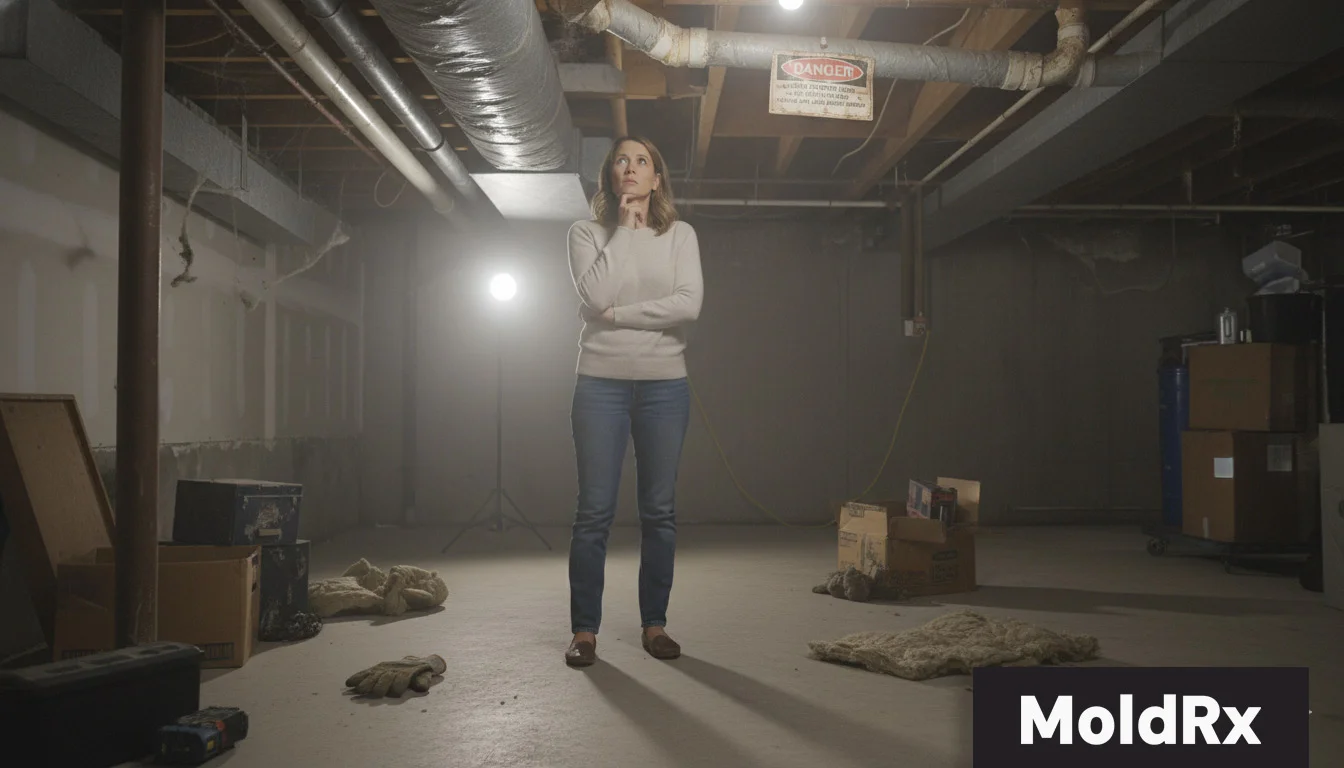
If you own an older home or commercial building, you’ve probably heard the word asbestos—usually followed by warnings about health risks and expensive removal. But what exactly is this material, why was it used in so many buildings, and why does it matter to you as a property owner?
Here’s a straightforward explanation of what asbestos is, where it comes from, and what you actually need to know.
Asbestos Is a Natural Mineral
Asbestos isn’t a synthetic chemical or man-made compound. It’s a naturally occurring mineral found in rock formations around the world. The term “asbestos” actually refers to a group of six different minerals that share a common characteristic: they form into long, thin, flexible fibers.
These fibers are remarkable from an engineering standpoint. They’re incredibly strong, resistant to heat and fire, don’t conduct electricity, and stand up well to chemical corrosion. They can be woven into fabric, mixed into cement, sprayed as insulation, or added to countless other materials to make them stronger and more fire-resistant.
For most of the 20th century, asbestos was considered a wonder material. It was cheap, abundant, and solved real problems in construction, manufacturing, and fireproofing. At its peak, asbestos was used in over 3,000 different products.
Why Asbestos Became a Problem
The same properties that made asbestos useful also make it dangerous. Those microscopic fibers—some as small as 0.1 micrometers—can become airborne when asbestos-containing materials are disturbed. Once inhaled, the fibers are small enough to reach the deepest parts of your lungs, where they become permanently lodged.
Unlike most substances, your body cannot break down or expel asbestos fibers. They remain in your lung tissue indefinitely, where over time they can cause scarring, inflammation, and cellular changes that lead to serious diseases.
The health effects weren’t immediately obvious because asbestos-related diseases have extremely long latency periods—typically 10 to 50 years between exposure and the appearance of symptoms. Workers exposed in the 1950s and 1960s didn’t develop symptoms until decades later, which delayed recognition of the danger.
The Health Risks Are Serious
Asbestos exposure can cause several serious conditions. Learn more about asbestos dangers and how to protect yourself. The three primary diseases linked to asbestos are mesothelioma, lung cancer, and asbestosis.
Mesothelioma is a cancer that forms in the thin tissue lining the lungs, abdomen, or heart. It’s almost exclusively caused by asbestos exposure—over 80% of mesothelioma cases are attributed to asbestos. According to the World Health Organization, there is no known safe level of exposure when it comes to mesothelioma risk.
Lung cancer risk increases significantly with asbestos exposure, and the combination of asbestos exposure and smoking creates a dramatically elevated risk—some studies suggest 50 to 90 times higher than for people with neither exposure.
Asbestosis is a chronic lung disease caused by scarring from inhaled asbestos fibers. It causes progressive shortness of breath, persistent coughing, and permanent lung damage. Unlike mesothelioma, asbestosis risk is dose-related—the more exposure, the higher the risk.
The World Health Organization estimates that occupational asbestos exposure causes over 200,000 deaths globally each year.
Where Asbestos Is Found in Buildings
If your property was built before 1980, there’s a reasonable chance it contains asbestos somewhere. The material was used extensively in residential and commercial construction from the 1930s through the late 1970s.
Common locations include insulation materials such as pipe wrapping, boiler insulation, HVAC duct tape and insulation, and vermiculite attic insulation. Flooring materials like vinyl tiles (especially 9″x9″ tiles), the black adhesive beneath vinyl flooring, and sheet vinyl backing frequently contained asbestos. Ceiling and wall materials including popcorn ceilings, textured coatings, acoustic tiles, and some joint compounds are also common sources. Exterior materials such as cement siding (transite), roofing shingles, and roofing felt may contain asbestos as well.
The challenge is that you cannot identify asbestos by looking at a material. Two identical-looking floor tiles might have completely different compositions. For indicators I may have asbestos, professional testing is essential. Laboratory testing is the only way to confirm whether a specific material contains asbestos. Asbestos testing provides definitive answers.
When Asbestos Is Dangerous—And When It’s Not
Here’s something important that often gets lost in discussions about asbestos: intact, undisturbed asbestos materials generally don’t pose an immediate health risk. The danger comes when materials are damaged, deteriorating, or disturbed in ways that release fibers into the air.
Asbestos becomes hazardous when it’s friable—meaning it can be crumbled by hand pressure, releasing fibers. Activities that commonly release asbestos fibers include drilling, sanding, sawing, scraping, demolition, and renovation work. Even pulling up old floor tiles or scraping popcorn ceilings can release significant amounts of fibers if those materials contain asbestos.
This is why the standard guidance from the EPA and health authorities is consistent: if asbestos-containing material is in good condition and won’t be disturbed, the safest approach is often to leave it in place and monitor it for deterioration.
Asbestos Regulations in California
California has specific regulations governing asbestos in buildings. Cal/OSHA regulations presume that thermal insulation and surfacing materials in buildings constructed before 1980 contain asbestos until testing proves otherwise. The South Coast Air Quality Management District (SCAQMD) Rule 1403 requires asbestos surveys before renovation or demolition work.
For property owners, this means that testing is required before any renovation or demolition work on older buildings that might disturb building materials. Professional asbestos testing protects you from creating a much bigger problem. Attempting to renovate without testing—and potentially disturbing asbestos without proper precautions—can result in property contamination, health hazards, and significant regulatory penalties.
What This Means for Property Owners
If you own property built before 1980, here’s the practical takeaway:
Don’t assume the worst. The presence of asbestos doesn’t automatically mean you have a crisis. Materials in good condition that won’t be disturbed may not require any action beyond periodic monitoring.
Don’t disturb suspect materials. If you’re uncertain whether something contains asbestos, treat it as if it does. Avoid drilling, cutting, sanding, or scraping until you know what you’re dealing with.
Test before renovating. Any work that might disturb building materials in a pre-1980 structure should be preceded by professional asbestos testing. This isn’t optional—it’s required by California regulations and protects you from creating a much bigger problem.
Use licensed professionals for removal. If testing confirms asbestos and removal is necessary, California requires asbestos removal by licensed C-22 asbestos abatement contractors following specific protocols for containment, removal, and disposal.
Questions About Asbestos in Your Property?
Questions about asbestos in your property? MoldRx coordinates professional asbestos testing and removal services throughout Orange County, Riverside County, and San Bernardino County. Our vetted specialists follow Cal/OSHA and EPA protocols, and we'll give you honest guidance about whether testing is necessary for your situation.
If you’re planning renovation work, dealing with damaged materials, or simply want to know what you’re dealing with, contact MoldRx for straightforward answers and professional testing when you need it.