You just moved into a brand-new home. Everything is clean, freshly painted, under warranty. The last thing you expect is mold.
But new construction homes get mold too — and it happens more often than most buyers realize. Construction moisture trapped behind drywall, compressed build timelines that don't allow framing to dry, concrete slab vapor, HVAC ductwork contaminated during the build, and tight modern building envelopes that seal moisture inside instead of letting it escape all create conditions for mold growth. In Southern California's fast-track housing developments — particularly the boom communities across the Inland Empire like Eastvale, Menifee, and Beaumont — these factors converge in ways that put brand-new homes at real risk.
This article explains why new construction is vulnerable to mold, where it's most likely to appear, what your builder's obligations are under California law, and what to do if you find mold in a home that's supposed to be perfect.
Why New Construction Homes Get Mold
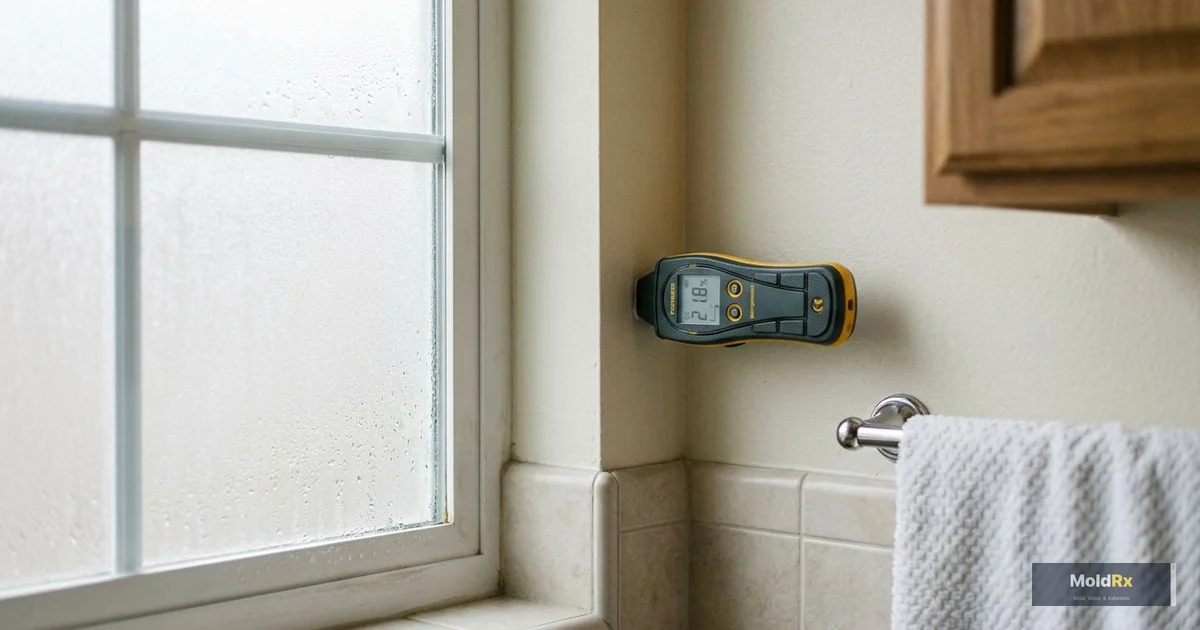
The assumption that new means clean and dry is understandable. But the construction process itself introduces enormous amounts of moisture into a home — and the modern building practices that make new homes energy-efficient can also trap that moisture inside.
Wet Framing Enclosed Too Soon
This is the single most common construction-phase cause of mold in new homes.
Every home spends weeks or months as an open structure before the roof and exterior walls are completed. Wood framing, sheathing, and subfloor materials are fully exposed to weather during that time. In Southern California, homes framed between November and March — the rainy season — can absorb significant water during atmospheric river events and multi-day storms.
The industry standard for acceptable moisture content in framing lumber before enclosure is 19% or below. But production builders working aggressive timelines often enclose framing that hasn't reached that threshold. The financial incentive favors moving forward — drying time costs money in carrying costs, crew scheduling, and delayed closings. So drywall gets installed on framing that's still wet, and the wall gets sealed up.
That trapped moisture migrates into the drywall paper facing, insulation, and any organic material in the wall assembly. Mold colonization can begin within 24 to 48 hours if moisture content stays elevated — and inside a sealed wall cavity, it will. In the Inland Empire's master-planned communities — where builders may have hundreds of homes under construction simultaneously — this isn't a rare corner case. It's a systematic risk created by the production model itself.
Concrete Slab Moisture
A standard 4-inch residential slab holds roughly 600 to 1,200 pounds of water that must evaporate over time. Fresh concrete continues releasing moisture vapor for months after pouring. When flooring is installed over a slab that hasn't fully cured, that vapor gets trapped beneath the floor covering — creating ideal conditions for mold on adhesives, underlayment, and the underside of the flooring itself.
The problem is compounded in Southern California by expansive clay soils common throughout Riverside County and San Bernardino County, which retain moisture and drive vapor upward through slabs long after construction. If the vapor barrier beneath the slab was damaged during construction — a common occurrence — the problem is worse. Learn more in our guide on mold under flooring.
HVAC Ductwork Contaminated During Construction
HVAC ductwork is installed well before the home is finished. Ducts sit open or loosely covered during months of construction activity — drywall dust, sawdust, paint overspray, insulation fibers, and moisture all enter the system. If it rains before the roof is complete and the ductwork gets wet, organic dust inside the ducts becomes a growth medium for mold.
When the system starts running, it circulates whatever is inside those ducts throughout the entire home. New homeowners who notice a musty smell, unexplained allergy symptoms, or dust on registers shortly after moving in may be experiencing contaminated ductwork that was never cleaned before occupancy. For more, see our guide on mold in HVAC and air ducts.
Tight Building Envelopes Trap Moisture
Modern building codes — including California's Title 24 standards — have made new homes significantly more airtight than older construction. That's excellent for energy performance but problematic for moisture management.
Older homes breathed. Drafts and air leaks gave moisture in wall cavities, attics, and crawl spaces pathways to escape. New homes are sealed tight, insulated aggressively, and designed to minimize air exchange. The result is a building envelope that keeps conditioned air in — and keeps construction moisture trapped. Without active ventilation strategies, the conditions for mold growth persist long after the builder hands over the keys.
This is why humidity control is particularly important in new construction.
Where Mold Hides in New Construction
The visible surfaces are freshly painted and spotless. The problem is behind, underneath, and inside the finishes.
Behind Drywall on Exterior Walls
The most common location. Mold grows on the back side of drywall — the paper facing you can't see — and on wood framing and sheathing behind it. By the time any sign appears on the painted surface — staining, bubbling paint, a faint musty smell — the colony is well established. Exterior walls carry the highest risk because they experience temperature differentials that create condensation and because they're first to get wet during framing.
Under Flooring
Slab moisture migrating upward is the primary cause, but flooring-related mold can also result from water damage during the build — a broken supply line, a rainstorm before the roof is on, or a plumbing test that wasn't properly dried. Signs include a musty smell at floor level, flooring that warps or cups prematurely, discoloration at seams, or soft spots.
In Attic Insulation and Sheathing
Attic mold in new construction typically results from roof sheathing that was wet when roofing was installed, inadequate ventilation, or improperly vented exhaust fans. If decking absorbed rain during framing and roofing went on before it dried, the sheathing is sealed between roofing above and insulation below — a trapped moisture scenario identical to the wall cavity problem. Blocked soffit vents, missing ridge vent baffles, and bathroom exhaust fans vented into the attic rather than through the roof are common installation defects that compound the issue.
In HVAC Systems
Contaminated ductwork from the construction phase is the primary concern, but mold can also develop at the air handler, on the evaporator coil, and in condensate drain lines. New HVAC systems that were installed, left idle during later construction phases, and then sealed up can harbor moisture and organic debris that support mold growth.
Builder Warranty and Responsibility
When you find mold in a new home, the first question is usually: whose problem is this? The answer depends on the cause, timing, and your builder's warranty terms.
What the Builder's Warranty Typically Covers
Most production builders in California offer a tiered warranty structure:
- 1-year warranty covering workmanship and materials defects — things like plumbing leaks, improper installation, and finishes
- 2-year warranty covering systems — plumbing, electrical, HVAC, and mechanical
- 10-year warranty covering structural defects — the load-bearing elements of the home
Mold itself is rarely listed as a covered warranty item. Builders generally take the position that mold is a maintenance issue, not a construction defect. However, the cause of the mold — a plumbing leak, a flashing defect, inadequate ventilation, improperly dried framing — is often a covered defect. The distinction matters: you're not claiming warranty coverage for mold. You're claiming it for the construction defect that caused the mold.
Document Everything
Documentation is critical before you contact the builder:
- Photograph and video the mold, visible moisture, staining, and material damage
- Record dates of when you first noticed symptoms and when you discovered visible mold
- Get independent testing — professional mold testing provides objective documentation of species, spore levels, and contamination extent
- Keep written records of all builder communication with dates and names
- Do not allow the builder to "fix" it without oversight — some builders send a crew to paint over or superficially clean mold without addressing the underlying defect
California's SB 800: The Right to Repair Act
California has specific legal protections for buyers of new construction homes, and they're important to understand if you're dealing with mold in a home built after January 1, 2003.
What SB 800 Does
Senate Bill 800 (California Civil Code sections 895-945.5) establishes construction defect standards and a pre-litigation repair process for new residential construction. It defines performance standards builders must meet and creates a structured process for homeowners to request repairs before filing a lawsuit. Under SB 800, the builder has a right to inspect and attempt to repair alleged defects before the homeowner can proceed to litigation.
Construction Standards Relevant to Mold
SB 800 defines performance standards for building components that directly relate to mold-causing defects:
- Water intrusion — walls, windows, doors, roofs, and other components must not allow unintended water penetration
- Plumbing — systems must not leak
- Drainage — the property must be graded and drained so water doesn't accumulate against the structure
- Ventilation — systems must meet building code requirements
When mold results from a failure to meet any of these standards, the builder's obligation to repair extends to the consequences of the defect — including mold remediation.
Statutes of Limitation Under SB 800
SB 800 establishes specific time limits: typically 4 years for water-related defects and up to 10 years for structural and building envelope issues from close of escrow. These deadlines are firm. Delaying investigation worsens the damage and risks running out your statutory window.
HOA Communities and Common Areas
In master-planned communities throughout Eastvale, Menifee, Beaumont, and other Inland Empire areas, the HOA may have separate SB 800 claims for common area defects. Individual homeowners still have their own claims. If your HOA is already pursuing construction defect claims, your mold issue may be related — coordinate with them and consider consulting a construction defect attorney.
What to Do If You Find Mold in a New Home
Finding mold in a home you just purchased is stressful and disorienting. Here's a step-by-step approach.
Step 1: Don't Start Tearing Things Apart
Your first instinct may be to rip out drywall or start cleaning. Don't. You need documentation before anything is disturbed, and professional assessment to understand the scope.
Step 2: Get Independent Mold Testing
Before contacting the builder, hire an independent mold testing company — not one referred by the builder. Professional testing establishes what species are present, spore counts, and how affected areas compare to unaffected areas and outdoor air. This is your objective evidence.
Step 3: Identify the Cause
Mold is the symptom. The construction defect is the disease. A professional assessment — including moisture mapping with meters and thermal imaging — identifies whether the cause is wet framing, a plumbing leak, slab moisture, or inadequate ventilation. The cause determines who's responsible and what the fix requires.
Step 4: Notify the Builder in Writing
Send formal written notice describing the specific defect (not just "mold") with your testing results. Under SB 800, the builder has the right to inspect and propose a repair. Send via certified mail and keep copies.
Step 5: Don't Accept Cosmetic Fixes
Make sure the proposed repair addresses the root cause and includes professional mold remediation following IICRC S520 protocols. Paint-over, bleach-and-seal, and surface-level "cleaning" are not remediation — they guarantee the mold returns, as we explain in our guide on why mold keeps coming back.
Step 6: Get Independent Clearance Testing
After any remediation, insist on clearance testing by a party not affiliated with whoever did the work. Without clearance verification, you have no way to confirm the problem was actually resolved.
Step 7: Consult a Construction Defect Attorney If Needed
If the builder refuses to acknowledge the defect or proposes inadequate repairs, consult an attorney specializing in California construction defect law. Most offer free consultations and work on contingency. Given SB 800's statutory deadlines, earlier is better.
How to Protect Yourself When Buying New Construction
If you're purchasing a new construction home in Southern California, these steps reduce your mold risk:
- Request moisture readings before drywall. Ask whether framing moisture content was verified before enclosure. If the builder can't provide documentation, consider hiring an independent inspector to take readings before drywall goes up.
- Get a pre-close inspection by an independent inspector. The builder's walkthrough is not a substitute. A licensed inspector experienced with new construction will check for moisture issues, verify ventilation, and identify red flags before you close escrow.
- Check HVAC ductwork condition. Ask whether ducts were protected during construction and cleaned before commissioning. If the builder can't confirm, have the ducts professionally cleaned after closing.
- Monitor humidity after move-in. New homes release construction moisture for months. Keep indoor humidity between 30% and 50% using exhaust fans, vent hoods, and your HVAC system. In Southern California's climate, new-home humidity spikes are common during the first cooling season.
Frequently Asked Questions
How common is mold in new construction homes?
More common than most buyers expect. Moisture intrusion and resulting mold are consistently among the most frequent construction defect categories in California claims data. The combination of production building timelines, weather exposure during framing, and tight building envelopes creates conditions where construction moisture gets trapped. It's far from rare, particularly in high-volume development areas where schedule pressure is greatest.
Can a brand-new home have mold before I move in?
Yes. Mold can establish during construction if framing gets wet and isn't dried before enclosure, if ductwork is contaminated, or if the slab wasn't cured before flooring was installed. The home can have active mold growth behind walls, under flooring, or in the HVAC system the day you receive the keys. Fresh paint and clean surfaces mean nothing about what's behind them.
Should I get a mold inspection on new construction?
If you have any reason to suspect moisture issues — musty smell, the home was framed during rainy season, condensation on windows, or known construction defect issues in your community — yes. Even without symptoms, an independent inspection with moisture mapping can identify hidden problems early. Professional mold testing provides baseline data that's valuable later if problems develop.
Will my home warranty cover mold remediation?
Most builder warranties don't cover mold directly but do cover the construction defects that cause it — plumbing leaks, water intrusion, ventilation failures, material defects. Remediation resulting from a covered defect is typically the builder's responsibility even if "mold" isn't listed in the warranty. The key is documenting that the mold resulted from a construction defect, not homeowner neglect.
Is mold in a new home a sign of a bad builder?
Not necessarily. Even quality builders can have moisture issues from weather disruption or subcontractor errors. What matters is how the builder responds. A good builder inspects promptly, identifies the root cause, and performs proper remediation. A bad builder minimizes, delays, blames the homeowner, or paints over the problem. The response tells you more than the initial occurrence.
Does new construction mold always mean wet framing?
No. While wet framing is the most common cause, mold in new homes can also result from slab moisture, contaminated HVAC ductwork, plumbing leaks during or after construction, inadequate attic ventilation, or improperly routed exhaust fans. A professional assessment identifies the specific cause rather than guessing.
How long after construction can mold appear?
Mold from construction-phase moisture can appear within weeks of closing or take months to become noticeable. Some homeowners notice a musty smell right away. Others don't see signs until the first time they run the air conditioning, which can draw moisture out of building materials into living spaces. Most construction-moisture mold problems become apparent within the first 12 to 18 months of occupancy.
Can I do mold remediation myself in a new home?
DIY is particularly inadvisable here. Mold in new construction is likely evidence of a construction defect, and you need professional documentation for warranty claims or legal action. Disturbing the mold yourself can destroy evidence, spread contamination, and undermine your position with the builder. Get professional testing first, then professional mold remediation with documentation and clearance testing.
Does mold in a new home affect resale value?
It can if it's not properly addressed. A history of mold that was professionally remediated, with clearance testing documentation, is far less damaging than undisclosed or improperly treated mold that a future buyer's inspector discovers. Proper remediation and documentation protect your resale value. Concealment or inadequate treatment creates a liability.
What if my builder is no longer in business?
This happens, particularly with smaller builders. Your options may include claims against the builder's insurance, the contractor's license bond, and potentially the subcontractors whose work caused the defect. A construction defect attorney can investigate available recovery paths. Don't delay because the builder appears to be gone.
Your New Home Should Be Safe to Live In
Finding mold in a home you just bought is not something you should accept as normal. When a builder cuts corners on drying time or moisture management, California law provides specific protections through SB 800 and the builder's warranty obligations. Act quickly: document the problem, get independent testing, identify the root cause, and hold the builder accountable. The longer you wait, the further the mold spreads and the closer you get to statutory deadlines.
MoldRx provides independent mold testing and coordinates professional mold remediation for new construction homes throughout Orange County, Riverside County, and San Bernardino County. We work with homeowners, HOAs, and construction defect attorneys to document and resolve mold problems in newly built homes.
Call (888) 609-8907 to discuss what you're seeing in your new home — straight answers, no scare tactics. Or request a free estimate online and we'll follow up on your schedule.