The Remediation Industry Has a Problem
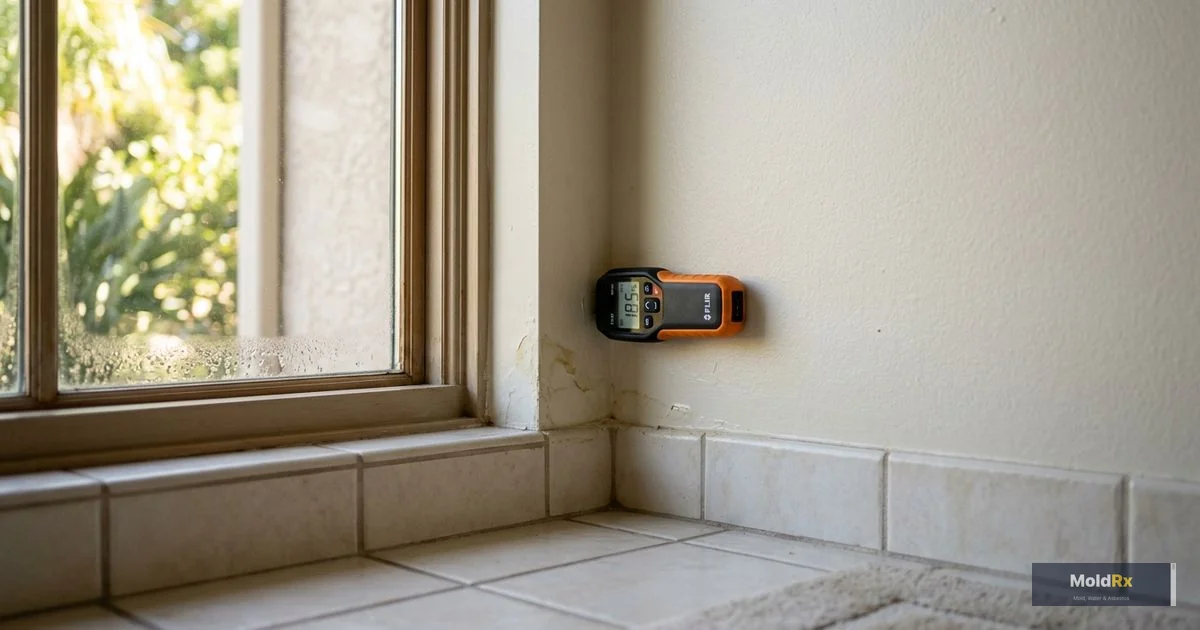
When your home floods, when a pipe bursts at 2 a.m., when a home inspector writes "significant mold growth" on a report — you're not shopping. You're scrambling. You need someone now, and you need them to fix it.
Dishonest contractors know this. They've built entire business models around exploiting the gap between your emergency and your ability to evaluate who you're hiring. Some show up uninvited after storms. Others use fear-based language designed to short-circuit your judgment. A few will collect your money, do work that makes the problem worse, and disappear before you realize what happened.
The legitimate mold remediation and water damage restoration industry follows established standards, uses trained technicians, and operates with transparency. But not every company in this industry is legitimate, and when you're dealing with water pouring into your living room or mold spreading behind your walls, telling the difference can be difficult.
This guide covers the specific tactics dishonest contractors use, how to recognize each one, and what legitimate companies do differently. If you read this before you need it, you'll be prepared. If you're reading it because you suspect something is wrong with the company you've already hired, you'll know whether your instincts are correct.
12 Scam Tactics Dishonest Contractors Use
These aren't theoretical. Every tactic on this list is something homeowners encounter regularly — especially in regions prone to storms, flooding, and humidity-related mold growth.
1. Door-to-door solicitation after storms
Within hours of a major weather event, trucks from out-of-state companies roll into affected neighborhoods and start knocking on doors. They'll tell you they're "working with your insurance company" or "already helping your neighbors." They may offer to tarp your roof for free, then pressure you into signing a contract for restoration work on the spot.
Why it's a problem: Legitimate restoration companies get work through referrals, insurance networks, and their established reputation. They don't need to cold-call your front door. Storm chasers often have no local presence, no accountability, and no intention of being around when something goes wrong six months later.
What to do instead: If someone shows up uninvited after a storm, take their card and tell them you'll call if you need them. Then verify their licensing, insurance, and local business address before you make any contact. Better yet, call a company you've already vetted — or ask your insurance adjuster for a recommendation.
2. Scare-based upselling
"Your family is breathing toxic mold right now." "This is a Category 3 biohazard situation." "If you don't act today, the structural integrity of your home is compromised."
Some contractors use clinical-sounding language and exaggerated health claims to inflate the perceived severity of your problem. The goal is to make you too afraid to get a second opinion, too afraid to ask questions, and too afraid to negotiate the price.
Why it's a problem: Mold and water damage are serious, but the vast majority of residential situations do not require emergency evacuation or same-day demolition. A contractor who weaponizes fear is manipulating you into making a fast, expensive decision without adequate information.
What to do instead: Ask for specifics. What exactly are they seeing? What standard or guideline are they referencing? A qualified professional can explain the severity of a situation calmly and specifically without resorting to scare tactics. If someone is trying to frighten you into signing a contract, that tells you everything you need to know about their priorities.
3. Testing and remediation performed by the same company
This is one of the most common conflicts of interest in the industry. A company shows up, performs a mold test, tells you the results are alarming, and then offers to remediate the problem they just identified. The same company that profits from finding mold also profits from removing it — and later declares their own work successful through their own post-remediation testing.
Why it's a problem: When the same company handles testing and remediation, there is a financial incentive at every stage to find problems, inflate scope, and certify their own results. Independent testing by a separate company eliminates this conflict. This separation is recognized as a best practice across the remediation industry, and many insurance companies specifically require it.
What to do instead: Insist on independent third-party testing — both before and after remediation. The company that identifies the problem should not be the same company that fixes it. Learn more about what certifications legitimate companies carry and why this separation matters.
4. No written scope of work
The contractor looks at the problem, gives you a verbal price, and wants to start immediately. There's no written document describing what they'll do, which materials will be removed, how the area will be contained, what the timeline is, or what constitutes project completion.
Why it's a problem: Without a written scope, you have no way to verify that the agreed-upon work was actually performed. You have no basis for dispute if the work is incomplete. You have no documentation for insurance claims. And you have no protection if the contractor decides to charge more mid-project because the scope "changed."
What to do instead: Require a detailed written scope of work before any demolition or remediation begins. It should specify: affected areas, materials to be removed, containment methods, air filtration equipment, moisture source correction, timeline, payment schedule, and clearance testing requirements. If a contractor won't put their plan in writing, they're not a contractor you should hire. This is a baseline requirement covered in our guide on how to choose a mold remediation company.
5. No containment during removal
The crew shows up, tears out drywall, and bags it — with no polyethylene barriers, no sealed doorways, and no HEPA-filtered negative air machines running. They might open windows or set up a box fan as their version of "ventilation."
Why it's a problem: Removing mold-contaminated materials without containment and negative air pressure is not remediation. It is demolition with mold present, and it actively spreads spores to every connected room, hallway, and HVAC duct in the building. A one-room mold problem becomes a whole-house contamination event. The IICRC S520 standard is explicit about containment requirements for a reason.
What to do instead: Before work begins, confirm that the company will set up full containment — polyethylene sheeting, sealed seams, negative air pressure with HEPA air scrubbers — for any project involving the removal of mold-contaminated materials. If you arrive at your home and see demolition happening without containment, stop the work immediately.
6. No clearance testing after remediation
The crew finishes, tears down their equipment, tells you "it looks clean," and hands you the invoice. There's no air sampling, no laboratory analysis, and no independent verification that spore counts have actually returned to normal.
Why it's a problem: Visual inspection cannot verify that remediation was successful. Mold spores are microscopic and invisible. The only way to objectively confirm that indoor air quality has been restored is through laboratory analysis of air samples collected by an independent party after the work is complete. Without clearance testing, you're trusting the contractor's word — and if spores are still elevated, you'll find out the hard way when mold regrows weeks or months later.
What to do instead: Make clearance testing by an independent third party a non-negotiable requirement of any remediation contract. The testing should happen after remediation but before containment barriers are removed, so that if the space fails, additional work can be done within the existing containment setup. Read more about what to expect after mold remediation.
7. Pressure to sign immediately
"This price is only good today." "We have a crew available right now, but if you wait, we're booked out three weeks." "Your insurance company needs you to start remediation within 24 hours or they'll deny the claim."
High-pressure sales tactics are designed to prevent you from doing exactly what every consumer should do: get a second opinion, verify credentials, read the contract, and make an informed decision.
Why it's a problem: No legitimate remediation company needs you to sign a contract within minutes of their first visit. Yes, water damage and mold should be addressed promptly — but "promptly" means days, not minutes. A company that manufactures artificial urgency is banking on the fact that if you take time to think, you'll realize the deal isn't as good as they're making it sound.
What to do instead: Take the time you need. Tell the contractor you'll review their proposal and get back to them within 24 to 48 hours. If they react negatively to this completely reasonable request, they've answered your question about whether to hire them.
8. Cash-only payments with no documentation
The contractor wants payment in cash. There's no formal invoice, no receipt, and no paper trail. They may frame it as a discount — "we can knock 10% off if you pay cash" — but the real purpose is avoiding accountability.
Why it's a problem: Cash-only operations leave you with zero recourse if the work is substandard, incomplete, or causes additional damage. There's no transaction record for your insurance company. There's no paper trail for a dispute. There's no way to prove you paid if the contractor claims you didn't. And companies that avoid documented transactions are often avoiding them for tax, licensing, or insurance reasons — none of which work in your favor.
What to do instead: Pay by check or credit card, and insist on a written invoice that details the work performed. Credit card payments offer the additional protection of chargeback rights if the work is fraudulent or incomplete.
9. No license, no insurance, or both
You ask about their contractor's license and get a vague answer. You ask about insurance and they change the subject. They might claim licensing "isn't required" for the type of work they do, or that their insurance "is being renewed."
Why it's a problem: An unlicensed contractor may have no training, no accountability to a licensing board, and no legal standing to perform the work. An uninsured contractor transfers all risk to you — if a worker is injured on your property, you could be liable. If their work causes additional damage to your home, you have no insurance to claim against. Licensing and insurance aren't bureaucratic formalities. They're the minimum threshold of legitimacy.
What to do instead: Ask for their contractor's license number and verify it through your state's licensing board. Ask for certificates of insurance — both general liability and workers' compensation — and verify they're current. This takes ten minutes and eliminates the most egregious bad actors immediately.
10. Fake or irrelevant certifications
The contractor's website lists a wall of logos and certification acronyms. But when you look closely, the certifications are from organizations that don't exist, that sell certificates without requiring training or examination, or that are unrelated to mold remediation or water damage restoration.
Why it's a problem: The remediation industry has recognized, meaningful certifications — IICRC S520 for mold remediation, IICRC WRT for water damage restoration, ACAC for inspection and consulting. These require coursework, examinations, and continuing education. Fake credentials are designed to create the appearance of qualification where none exists.
What to do instead: Ask specifically for IICRC certifications and verify them through the IICRC website. Don't accept a logo on a website as proof — ask to see the actual certification documentation. Learn more in our breakdown of mold remediation company certifications.
11. Unnecessary demolition
The contractor tells you the mold damage requires removing all drywall in the room — floor to ceiling, all four walls — plus the flooring, the baseboards, and maybe the cabinets. The actual contamination might be limited to a 6-foot section behind the shower, but the scope of demolition vastly exceeds what the contamination warrants.
Why it's a problem: More demolition means a bigger invoice. Some dishonest contractors inflate the scope of removal far beyond what the contamination requires because they're billing by the square foot of material removed. Legitimate remediation removes contaminated materials and a safety margin beyond visible growth — it doesn't demolish entire rooms on a hunch.
What to do instead: Ask why each item in the scope of work needs to be removed. A legitimate company can explain their rationale based on moisture readings, visual assessment, and testing data. If the proposed demolition seems disproportionate to the visible problem, get a second assessment from another qualified company. Ask them to reference the IICRC S520 standard to justify the scope.
12. "Proprietary" treatments that replace real remediation
"We use a proprietary antimicrobial fogging system that eliminates mold without demolition." "Our patented coating seals mold permanently." "We treat the air with ozone to destroy all mold spores — no removal necessary."
Why it's a problem: There is no spray, fog, coating, or gas that replaces the physical removal of mold-contaminated materials. Antimicrobial treatments and sealants have a legitimate role in remediation — but only after contaminated materials have been removed, not instead of removal. Companies that sell chemical-only solutions are selling you something that will fail, because the contaminated material is still there, still releasing spores, and still connected to a moisture source that hasn't been addressed.
What to do instead: Any company claiming they can remediate mold without removing contaminated porous materials is either uninformed or dishonest. Walk away. Professional remediation involves physical removal, HEPA vacuuming, antimicrobial treatment of salvageable surfaces, and clearance testing — in that order. There are no shortcuts.
How to Protect Yourself
Beyond recognizing individual scam tactics, these broader practices will help you avoid dishonest contractors entirely.
Vet before you need them
The worst time to evaluate a contractor is during an emergency. If you own a home, identify a reputable mold remediation and water damage restoration company now, before you need one. Verify their credentials, check their reviews, and save their number. When something goes wrong, you'll call someone you've already vetted instead of whoever shows up first.
Get multiple assessments
For any non-emergency remediation project, get assessments from at least two qualified companies. Compare not just prices, but scopes of work. If one company proposes significantly more demolition or a significantly higher price than the others, ask them to justify the difference with specific data.
Verify everything independently
Don't take a contractor's word for their license, insurance, or certifications. Verify license numbers through your state's licensing board. Call insurance companies to confirm coverage is active. Check IICRC certifications through the IICRC directory. This takes less time than a single phone call with a sales rep.
Read contracts before signing
Read every word of the contract. Look for the scope of work, the payment schedule, the timeline, the clearance testing requirement, and the warranty or guarantee terms. If something the contractor promised verbally isn't in the contract, it doesn't exist.
Document everything
From the first phone call through project completion, document everything. Save emails and text messages. Take photos of the damage before anyone starts work. Take photos during the work if you're able. Keep copies of all contracts, invoices, test results, and communications. This documentation is your protection if anything goes wrong.
Ask the right questions
Use the question list in our guide on how to choose a mold remediation company and our list of questions to ask a water damage restoration company. The answers — and especially the willingness to answer — will separate legitimate professionals from the rest.
What Legitimate Companies Do Differently
It helps to know what the opposite of a scam looks like. Honest, qualified remediation companies share consistent characteristics.
They let you take your time. A professional company provides a written proposal and gives you time to review it, ask questions, and compare options. They don't pressure, guilt, or rush you.
They explain everything. Good companies walk you through their process, explain why each step matters, and answer questions thoroughly. They don't hide behind jargon or vague language.
They separate testing from remediation. Legitimate companies either don't offer testing at all or actively recommend that you hire an independent testing company. They want the results to be objective because they're confident in their work.
They document the entire project. From the initial assessment through clearance testing, professional companies create a complete paper trail — photos, moisture readings, scope of work, materials removed, and lab results. This protects you and demonstrates their accountability.
They follow IICRC standards. The S520 standard for mold remediation and the S500 standard for water damage restoration exist for a reason. Legitimate companies train to these standards, reference them in their scopes of work, and build their processes around them.
They stand behind the work. If clearance testing fails, a legitimate company performs additional remediation and retests — at their own expense. If mold recurs because of a failure in their work, they come back. This is the expectation, and it should be in writing.
Frequently Asked Questions
How do I report a dishonest remediation contractor?
File a complaint with your state's Contractors State License Board (or equivalent agency). You can also report the company to the Better Business Bureau, your state's Attorney General consumer protection division, and your local county consumer affairs office. If you believe fraud has occurred, file a police report as well. Documentation — contracts, photos, communications, and payment records — strengthens every one of these complaints.
What if I've already paid a dishonest contractor?
Document everything you can: photos of the incomplete or substandard work, copies of contracts and invoices, all communications, and any evidence of the claims they made. Contact your state's contractor licensing board to file a complaint. If you paid by credit card, initiate a chargeback through your card issuer. Consult a consumer protection attorney — many offer free initial consultations for contractor fraud cases.
Are storm-chasing contractors always dishonest?
Not always, but the business model itself raises serious concerns. Contractors who travel to disaster areas and solicit door-to-door often have no local accountability, no local reputation to protect, and no incentive to ensure long-term quality. Some are legitimate companies expanding their service area during high-demand events. Many are not. The safest approach is to work with companies that have an established local presence and verifiable history.
Why do some contractors offer free mold testing?
Usually because free testing is a sales tool. The contractor performs the test, finds mold (which is almost always present at some level), presents the results in alarming terms, and recommends remediation — which they conveniently offer. The "free" test is actually a customer acquisition cost baked into the remediation quote. Independent testing that you pay for directly eliminates this incentive structure.
Can a contractor hold my belongings or property hostage until I pay?
In most states, a contractor cannot legally refuse to return your property or block access to your home over a payment dispute. If this happens, contact local law enforcement and a consumer protection attorney immediately. Document the situation thoroughly.
What certifications should a legitimate mold remediation company have?
At minimum, look for IICRC S520 (mold remediation) certification. IICRC WRT (water damage restoration) is also relevant since mold is fundamentally a moisture problem. For companies that also offer testing, ACAC or equivalent inspection certifications add credibility. Verify all certifications independently — don't trust logos on a website. Our certifications guide covers this in detail.
Is it a red flag if a company won't give me a quote over the phone?
No — this is actually a green flag. The scope of remediation depends on factors that can only be evaluated in person: the extent of contamination, the materials affected, the moisture source, and the configuration of the space. A company that insists on an on-site assessment before quoting is demonstrating professionalism. A company that quotes a firm price without seeing the property is the one you should worry about.
How can I verify a contractor's license?
Every state has a licensing board or regulatory agency that maintains a public database of licensed contractors. In California, use the Contractors State License Board (CSLB) website to search by license number or company name. The database shows license status, classification, bond information, and any complaints or disciplinary actions.
Should I let my insurance company choose the remediation contractor?
Your insurance company may have a list of preferred vendors, and there's nothing wrong with considering those companies. However, you are generally not required to use your insurer's recommended contractor. The advantage of their preferred vendors is that those companies understand the insurance documentation requirements. The disadvantage is that preferred vendors may be incentivized to keep costs low for the insurer rather than to maximize the quality of your remediation. Get your own assessment as well, and compare.
What's the difference between a scam and just bad work?
A scam involves intentional deception — lying about credentials, fabricating test results, billing for work not performed, or using high-pressure tactics to extract payment for unnecessary services. Bad work can come from well-intentioned but underqualified contractors who lack proper training or fail to follow industry standards. Both are harmful to you, but the distinction matters when deciding how to respond. Bad work may warrant a conversation and corrective action. Fraud warrants a formal complaint, legal consultation, and potentially criminal charges.
Get an Honest Assessment
The best defense against remediation scams is knowing what legitimate companies look like before you need one. The second-best defense is calling a company that will be straight with you about what your situation actually requires — no scare tactics, no inflated scope, no pressure.
If you're dealing with mold or water damage and want a transparent assessment from a company that follows IICRC standards, separates testing from remediation, puts everything in writing, and stands behind the work with independent clearance testing, call (888) 609-8907 or request a free estimate online. We'll tell you what we see, explain what needs to happen, and let you make the decision on your own timeline.