Expert Tips & Insights
Water Damage
Family-Owned & Operated
Free Estimates
Emergency Response
Read our latest articles about water damage services.
Read more →Loading blog posts...
Read our latest articles about water damage services.
Read more →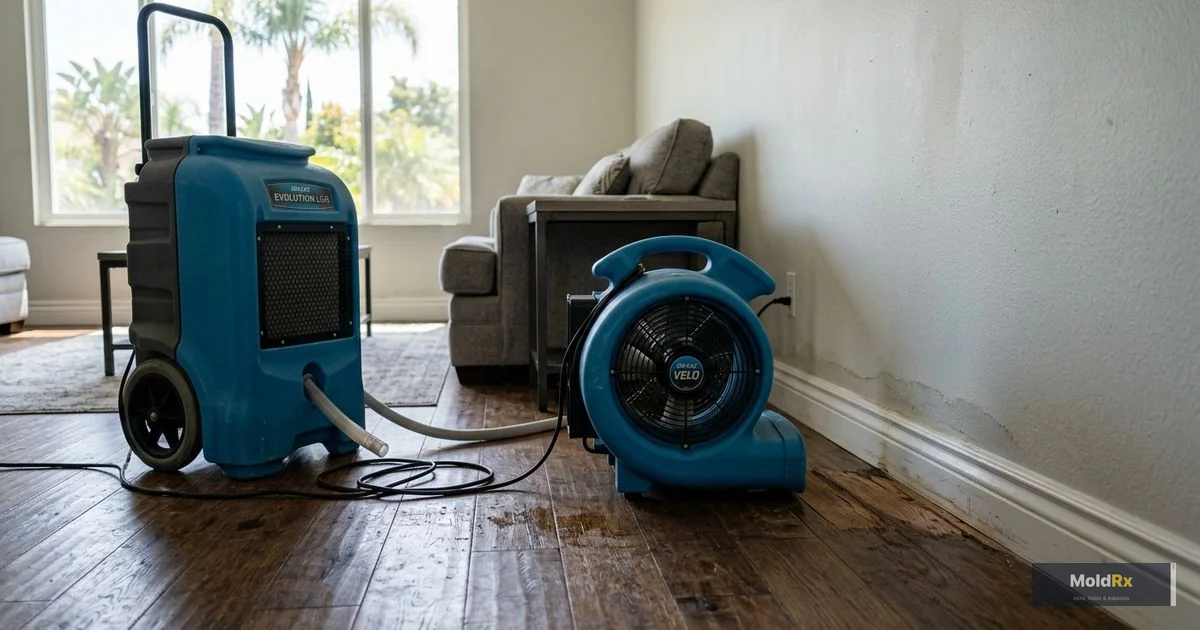
Most water damage and mold growth in homes is preventable with routine maintenance — but only if you know what to check and when. This season-by-season checklist covers every major system in your home, from roof to foundation, with specific tasks timed to when they matter most. Print it out, tape it to the fridge, and work through it quarterly.
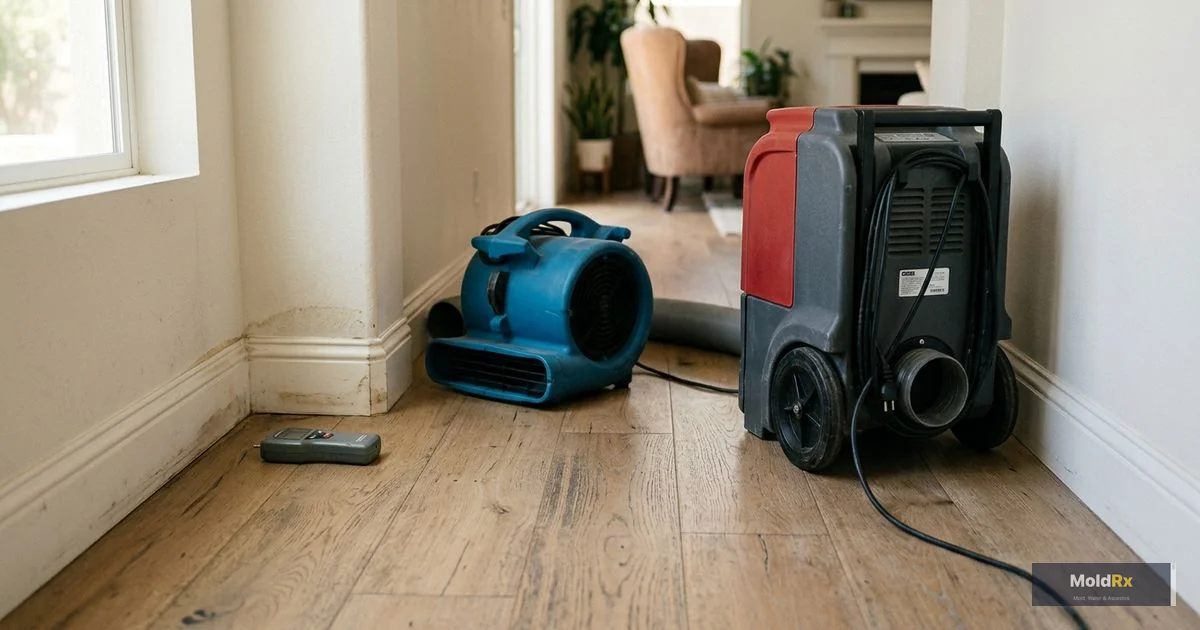
Reconstruction begins only after structural drying is verified complete — not before. Here's what actually happens during the rebuild phase of water damage restoration: clearance verification, what materials typically need replacement, reconstruction timelines by scope, working with insurance, mold-resistant upgrades, and matching existing finishes.
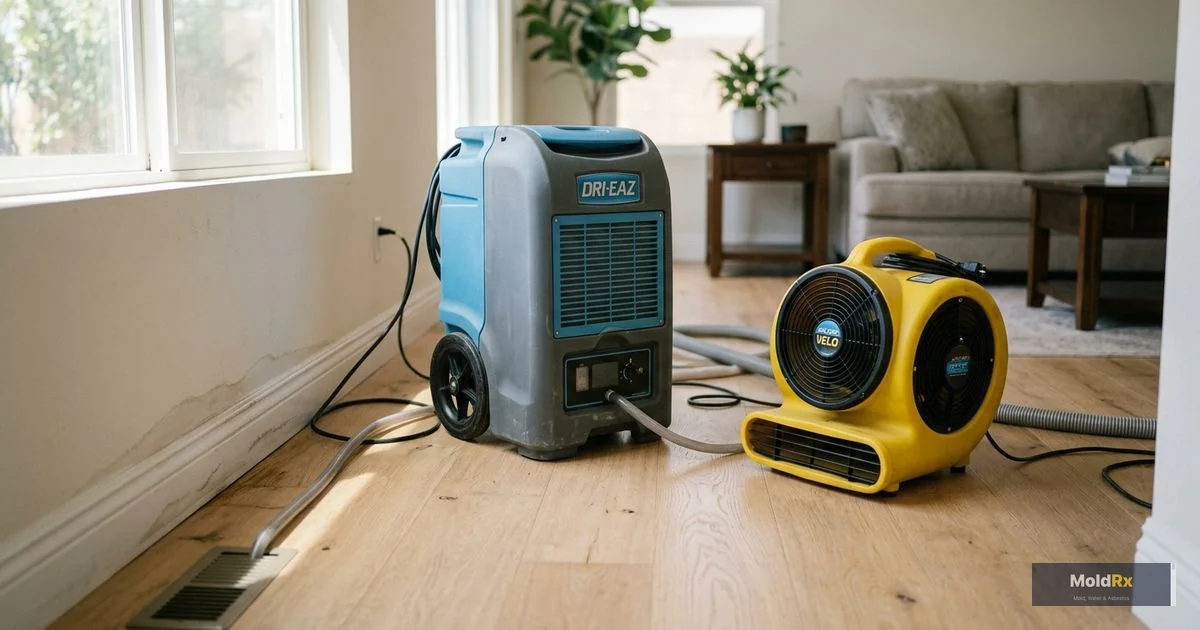
Most water damage restoration projects take 5 days to 3 weeks from extraction through reconstruction, with structural drying alone requiring 3 to 5 days. The actual timeline depends on the water category, damage class, materials affected, square footage, and whether secondary damage like mold has developed. Here's a realistic phase-by-phase breakdown so you know what to expect.
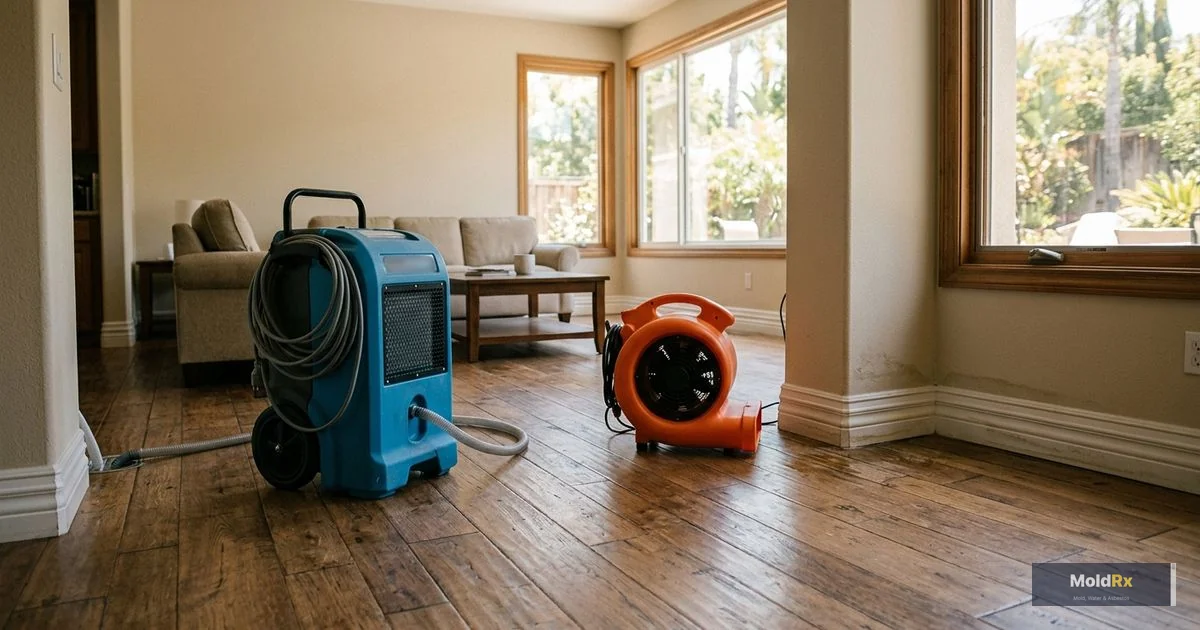
Professional water damage restoration follows a systematic multi-phase process — from emergency response and inspection through water extraction, structural drying, cleaning, mold prevention, and full reconstruction. Here's what happens at each step, what equipment is used, how long it takes, and what you should expect as a homeowner.
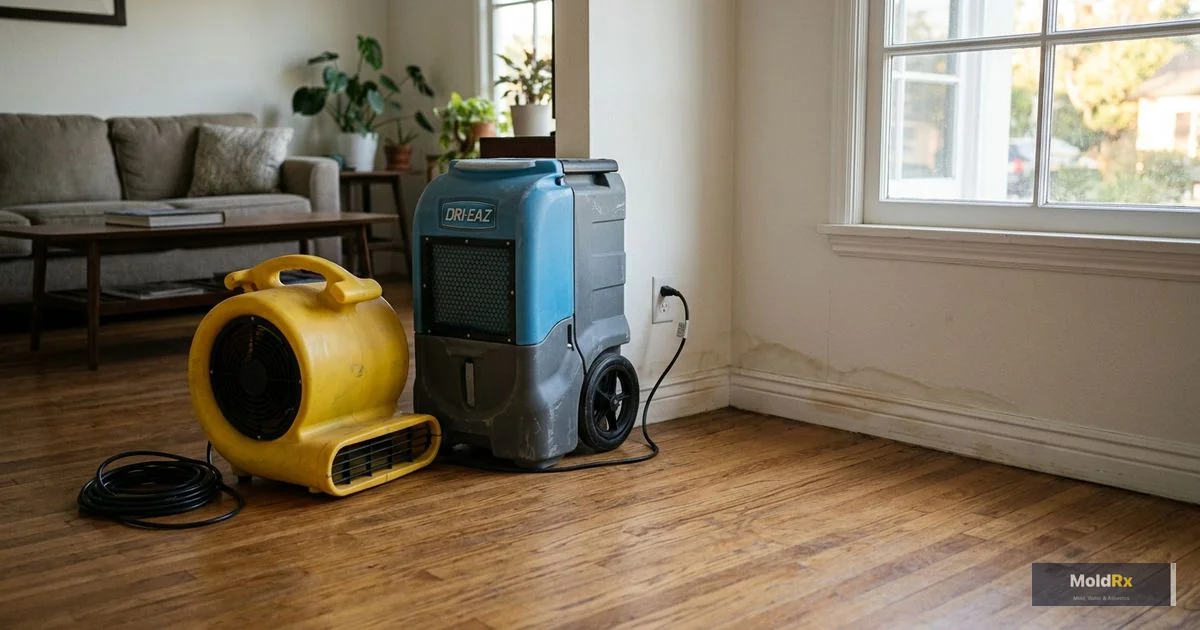
Document everything from the moment you discover water damage — before you clean anything. Your photos, videos, written timeline, professional moisture readings, and receipts are the evidence that determines whether your insurance claim is approved in full, underpaid, or denied. Here's exactly what to capture, how to capture it, and what adjusters are actually looking for.
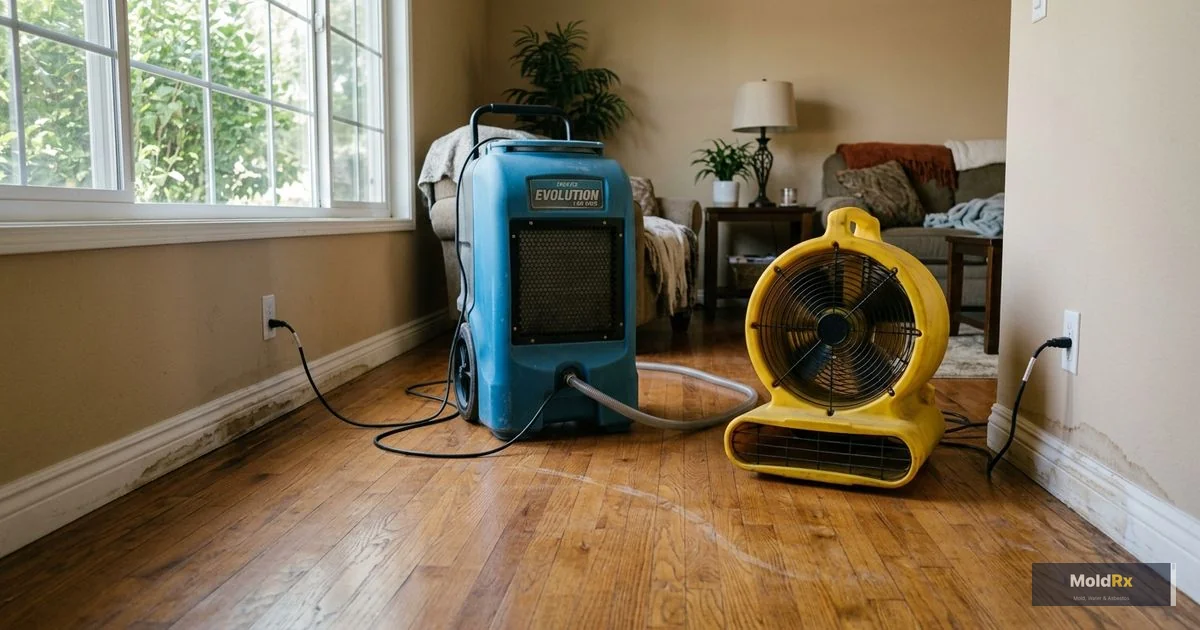
Most homeowners hire the first restoration company that answers the phone. That's how you end up with incomplete drying, mold behind your walls three months later, and an insurance claim with no documentation to back it up. Here are the questions that separate qualified companies from the ones that will cost you more in the long run.
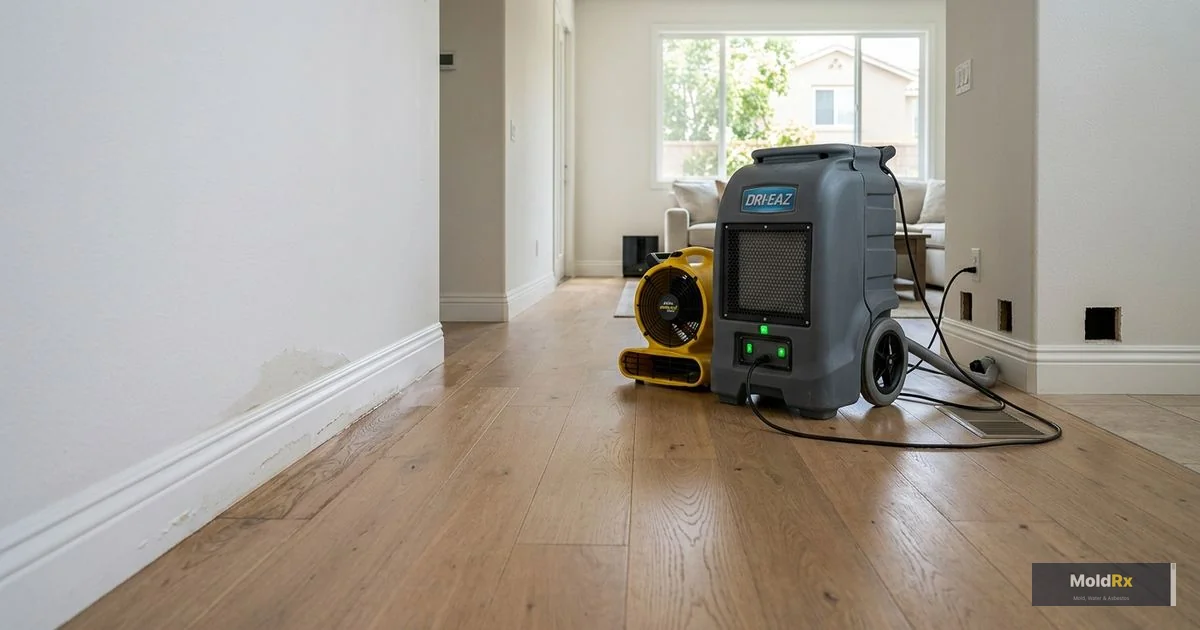
Standard homeowner's insurance policies in California cover sudden, accidental water damage — but not gradual leaks, deferred maintenance, or flood events. The difference between a paid claim and a denied one often comes down to what type of water damage occurred, how quickly you responded, and how well you documented everything. Here's what California homeowners need to know before, during, and after filing a water damage insurance claim.
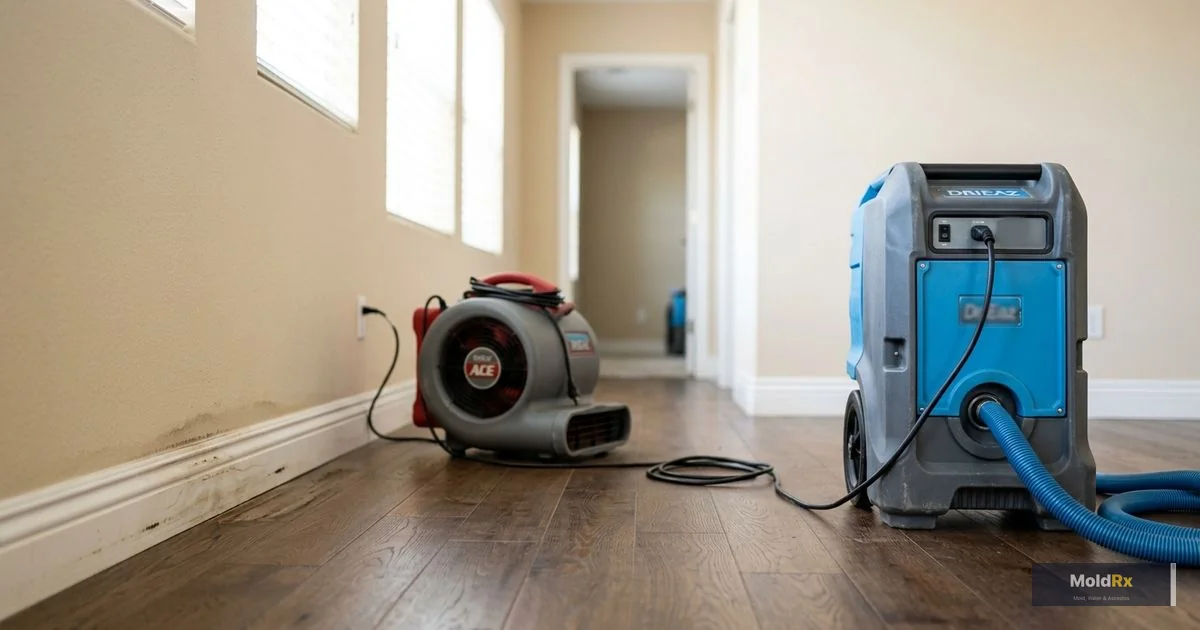
Santa Ana winds create a three-phase damage cycle that most Southern California homeowners don't anticipate: wind damage to the building envelope, fire and the massive water volume used to fight it, then secondary water damage when rain hits burn scars and marine air returns with coastal moisture. Each phase creates conditions for mold growth, and the recovery path depends on understanding how they connect.
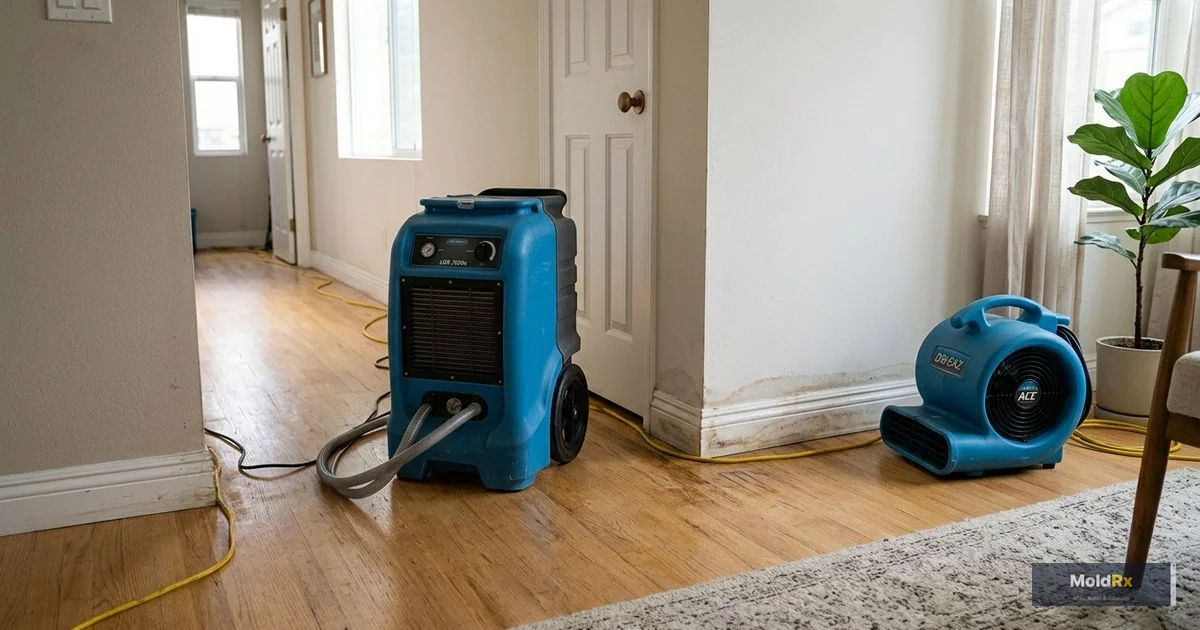
Southern California's rainy season runs November through March and delivers most of the year's rainfall in concentrated bursts. Atmospheric rivers, burn scar flooding, and aging building envelopes make pre-season preparation essential. This checklist covers what to inspect, how to protect your home during storms, and what to do the moment you find water inside.
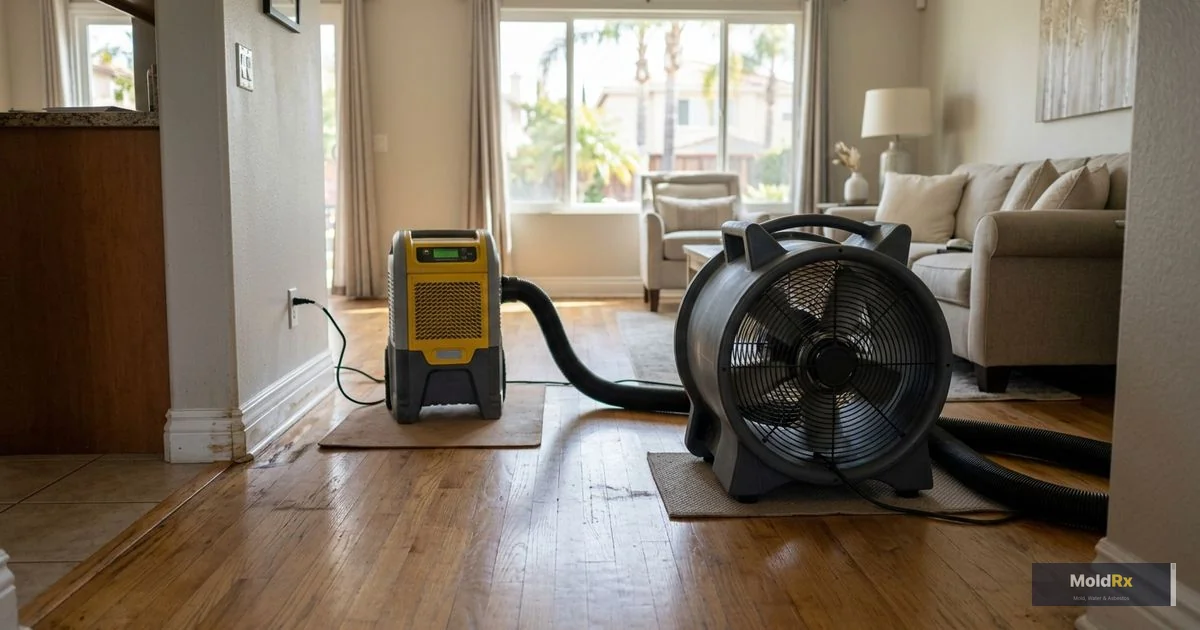
Pool leaks are one of the most underestimated sources of foundation and structural water damage in Southern California, where roughly one in six homes has a pool. A leaking pool can silently pump hundreds of gallons per day into the surrounding soil, saturating foundations, undermining slab-on-grade construction, and creating moisture conditions that lead to mold growth inside the home — often without any visible sign until the damage is severe.
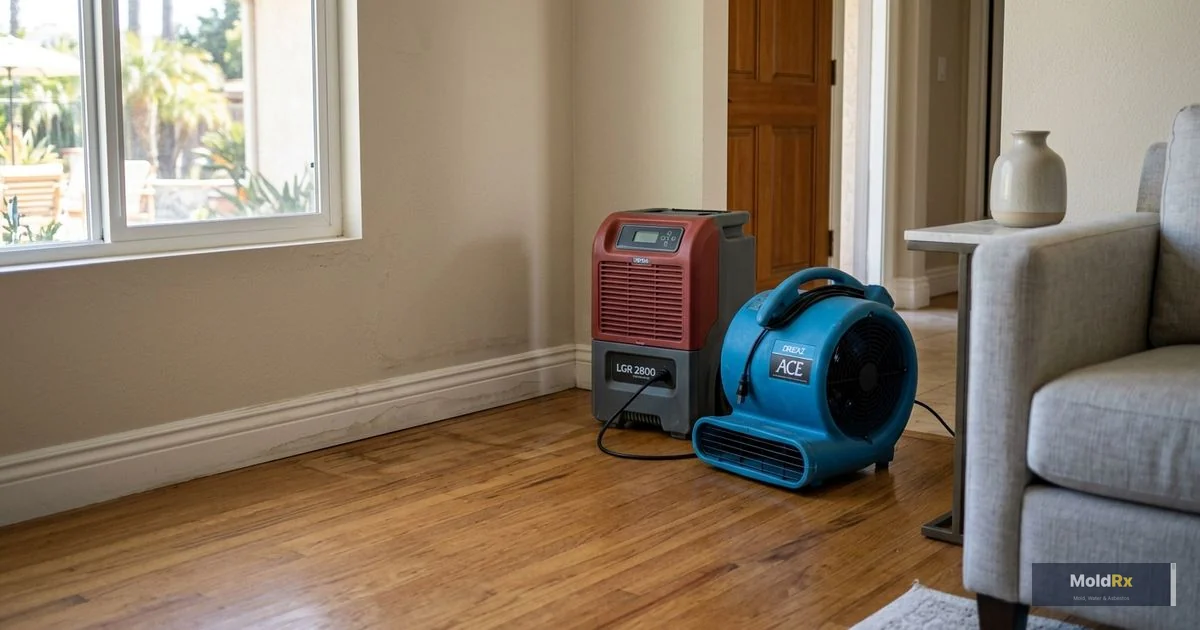
Stucco is the dominant exterior cladding in Southern California, but when it cracks, settles, or loses its flashing integrity, it becomes a moisture trap that funnels water into wall cavities where it can't dry. Trapped moisture behind stucco causes more damage than visible leaks because it goes undetected for months or years — rotting sheathing, corroding fasteners, and feeding mold colonies that spread through entire wall systems before the homeowner sees a single stain.
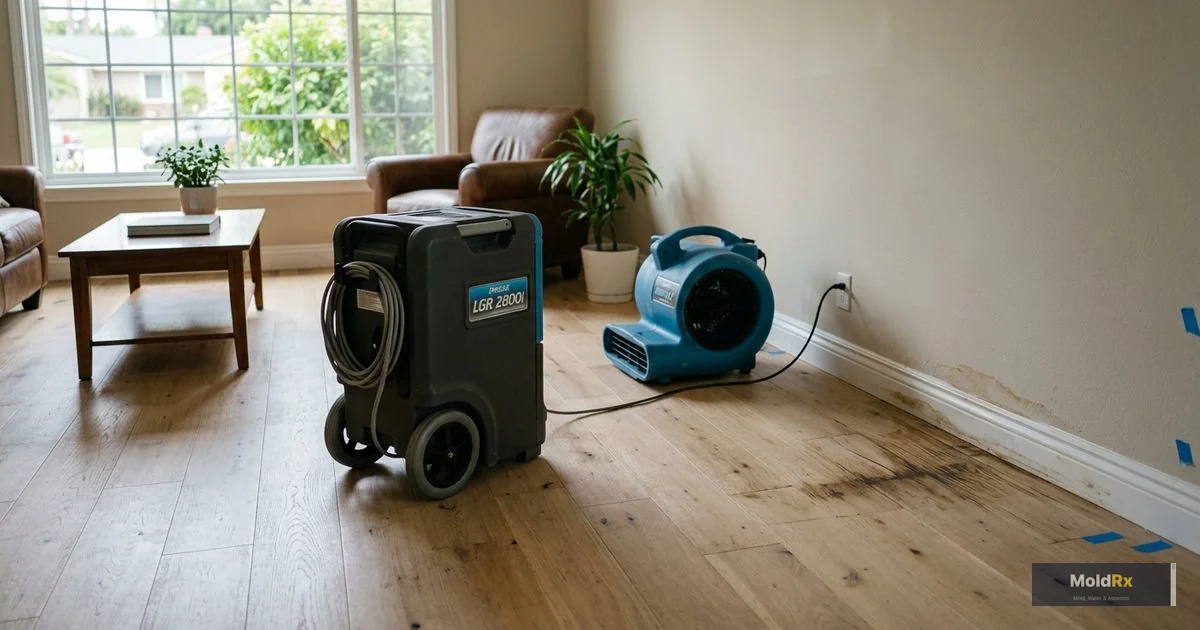
The five household appliances most likely to cause water damage are water heaters, washing machines, dishwashers, refrigerators, and HVAC systems. Most appliance failures are preventable with routine inspection, and knowing the warning signs can mean the difference between a quick cleanup and a major restoration project.
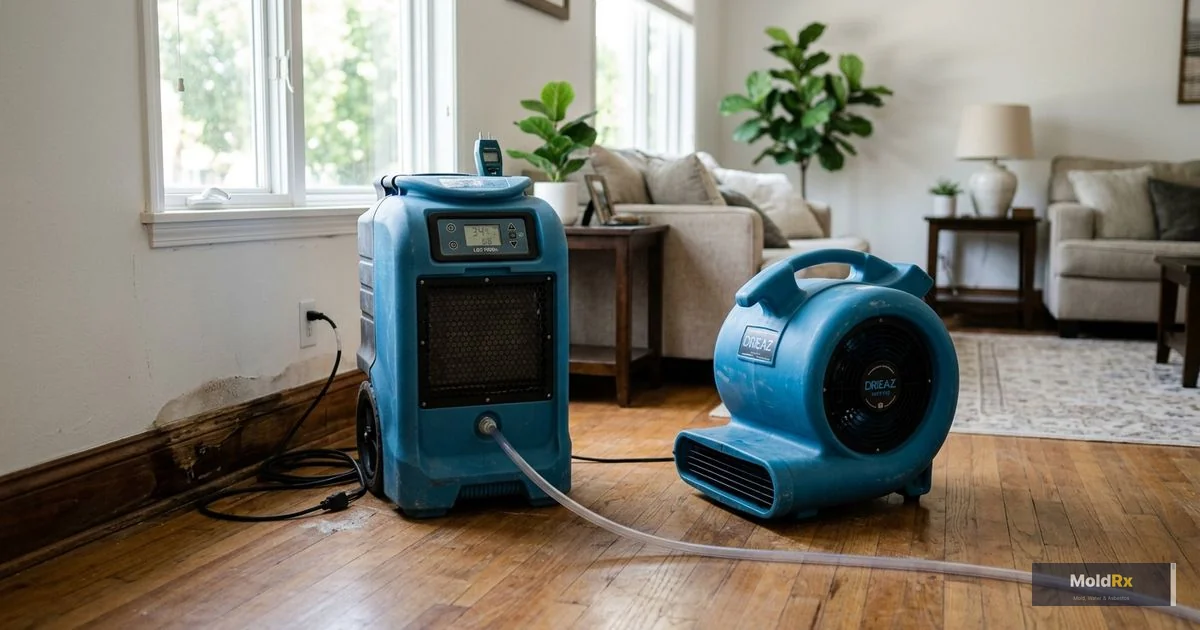
Mold begins colonizing wet building materials within 24 to 48 hours of water damage if those materials aren't dried properly. The connection between water damage and mold isn't a possibility — it's a biological certainty. Here's the science behind how water creates mold conditions, the timeline from water event to active colony, and what separates properties that recover cleanly from those that develop serious mold problems.
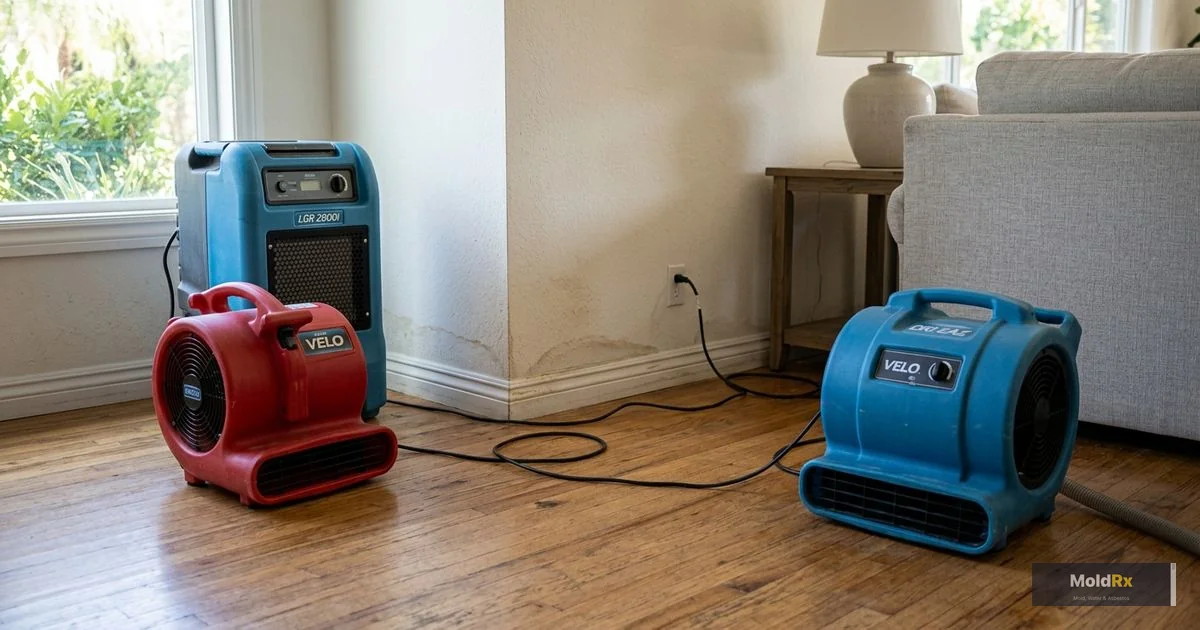
Water trapped inside wall cavities causes more damage than most visible flooding because it goes undetected for weeks or months. By the time stains bleed through paint or a musty smell appears, framing may already be rotting and mold may already be colonizing. Here's how to recognize water damage behind walls, what causes it in Southern California homes, how professionals find it, and what the restoration process looks like.
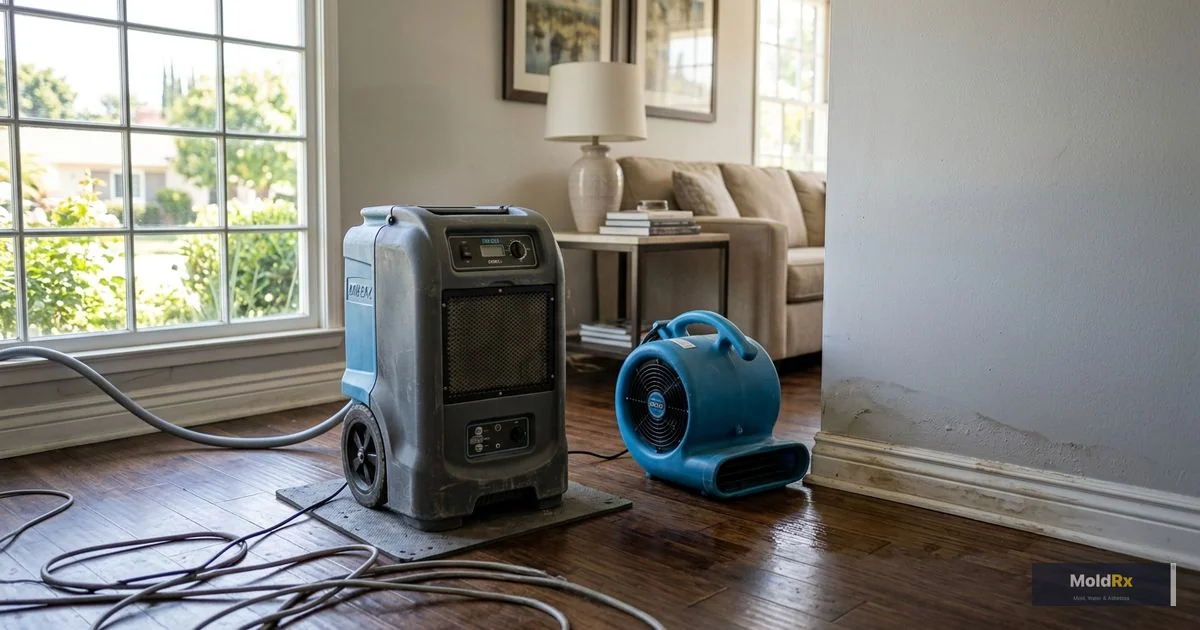
A slab leak is a water leak in the plumbing lines running beneath your home's concrete foundation. Southern California homes are especially vulnerable due to slab-on-grade construction, hard water that corrodes copper pipes, and expansive soils that shift with seasonal moisture changes. Knowing the warning signs — hot spots on floors, the sound of running water, unexplained bill increases — can prevent thousands in structural and mold damage.
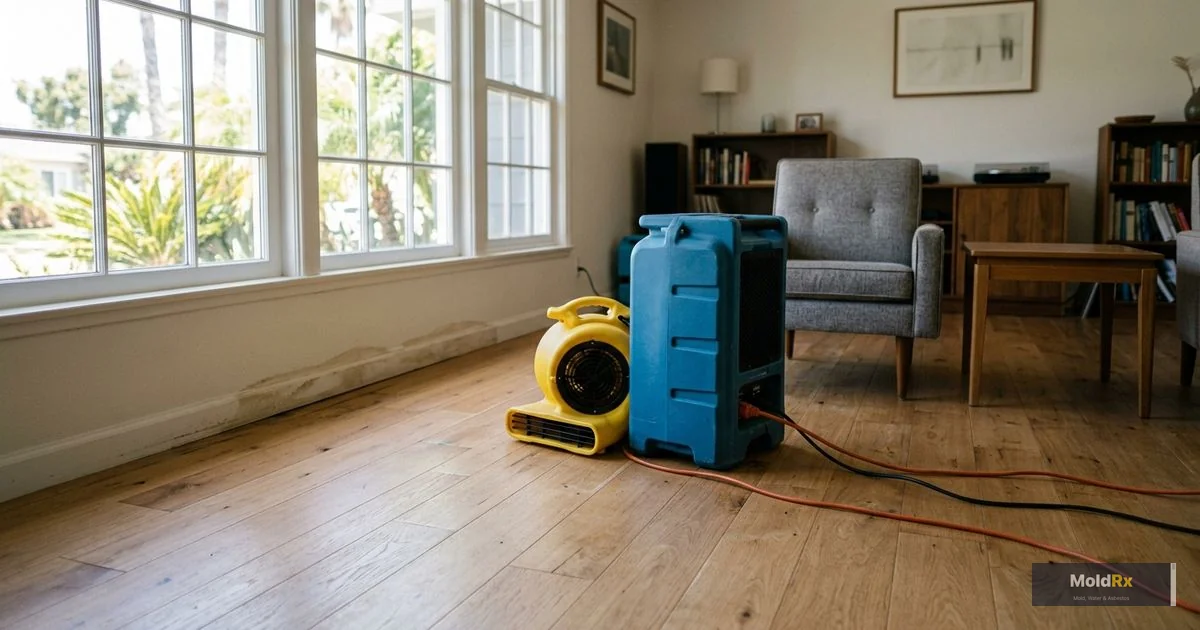
If a pipe just burst in your house, shut off the main water valve right now. Then shut off electricity to affected areas. This guide walks you through every step of a burst pipe emergency — from stopping the water to documenting for insurance — so you can minimize damage and protect your home.
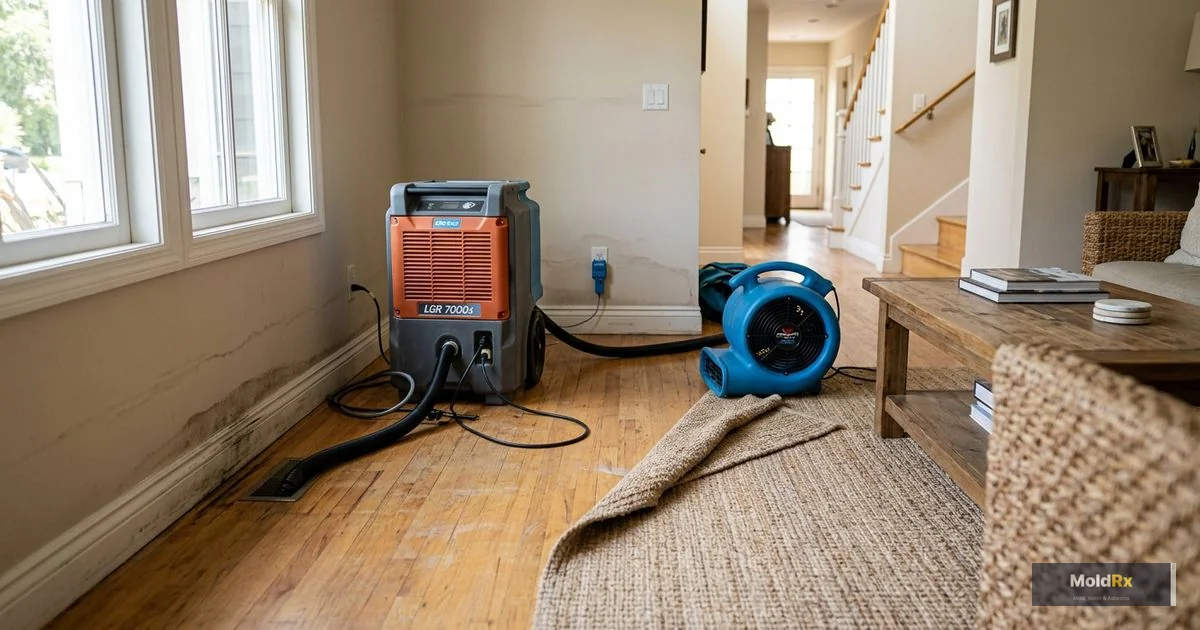
The first 24 hours after water damage determine whether you're dealing with a straightforward drying job or a mold remediation project. Here's exactly what to do — hour by hour — to protect your property, your health, and your insurance claim.
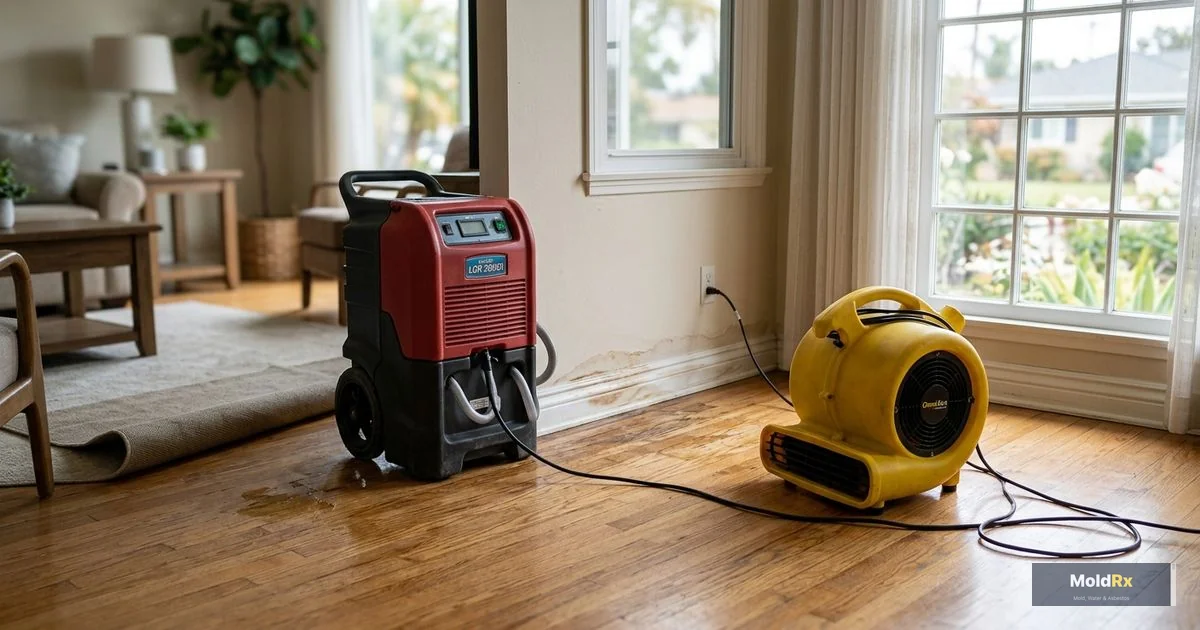
Not all water damage is the same. The IICRC S500 standard defines three categories — clean water, gray water, and black water — and each one dictates different health risks, restoration protocols, equipment requirements, and timelines. Understanding which category you're dealing with is the first step toward protecting your property and your health.
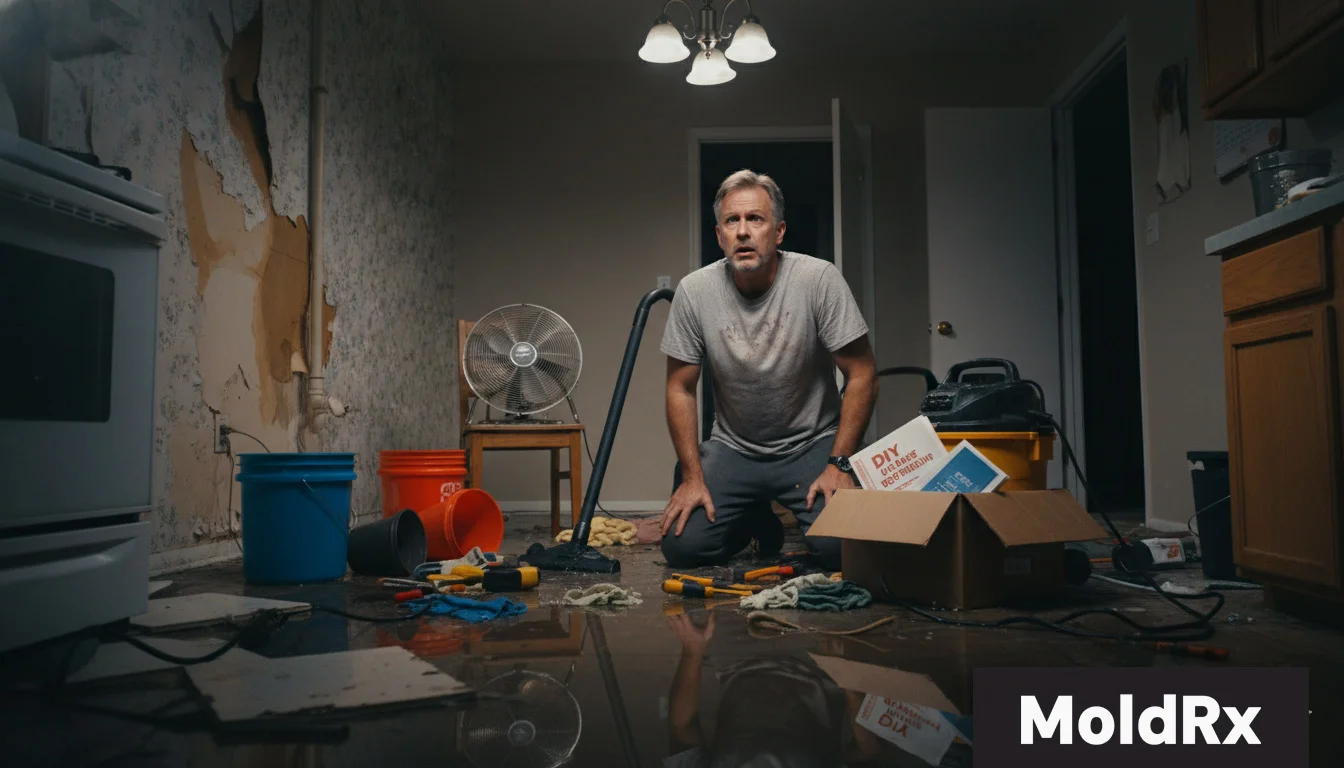
Some water damage is manageable for homeowners who act fast. Others require professional equipment no DIY effort can replace. The deciding factors: how much water, what type, how long it’s been there, and what materials are affected. Here’s how to know when you can handle it—and when calling for help is the smarter move.
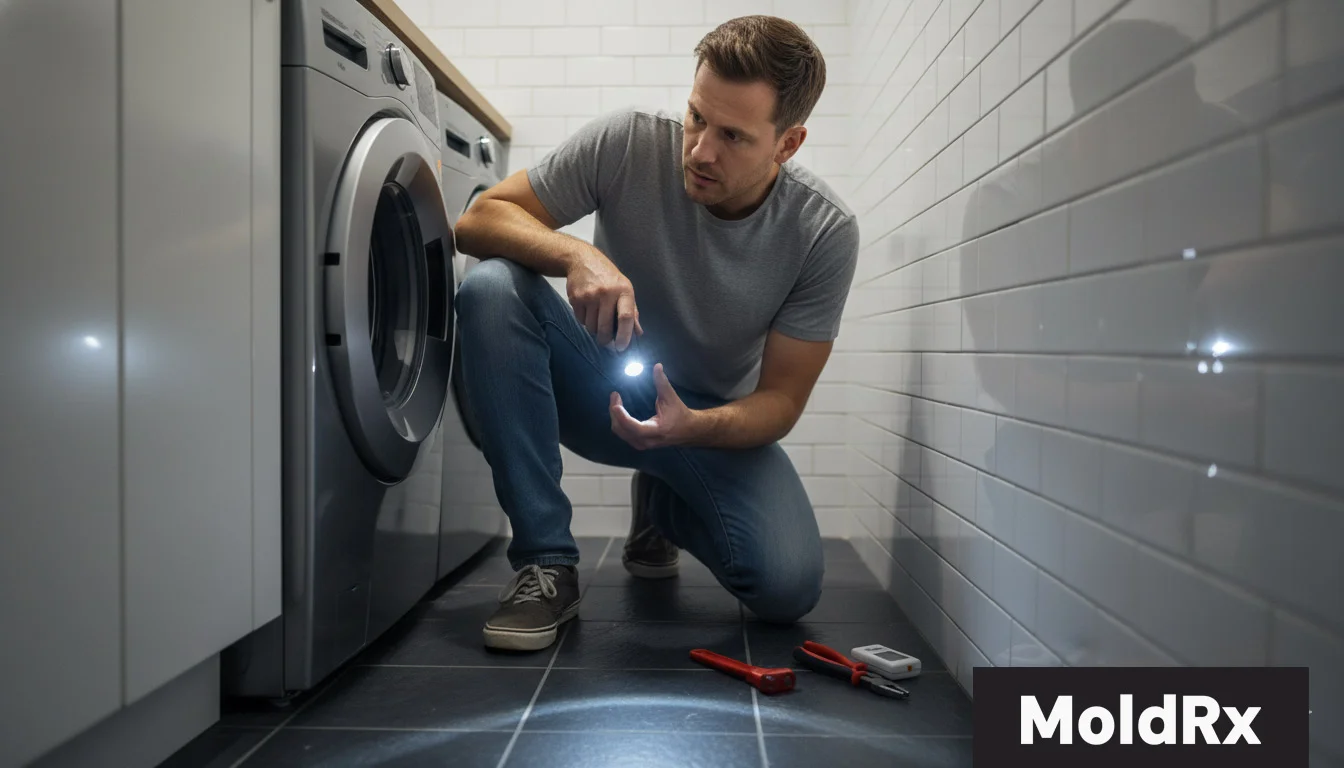
The water damage you can see is stressful enough. But hidden leaks—working quietly behind walls, under floors, and above ceilings—can cause damage for weeks or months before they announce themselves. Learning to spot early warning signs like unexplained water bill increases, musty odors, paint bubbling, or soft spots in flooring can save thousands of dollars and prevent complicated remediation projects.
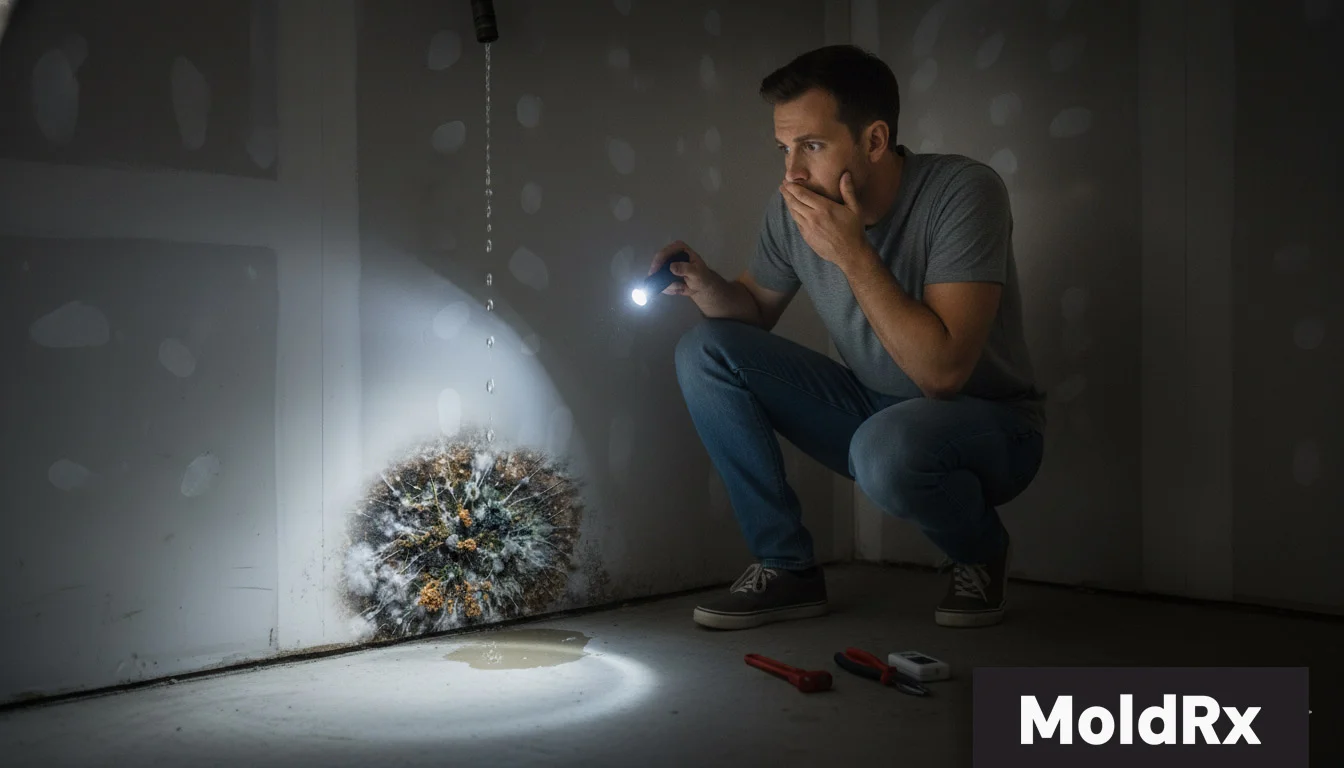
Mold can begin colonizing wet surfaces within 24 to 48 hours of water exposure. Visible growth typically appears within 3 to 12 days. The critical variable isn’t just time—it’s whether materials actually dried, especially in hidden spaces like wall cavities and under flooring where moisture can persist long after surfaces look dry.