Stop the water source, shut off electricity to affected areas, and start removing standing water immediately. Everything else in this guide matters — but those three actions, done in the next ten minutes, will determine how much of your property can be saved.
If water is still flowing, find your main water shutoff valve and turn it off. If you don't know where it is, call your water utility's emergency line. If the water is coming from a roof leak, storm, or appliance failure you can't control — skip to removing water and call (888) 609-8907 for emergency guidance.
What follows is the hour-by-hour timeline for handling water damage correctly. Every step is sequenced in order of priority. If you're reading this during an active water emergency, start at whatever hour you're in and work forward.
Hour 0-1: Stop the Damage and Protect Yourself
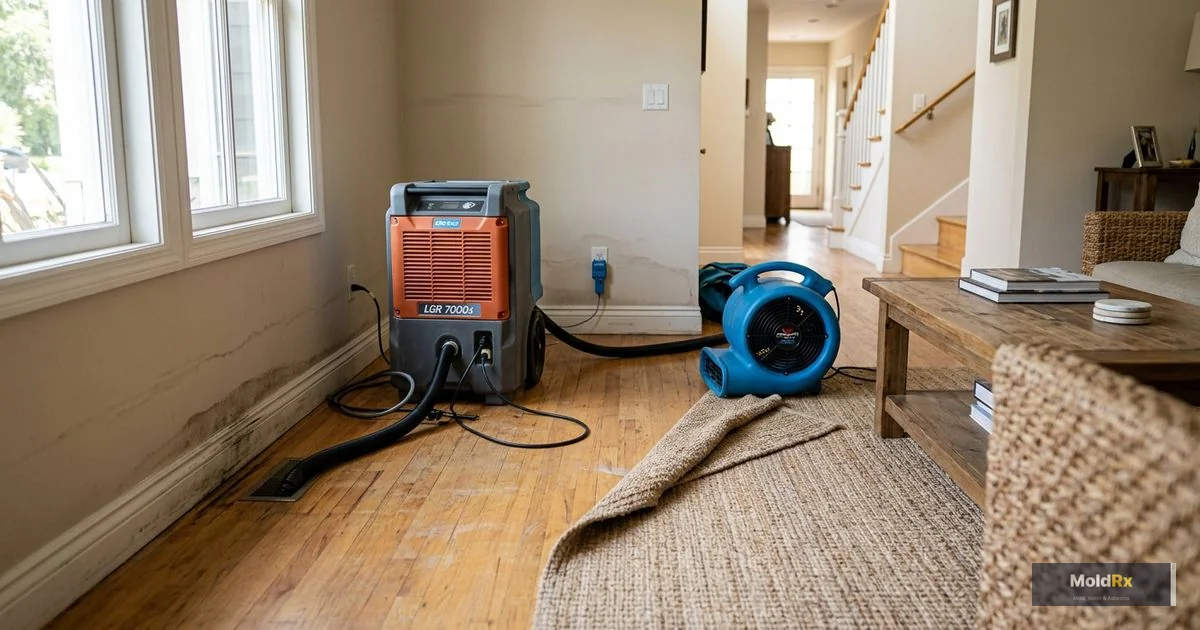
This first hour is about preventing the situation from getting worse. You're not restoring anything yet — you're stopping the bleeding.
Shut off the water source. For burst pipes, turn off the supply valve nearest to the break — or shut off the main water supply to the building. For appliance failures (water heater, washing machine, dishwasher), close the supply valves behind the unit. For toilet overflows, lift the tank lid and push the flapper valve down, then shut the supply valve at the wall.
Cut electricity to affected areas. If water has reached any electrical outlets, light switches, or appliances — do not walk through it until you've shut off the circuit breakers for those areas. If your breaker panel is in a flooded area or you can't reach it safely, call your electric utility's emergency line and stay out of the water. Electrocution risk is real and people die from it during water events.
Assess the water type. This determines everything about how you handle the next 24 hours:
- Category 1 (clean water) — Broken supply lines, faucet overflows, rainwater. Safe to handle with basic precautions.
- Category 2 (gray water) — Washing machine or dishwasher discharge, toilet overflow with urine. Wear gloves and avoid skin contact.
- Category 3 (black water) — Sewage backup, floodwater from outside, any water that has sat stagnant for 48+ hours. Do not attempt DIY cleanup. Call a professional immediately.
Start documenting. Pull out your phone and take photos and video of everything — standing water levels, where water is coming from, affected rooms, damaged belongings. Do this now, before you start cleanup. Your insurance carrier will need this. Photograph the source of the water if you can identify it.
Call your insurance company. Report the loss as soon as possible. Most policies require prompt notification, and delays can complicate your claim. Ask your adjuster whether they need to inspect before you begin cleanup — most will tell you to mitigate the damage immediately (you're required to under most policies) and document as you go.
Hours 1-4: Remove Water and Protect Your Belongings
With the source stopped and the area safe, your priority shifts to getting water out as fast as possible. Every hour water sits in contact with drywall, carpet padding, wood, and insulation, it absorbs deeper and the damage scope expands.
Extract standing water. A wet/dry shop vacuum is the most effective tool most homeowners have access to. Mops and towels work for thin layers on hard floors. For significant flooding, consider calling a water damage restoration professional — their commercial extractors remove water orders of magnitude faster than consumer equipment, and the speed difference directly translates to less material damage.
Move furniture and belongings off wet surfaces. Lift furniture onto aluminum foil or plastic blocks to prevent staining. Move electronics, documents, and valuables to a dry area. Wooden furniture left in water wicks moisture up its legs and into the frame — the longer it sits, the harder it is to save.
Pull up wet carpet and padding. If your carpet is soaked, pull it back from the tack strip along the wall. The padding underneath is almost certainly saturated and needs to come out — wet carpet padding is nearly impossible to dry in place and becomes a mold incubator. The carpet itself may be salvageable if you get it drying within the first 24-48 hours, but the padding is usually a loss. Discard it.
Remove water-damaged contents from closets, cabinets, and storage areas. Water seeps under walls, wicks along baseboards, and pools in low spots you might not check. Open closet doors, pull items off the floor, and check adjacent rooms — water on one side of a wall often means moisture on the other side too.
Keep documenting. Continue photographing your cleanup efforts and damaged materials as you work. This demonstrates prompt mitigation to your insurance adjuster.
Hours 4-12: Start Drying and Assess the Full Scope
By now you should have standing water removed from most surfaces. The next phase is getting air moving across wet materials and understanding how far the water actually traveled.
Set up air circulation. Position fans directed at walls, baseboards, and into open cavities where padding was removed — not just blowing into the center of the room. Open windows only if outdoor humidity is lower than indoor (check a weather app). A dehumidifier makes a significant difference — if you don't own one, buy or rent one immediately. For multiple rooms, professional equipment becomes necessary.
Check behind walls and under flooring. This is where most homeowners underestimate the damage. Press your hand against drywall at the baseboard level — if it's soft, spongy, or cooler than surrounding areas, moisture has wicked into the wall cavity. Water inside walls creates ideal conditions for hidden mold growth and won't dry from surface airflow alone. Check adjacent rooms, especially rooms that share walls with the affected area.
Remove baseboards if walls are wet. Pulling baseboards allows airflow to reach the bottom of the wall cavity where moisture concentrates. This is one of the most effective DIY steps you can take because it dramatically improves drying in the area most prone to mold growth. Lean the baseboards against the wall to dry — label them so you can reinstall them in the right position later.
Assess whether you're in over your head. Be honest with yourself at this point. If water has reached wall cavities, soaked subfloors, affected multiple rooms, or you're dealing with Category 2 or 3 water — you need professional water damage restoration. The gap between consumer equipment and professional structural drying isn't incremental — it's categorical. Read our guide on whether you can handle water damage yourself for a detailed breakdown of when DIY is realistic and when it isn't.
Hours 12-24: Monitor, Prevent Mold, and Make Key Decisions
You're now approaching the window where mold colonization becomes a real risk. Materials that are still damp at the 24-hour mark are on the clock.
Check progress. Are materials getting drier or staying the same? Touch walls, floors, and carpet (if still in place) in the affected areas. If things aren't noticeably drier than they were six hours ago, your current drying setup isn't adequate. This is a clear signal to call a professional — stalled drying at this stage almost guarantees mold growth within the next 24-48 hours.
Apply antimicrobial treatment to wet surfaces. Hardware stores carry antimicrobial sprays for water damage situations. Apply to exposed wood framing, the back side of drywall, subfloor surfaces, and any wall cavities you can access. This isn't a guarantee against mold, but it slows colonization and buys time.
Do not replace materials yet. Homeowners often start putting things back together too early. Closing up wall cavities, reinstalling baseboards, or painting over water stains traps remaining moisture and creates hidden mold problems weeks later. Nothing gets closed up until materials are confirmed dry with a moisture meter.
Decide on professional help if you haven't already. If your affected area is larger than a single small room, if water reached wall cavities or subfloors, if materials aren't drying with your current equipment, or if you need insurance documentation — call a professional. The cost of professional drying is a fraction of mold remediation after inadequate drying. Contact MoldRx at (888) 609-8907 or request a free estimate.
Hours 24-48: The Mold Prevention Deadline
At 24 hours, you've reached the widely cited threshold for mold colonization on damp materials. This doesn't mean mold is guaranteed — it means the risk increases significantly from this point forward and continues rising with every hour.
Verify drying progress. If you have a moisture meter (available at hardware stores for $30-50), check affected materials. Wood should be below 15% moisture content. Drywall should be below 1% on a pin-type meter. Without a meter, use your senses: materials should feel dry to the touch, not cool or clammy, with no musty odor.
Continue running drying equipment. Don't stop fans and dehumidifiers because the surface looks dry. Materials dry from the outside in, and deep moisture takes longer to evacuate. Professional restorers typically run drying equipment for 3-5 days even on contained incidents. Pulling equipment too early is one of the most common causes of mold growth after water damage.
Watch for early mold signs. Discoloration (black, green, or white fuzzy patches), musty odors, or an earthy smell are indicators that mold is establishing. If you see any of these signs within the first 48 hours, professional mold testing and potentially mold remediation is warranted. Early intervention at this stage is far less expensive than waiting for the problem to spread.
If you haven't engaged a professional by hour 48 and materials are still damp — do it now. This is not a soft recommendation. Damp materials at the 48-hour mark will grow mold. The question is not if but where and how much. Professional structural drying equipment can still save materials at this point, but the window is closing.
What NOT to Do After Water Damage
Mistakes during the first 24 hours can make the damage significantly worse or undermine your insurance claim. Avoid these common errors.
Don't use a household vacuum on standing water. Regular vacuums are not designed for water and create a serious electrocution risk. Use a wet/dry shop vacuum only.
Don't turn on your HVAC system. Running it can spread moisture and contaminants throughout the building and circulate mold spores. Leave it off until a professional clears it.
Don't leave wet carpet padding in place. It absorbs enormous amounts of water, holds moisture against the subfloor, and is nearly impossible to dry in place. Pull it out. The carpet may be saveable — the padding almost never is.
Don't assume the damage is limited to what you can see. Water travels through wall cavities, under flooring, and between floors. The visible wet area is almost always smaller than the actual affected area. Professional moisture mapping reveals the true scope.
Don't paint over water stains without drying first. Trapped moisture behind paint will cause peeling, bubbling, and mold growth.
Don't throw away damaged materials before documenting them. Photograph everything before discarding — your insurance carrier needs evidence of the damage.
Don't delay calling your insurance company. Most policies require prompt notification. Waiting days or weeks can give your carrier grounds to deny or reduce your claim.
When to Handle It Yourself vs. Call a Professional
Not every water incident needs a restoration crew. Here's the honest breakdown.
You can likely handle it yourself if the water is clean (Category 1), the affected area is small (under 10 square feet), the water was on hard surfaces and cleaned up within a few hours, and no wall cavities, subfloors, or insulation are affected. Read our full guide: Can I Remove Water Damage Myself?
Call a professional if water has reached wall cavities, subfloors, or insulation. Multiple rooms are affected. The water is Category 2 or 3 (contaminated). Water has been present for more than 24 hours. You're filing an insurance claim and need documentation. Materials aren't drying with your current equipment. You see or smell any signs of mold.
MoldRx provides professional water damage restoration and emergency services throughout Southern California. Call (888) 609-8907 for honest guidance — we'll tell you straight whether your situation needs professional intervention or whether you're handling it fine on your own.
Insurance Documentation Tips
Proper documentation during the first 24 hours directly affects your claim outcome. Insurance adjusters make decisions based on evidence, and the more thorough your documentation, the smoother your claim process.
Photograph everything before you touch it. Capture wide shots of each affected room, close-ups of the water source, water levels on walls (place a ruler for scale), and damage to belongings. The initial state of the damage is the most important evidence.
Keep a written timeline. Note when you discovered the damage, when you shut off the water, when cleanup began, and every significant action you took. Include times. This demonstrates prompt mitigation — which your policy requires.
Save damaged materials. Don't discard saturated materials until your adjuster has seen them or approved disposal. If you must remove materials for safety reasons, photograph them thoroughly first.
Keep all receipts. Equipment rentals, cleaning supplies, temporary lodging, meals — keep receipts for everything. These are often reimbursable under your policy's additional living expenses provision.
Get professional documentation if possible. Professional moisture readings, drying logs, equipment records, and scope-of-work documentation give adjusters the objective data they need to approve claims. "I mopped it up and ran a fan" doesn't provide that.
Water Damage First 24 Hours: FAQs
How long do I have before mold starts growing after water damage?
Mold spores can begin colonizing damp materials within 24 to 48 hours under favorable conditions — warm temperatures, high humidity, and an organic food source like drywall paper or wood. Visible mold typically appears within 3 to 12 days. The critical action is thorough drying within the first 24-48 hours to prevent colonization from starting at all.
Should I turn off my HVAC system after water damage?
Yes. If water has reached areas connected to your HVAC system — near return vents, in the air handler closet, or around ductwork — running it can spread moisture and potential contaminants throughout the building. Leave it off until a restoration professional advises otherwise.
Can I stay in my home during water damage cleanup?
For small, clean-water incidents affecting a single room, staying home is usually fine. If you've had to shut off electricity to large portions of the home, contaminated water is involved, or household members have respiratory conditions — temporary relocation may be necessary. Your homeowner's insurance typically covers additional living expenses.
What if I find water damage that's been there for days or weeks?
If water has been present for more than 48 hours, mold growth is likely — even if you can't see it. Do not attempt DIY cleanup on older water damage. You need professional assessment including moisture mapping and potentially mold testing to determine whether remediation is needed. The scope is almost certainly larger than what's visible.
Is water from a burst pipe covered by homeowner's insurance?
Most homeowner's policies cover sudden, accidental events — burst pipes, appliance failures, accidental overflows. They typically exclude gradual leaks, deferred maintenance, and outside flooding (which requires separate flood insurance). Report the loss promptly and document everything.
How do I find my main water shutoff valve?
In most homes, the main shutoff is near the perimeter where the water line enters — often in the garage, basement, or a utility area. It's typically a gate valve (round handle) or ball valve (lever handle). There's usually a secondary shutoff at the water meter near the street. Learn where yours is now — not during an emergency.
Should I open windows to help dry water damage?
Only if outdoor humidity is lower than indoor humidity. If it's raining, humid, or significantly warmer outside, opening windows can actually increase moisture levels indoors and slow the drying process. A dehumidifier is more reliable than open windows for removing moisture from the air.
What's the difference between water mitigation and water restoration?
Water mitigation is the emergency phase — stopping the water, extracting standing water, and setting up drying equipment to prevent further damage. Water restoration is the complete process from emergency response through full recovery: drying, cleaning, antimicrobial treatment, verification, and any repairs needed to return the property to its pre-loss condition. Both are important, and both are covered under most insurance policies.
Can I use a regular household fan for drying?
A household fan is better than nothing, but it's not sufficient for structural drying. Effective drying requires high-velocity air movers combined with dehumidifiers. For a small area, a rental dehumidifier paired with multiple fans can help. For anything substantial, professional equipment is the difference between adequate drying and hidden mold problems months later.
How much does professional water damage restoration cost?
Cost depends on the scope — how much water, how many rooms, what materials are affected, and the water category. Every situation is different. What we can tell you is that professional drying done promptly is consistently less expensive than mold remediation after inadequate drying. Call (888) 609-8907 or request a free estimate for guidance on your specific situation.
Don't Let Water Damage Become Mold Damage
The first 24 hours determine the trajectory of every water damage event. Act within that window and you're dealing with a drying project. Miss it and you're dealing with mold, material replacement, and a restoration scope that grows with every day that passes.
If you're reading this during an active water event — start at the top and follow the steps. If you're past the first 24 hours and unsure whether your drying efforts are adequate, get a professional assessment now. The cost of confirming everything is fine is negligible compared to the cost of discovering mold behind your walls three months from now.
MoldRx provides water damage restoration and emergency services throughout Orange County, Riverside County, and San Bernardino County. Call (888) 609-8907 to talk to a real person about your situation — no scripts, no pressure, just honest guidance about what your property needs right now.
Water Damage Restoration → · Emergency Services → · Mold Removal → · Mold Testing → · Free Estimate →