The Crew Just Left. Here's What Happens Now.
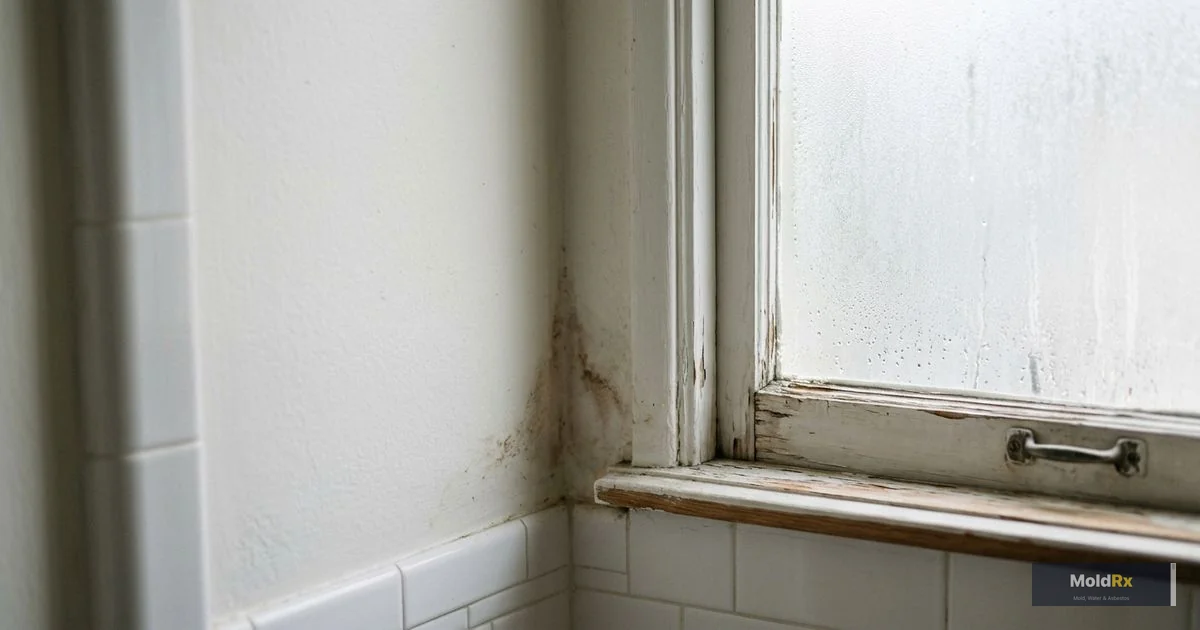
The remediation is done. Clearance testing passed. The plastic sheeting is down, the air scrubbers are gone, and your home is quiet again — but it doesn't look or feel normal yet. You're probably staring at exposed framing where drywall used to be, smelling residual antimicrobial treatment in the air, and wondering how long it takes before everything feels like home again.
The short answer: your home will feel normal within 2 to 6 weeks after remediation, depending on the scope of reconstruction needed. Air quality typically normalizes within 24 to 72 hours. Residual odors fade within a few days. Reconstruction takes one to three weeks for most projects. And the monitoring period — where you're watching for any signs of recurrence — runs about 6 to 12 months before you can fully relax.
This guide covers the full recovery timeline, from what to do the day the crew leaves through long-term prevention, so you know exactly what's normal, what's concerning, and when to call for help. (If you haven't had remediation yet, start with our guide on how to prepare for mold remediation.)
Clearance Testing: What It Means (and What It Doesn't)
Clearance testing confirms that mold spore levels in the remediated area are comparable to or lower than unaffected areas of your home and outdoor air. An independent party — not the remediation company — collects air and surface samples, sends them to an accredited laboratory, and compares the results.
What clearance means: the contamination has been effectively removed, the air is clean, and it's safe to proceed with reconstruction. What it does not mean: that mold will never appear in your home again. Mold spores exist in every indoor environment. Clearance verifies that abnormal contamination has been eliminated — long-term prevention depends on moisture control.
If you didn't receive clearance testing results, ask. It's standard practice and critical documentation for insurance claims and real estate transactions. Learn more about the full process in our guide on what happens during mold remediation.
The First 72 Hours: Immediate Post-Remediation
The first few days after the crew leaves are a transition period. Your home isn't back to normal yet, but the contamination is gone and you're moving in the right direction.
Air Quality Normalizes Quickly
This is the question most homeowners ask first: when will the air be safe again?
The answer is encouraging. Air scrubbers with HEPA filters have been running continuously throughout the remediation process — cycling the air in the containment area multiple times per hour, capturing particles down to 0.3 microns. By the time clearance testing passes, the air in the work area is already clean. Within 24 to 72 hours of containment removal, air throughout the rest of your home normalizes as well.
What to do: Open windows in the remediated area and adjacent rooms for several hours each day during the first two or three days. This accelerates the clearing of residual construction dust and antimicrobial treatment odors. If weather doesn't allow open windows, run your HVAC system with fresh filters to circulate and filter the air.
Residual Odors Are Normal
You may notice two distinct smells after remediation: a chemical odor from antimicrobial treatments, and a general construction smell from exposed framing and subfloor.
The antimicrobial odor typically fades within 24 to 48 hours with good ventilation. Some products have a stronger initial scent that dissipates rapidly once the treated surfaces dry completely. This smell is not harmful — it's simply the treatment off-gassing as it cures.
The construction smell — raw wood, exposed concrete, drywall dust — lingers until reconstruction is complete. This is normal and expected. You're essentially looking at the inside of your walls, and it smells like it.
What is not normal: a persistent musty odor that smells like the original mold problem. If the musty smell returns or never fully goes away after 72 hours of ventilation, contact your remediation company. This could indicate residual contamination that wasn't captured by clearance testing, or — more commonly — a separate area of mold growth that wasn't part of the original scope.
Replace Your HVAC Filters Before Restarting the System
This is easy to overlook and important not to skip. Before you turn your HVAC system back on, install new filters. Any spores that entered the return vents before the system was shut down are sitting in the old filters. Running the system on old filters recirculates those captured spores back into your freshly cleaned air.
If your HVAC ductwork was part of the remediation scope, the company should have addressed it during the process. In most cases, new filters and normal system operation are sufficient for everything else.
Reconstruction and Repair: Putting Your Home Back Together
Professional mold remediation often involves removing contaminated building materials — drywall, insulation, flooring, trim, sometimes cabinetry. Reconstruction is the process of replacing those materials and returning your home to its pre-loss condition. This is typically the longest phase of recovery and the one that affects your daily life the most.
Timeline for Reconstruction
The reconstruction timeline depends on the scope of material removal.
Small projects — a single wall section, a small bathroom, a contained area — typically take 3 to 7 days for reconstruction. Drywall goes up, gets taped and mudded, dries, gets sanded, primed, and painted. Insulation is replaced behind the new drywall. Trim and fixtures are reinstalled.
Medium projects — multiple rooms, significant flooring replacement, cabinetry — take 1 to 3 weeks. These involve more trades (flooring installers, cabinet makers, painters) and more drying time between stages.
Large projects — extensive remediation involving structural elements, HVAC components, or full-room rebuilds — can take 3 to 6 weeks or longer. These are the exception, but they happen, particularly after major water damage events.
Who Handles Reconstruction?
Some remediation companies handle reconstruction in-house. Others focus exclusively on remediation and leave rebuilding to general contractors. Either approach works — but make sure reconstruction doesn't begin until clearance testing confirms successful remediation. You don't want to close up walls that still have issues.
If your remediation is covered by homeowner's insurance, reconstruction is typically covered as well. Keep all documentation: scope of work, clearance results, reconstruction invoices, and photos of work in progress.
Weeks 1-4: The Adjustment Period
Once reconstruction is underway or complete, you're in the adjustment period — getting used to your home again and starting the monitoring habits that prevent recurrence.
When Things Feel Normal Again
Most homeowners report their home feeling "back to normal" within 2 to 4 weeks after reconstruction is complete. New drywall, flooring, caulk, and paint all need time to cure and off-gas — these are normal construction smells, unrelated to mold, and they resolve on their own.
Start Your Monitoring Routine
The first month after remediation is the most important monitoring period. Check the remediated area weekly, looking for:
- Dampness or moisture on new surfaces — walls, flooring, ceiling
- Musty odors returning in or near the remediated area
- Discoloration or staining on new drywall or paint
- Condensation on windows, pipes, or cold surfaces in the area
- Soft spots in drywall or flooring that might indicate moisture behind the surface
If the moisture source that caused the original mold growth involved a plumbing repair, verify the repair is holding. Run the water, check for drips, and inspect connections. If it involved the roof or exterior waterproofing, monitor during and after the next rain. Hidden water leaks are one of the most common drivers of recurrence.
Clean Adjacent Areas
Even with excellent containment, fine dust from construction can settle in nearby rooms. Wipe down hard surfaces with a damp cloth and vacuum carpeted areas — preferably with a HEPA-filtered vacuum. This is precautionary, not because the dust is hazardous, but because it's dusty and you'll want it gone.
Months 1-6: Active Monitoring Phase
After the first month of weekly checks, you can shift to monthly monitoring. This is the period where any recurrence from an unresolved moisture issue would become apparent.
Mold growth after professional remediation that passed clearance testing is uncommon. When it does occur, it's almost always because the moisture source wasn't fully resolved — not because the remediation itself failed. Continue watching for the same signs from your weekly checks: musty odors, visible spotting, new moisture, and returning health symptoms. Understanding how fast mold grows after water damage helps you appreciate why addressing new moisture quickly matters.
When to Retest
Routine retesting after successful clearance is generally not necessary if you're not seeing any signs of recurrence. Clearance testing at the end of remediation established that the contamination was resolved. If nothing changes — no new moisture, no new symptoms, no visual signs — additional testing doesn't add value.
You should retest if:
- A musty odor returns in the remediated area
- You discover a new moisture issue in or near the space
- Visible growth appears on any surface
- Health symptoms that improved after remediation begin recurring
- You're selling the property and buyers or their inspectors request updated testing
Professional mold testing in these circumstances gives you objective data rather than guessing. If the results come back clean, you have peace of mind. If they show elevated levels, you've caught a recurrence early — before it becomes a larger problem.
Months 6-12: Transition to Maintenance
By six months post-remediation, you've made it through the highest-risk period. If the area is clean, dry, and symptom-free, shift from active monitoring to normal home maintenance. Incorporate the remediated area into your regular routine — no flashlight inspections needed, just normal attention to moisture, leaks, and ventilation.
Long-Term Prevention: Keeping Mold From Coming Back
Successful remediation removed the existing contamination. Long-term prevention is about making sure the conditions that allowed mold to grow don't return. Understanding why mold keeps coming back gives you a significant advantage in preventing recurrence.
Humidity Control
Indoor relative humidity should stay between 30% and 50%. Above 60%, conditions become favorable for mold growth. A digital hygrometer (under $15 at any hardware store) lets you monitor humidity in problem-prone areas. Dehumidifiers are worth the investment in naturally humid spaces — basements, crawl spaces, laundry rooms, and bathrooms without exterior ventilation.
Ventilation
Bathroom exhaust fans should vent to the exterior (not into the attic) and run during showers and for at least 30 minutes afterward. Kitchen range hoods should be used during cooking. Crawl spaces benefit from proper vapor barriers and, in many cases, encapsulation to control ground moisture.
Maintenance Habits
Small habits prevent big problems:
- Fix leaks immediately. A dripping faucet or slow pipe leak that seems minor creates exactly the conditions mold needs. Don't wait.
- Inspect caulk and weatherproofing annually. Deteriorated caulk around tubs, showers, windows, and exterior penetrations is a common moisture entry point. Recaulk when it cracks, shrinks, or pulls away.
- Clean gutters and verify drainage. Water pooling near your foundation or backing up under eaves creates moisture pathways into wall cavities.
- Keep furniture slightly away from exterior walls. Air circulation between furniture and walls prevents condensation pockets where mold thrives.
- Address condensation on windows and pipes. Condensation means humidity is too high or the surface is too cold. Insulating cold water pipes and improving insulation around windows reduces condensation.
Emotional Recovery: It's Normal to Be Anxious
Post-remediation anxiety is completely normal. You've been through a stressful experience — discovering contamination, watching walls get torn out, worrying about health effects, and spending money you hadn't planned on. It would be strange if you weren't anxious.
What's Actually Fine (Even Though It Feels Concerning)
A faint chemical smell for a few days — that's the antimicrobial treatment curing. It's safe and temporary.
Dust in nearby rooms — normal construction aftermath. Wipe it down and move on.
Slight humidity fluctuations — indoor humidity naturally rises and falls with weather, cooking, showering, and HVAC cycles. A brief spike to 55% doesn't mean mold is growing. Sustained humidity above 60% for days is what creates risk.
A small spot of discoloration on a bathroom ceiling — not every spot is mold. Soap residue, mineral deposits from hard water, and normal wear can create marks. If it wipes off easily and doesn't return, it's not mold.
Occasional musty moments — a brief whiff when you open a closet that's been closed, or a fleeting smell after heavy rain, doesn't mean the mold is back. Active mold growth produces a persistent, ongoing odor. A momentary scent that doesn't continue or worsen is not a warning sign.
What's Actually Worth Investigating
A musty smell that persists for more than a few days, particularly if it's strongest in or near the remediated area.
Visible growth — dark spots that are fuzzy, spreading, or returning after you wipe them.
New water stains or dampness on surfaces that were dry after reconstruction.
Health symptoms that track with time spent in the home — congestion, headaches, or respiratory issues that improve when you're away and return when you're home.
If you experience any of these, it doesn't necessarily mean the remediation failed. It may indicate a separate issue or a moisture source that needs attention. Contact your remediation company — a reputable company will investigate without defensiveness.
After successful remediation with passing clearance results, your home is clean. You did the right thing by hiring professionals, and independent testing verified the work. You don't need to live in a state of constant vigilance — basic monitoring, normal maintenance, and reasonable attention to moisture are all that's required going forward.
10 Frequently Asked Questions
How long after mold remediation is it safe to be in the house?
Once clearance testing passes and containment is removed, the space is safe to occupy. Residual odors from antimicrobial treatments may linger for a day or two but are not harmful. If household members have severe respiratory conditions, ventilating for 24 hours before extended occupancy is a reasonable precaution.
Will I still smell mold after remediation?
You should not smell a persistent musty odor after successful remediation. You may smell antimicrobial treatment for 24 to 48 hours and construction materials until reconstruction is complete — both are normal and temporary. If the original musty odor persists beyond 72 hours, contact your remediation company.
How long does reconstruction take after mold remediation?
Three to seven days for small projects (single wall, small bathroom). One to three weeks for medium projects (multiple rooms, flooring, cabinets). Three to six weeks for extensive projects involving structural elements or full-room rebuilds.
Do I need to repaint after mold remediation?
Yes, if drywall was replaced — new drywall needs taping, mudding, sanding, priming, and painting. If existing drywall was cleaned but not removed, it may need a stain-blocking primer and fresh paint. Your remediation company or contractor will advise based on what was done.
Should I get my air ducts cleaned after mold remediation?
If the HVAC was shut down during remediation and containment was properly established, duct cleaning is generally unnecessary — new filters and normal operation are sufficient. If the contamination involved the HVAC system itself, ductwork cleaning should have been part of the remediation scope.
How do I know if mold is coming back after remediation?
Watch for a returning musty odor, visible dark or fuzzy spots on surfaces, new moisture or water stains in the remediated area, and recurring health symptoms that had improved after remediation. Monitor weekly for the first month, then monthly. Contact your remediation company if any of these signs appear.
When should I retest for mold after remediation?
Routine retesting isn't necessary if the area passed clearance and you see no signs of recurrence. Retest if you notice returning musty odors, visible growth, new moisture, or recurring symptoms. Professional mold testing provides objective data that either confirms the space is clean or catches a problem early.
Can mold come back in a different spot after remediation?
Yes, but not because of the remediation. Mold can grow anywhere with sustained moisture and organic material. If a different area develops a leak or humidity issue, new growth can occur regardless of previous remediation. This is why whole-home moisture control matters for long-term prevention.
Is it normal to feel anxious about mold after remediation?
Completely normal. Most homeowners experience heightened awareness of every smell, spot, and moisture event for weeks or months afterward. This vigilance fades as time passes without recurrence. Passing clearance testing means the contamination is resolved — basic monitoring and normal maintenance are all that's needed going forward.
What should I do if I think the mold is coming back?
Contact your remediation company before attempting any cleaning yourself. Describe what you're seeing or smelling and ask them to evaluate. Catching recurrence early keeps the scope and cost small. Mold returning after professional remediation almost always traces to a moisture source that wasn't fully resolved — not a failure of the remediation work.
You've Done the Hard Part
The mold has been professionally removed, the air has been independently verified clean, and the conditions that caused the problem are being addressed. What's left is recovery — letting reconstruction restore your space, establishing simple monitoring habits, and giving yourself time to stop worrying about every spot and smell.
Your home is clean. The data from clearance testing confirms it. Now it's about keeping it that way through basic moisture control and normal maintenance — the same things that prevent most household problems.
If you've recently completed mold remediation in Orange County, Riverside County, or San Bernardino County and have questions about your recovery timeline, reconstruction, or anything that doesn't seem right, call (888) 609-8907. We're here to answer questions after the work is done — not just before. Or request a free estimate online if you're still in the planning stages and want to understand what the full process looks like from start to finish.